
Sri Lanka •Ayubowan ආයුබෝවන් (copie)
FR | ENG
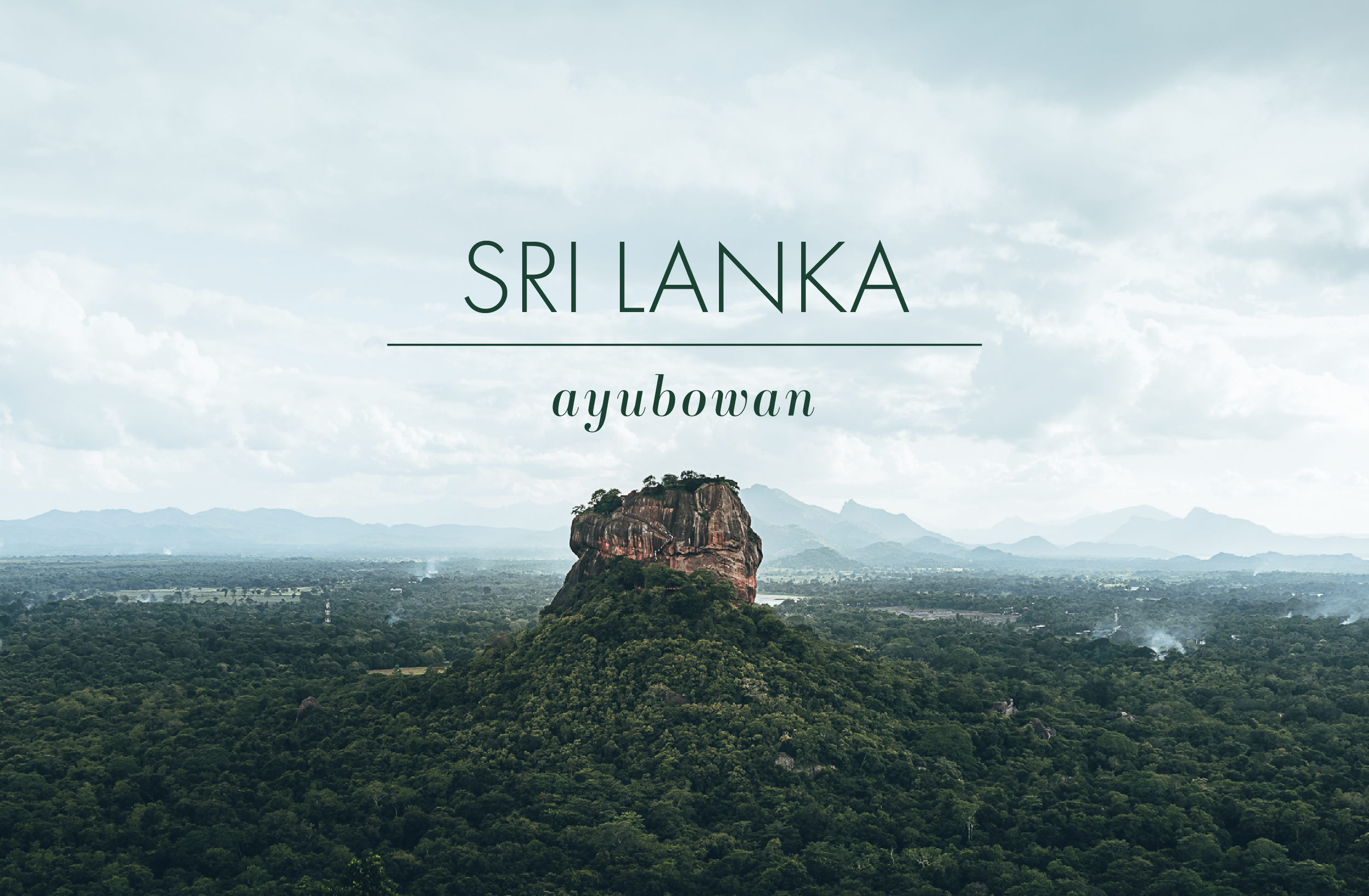
Sri Lanka offered us an intense, generous and memorable trip at the end of November 2025. From the moment we arrived, we were struck by the warm welcome and omnipresent kindness that we had never experienced so strongly on our previous trips. Spontaneous smiles, thoughtful gestures, simple but authentic exchanges. This road trip across the island took us through tea plantations, sacred temples, tropical landscapes, wildlife and palm-fringed beaches. At each stage, there was a new atmosphere, a new light, a new palette of colours.
But as is often the case when travelling, things don't always go exactly as planned. Our last four days were disrupted by Cyclone Ditwah. Although we were always safe, the extreme weather conditions forced us to stay indoors, bringing our exploration to an abrupt end. It was frustrating, of course, but also a reminder of the power of nature and the unpredictability of travel. Despite this abrupt end, Sri Lanka will remain a vibrant and endearing destination for us. It is a country that is as much about experiencing as it is about discovering, and we invite you to explore it with us, step by step, through our words and Marc's images.
Notre roadtrip par étapes
Hunumulla (1 night) - First tropical immersion & gentle journey
Sigiriya (3 nights) - Lion Rock, sacred temples & meeting locals
Doluwa (2 nights) - Peaceful countryside, rice fields & rural pace of life
Hatton (2 nights) - A timeless interlude in the heart of the tea plantations
Uda Walawe (1 night) - Safari, elephants & birds
Galle (1 night) - Colonial history & charm of the south coast
Dodanduwa (2 nights) - Beaches, Indian Ocean & arrival of the cyclone
Ahungalla Point (1 night) - Last refuge facing the ocean
Colombo (1 night) - A contrasting capital city & an eventful end to the trip
→ HUNUMULLA [ 1 night ]
For this first stop in Sri Lanka, we settle into Ambarella Lodge & Spice Garden, a true haven of peace nestled in lush vegetation. Upon our arrival, Louis, who is both Swiss and Sri Lankan, welcomes us with great kindness. It is barely 7 o'clock in the morning, but everything is already ready to receive us.
Without hesitation, he shows us to our room, invites us to rest and simply tells us that breakfast will be waiting for us when we wake up. This rare and much-appreciated attention after a long flight is our first taste of Sri Lankan hospitality, which immediately sets the tone for the trip.
We let ourselves be carried away. A nap, then the afternoon passes quietly, to the rhythm of the tropical garden surrounding the lodge. We stroll through this beautiful green setting, taking the time to relax and observe. At the end of the day, Louis offers us a detailed tour of the spice garden, before concluding with an Ayurvedic massage. The trip begins here, gently, and already we can tell that we are going to love this destination.
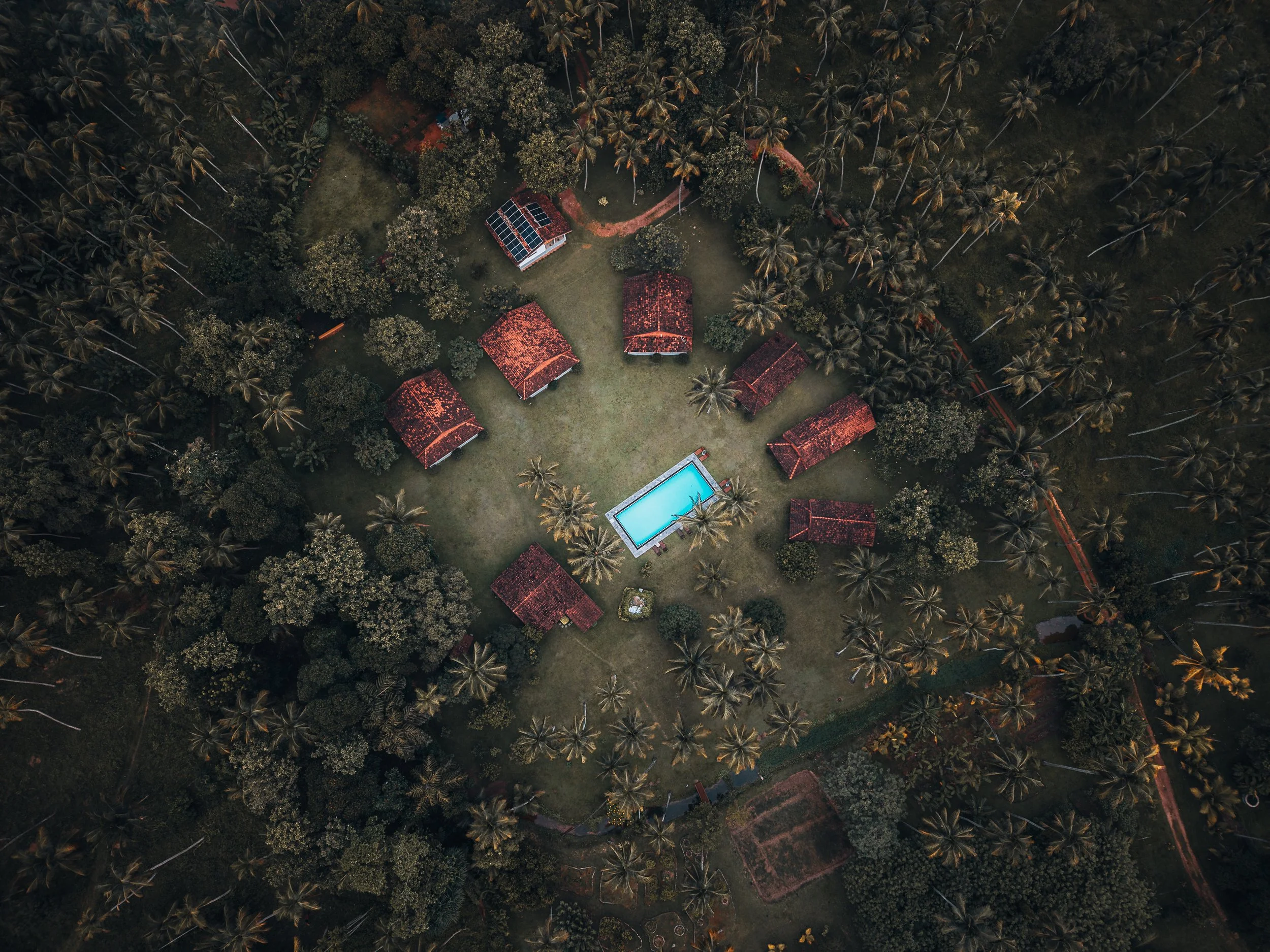
The next morning, we extend this initial immersion with a two-hour tuk-tuk ride, departing directly from Ambarella Lodge. The lodge is located in the heart of what is known as the ‘golden triangle’ of coconut production, a region where this crop shapes daily life.
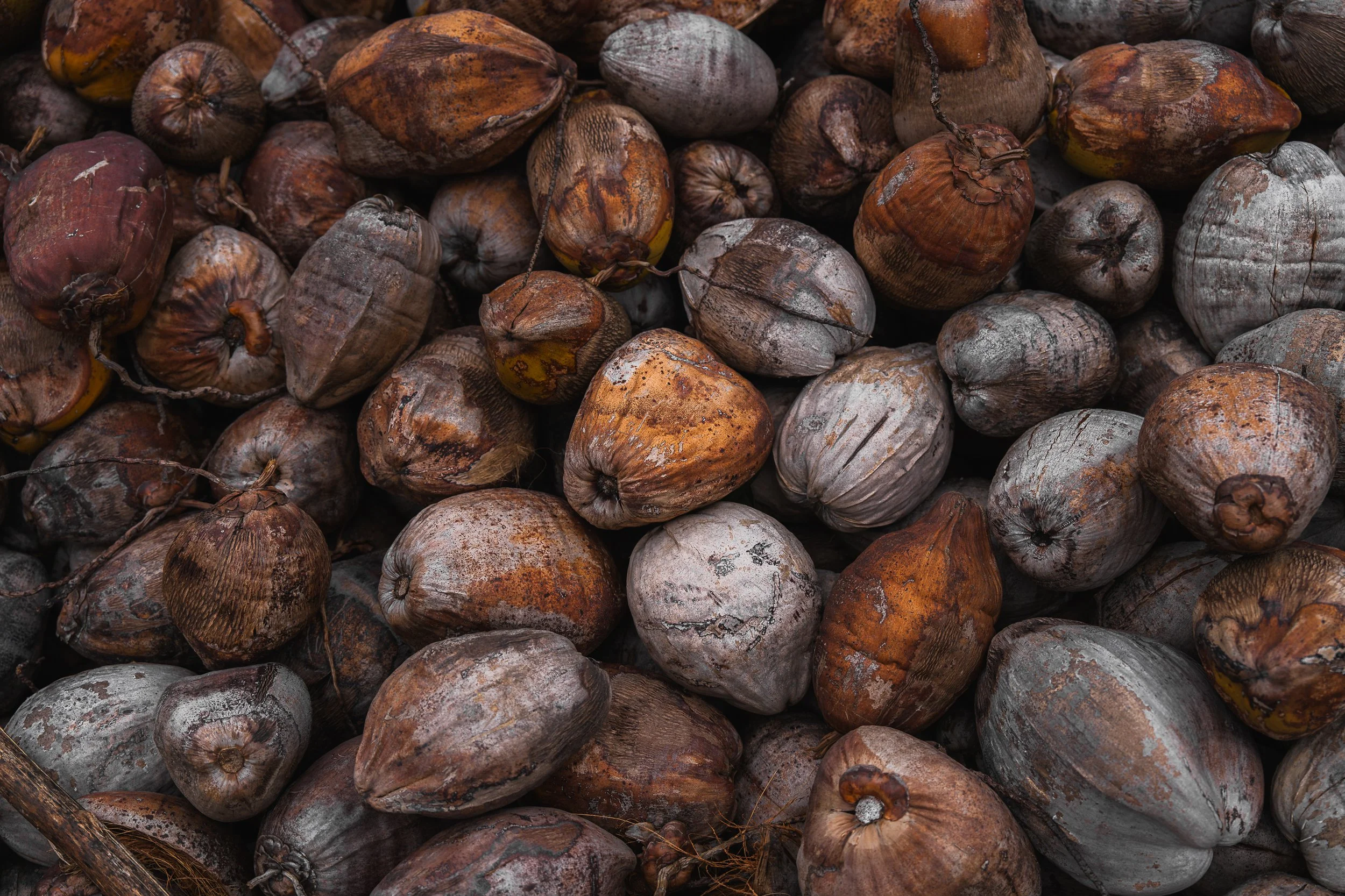
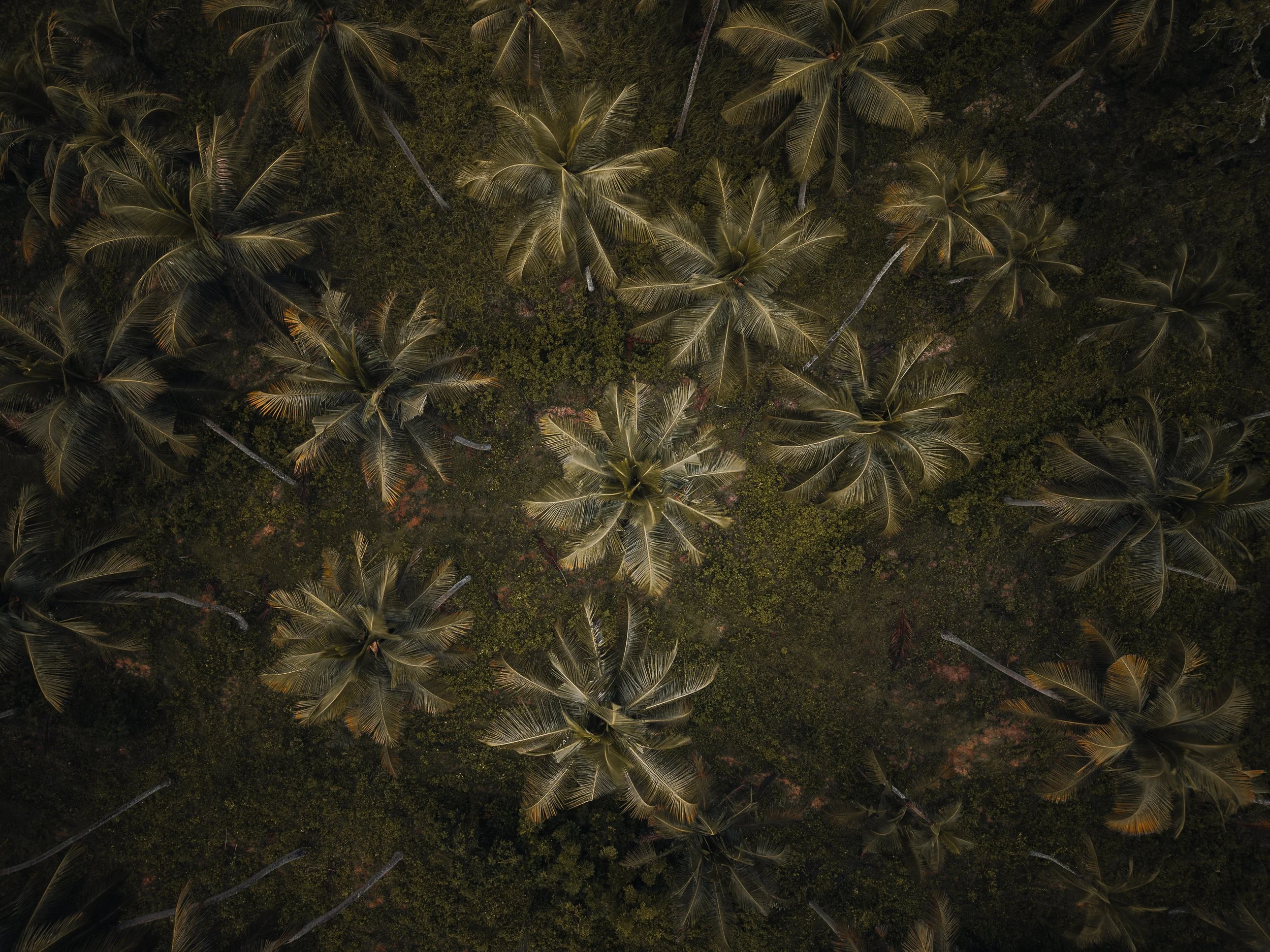
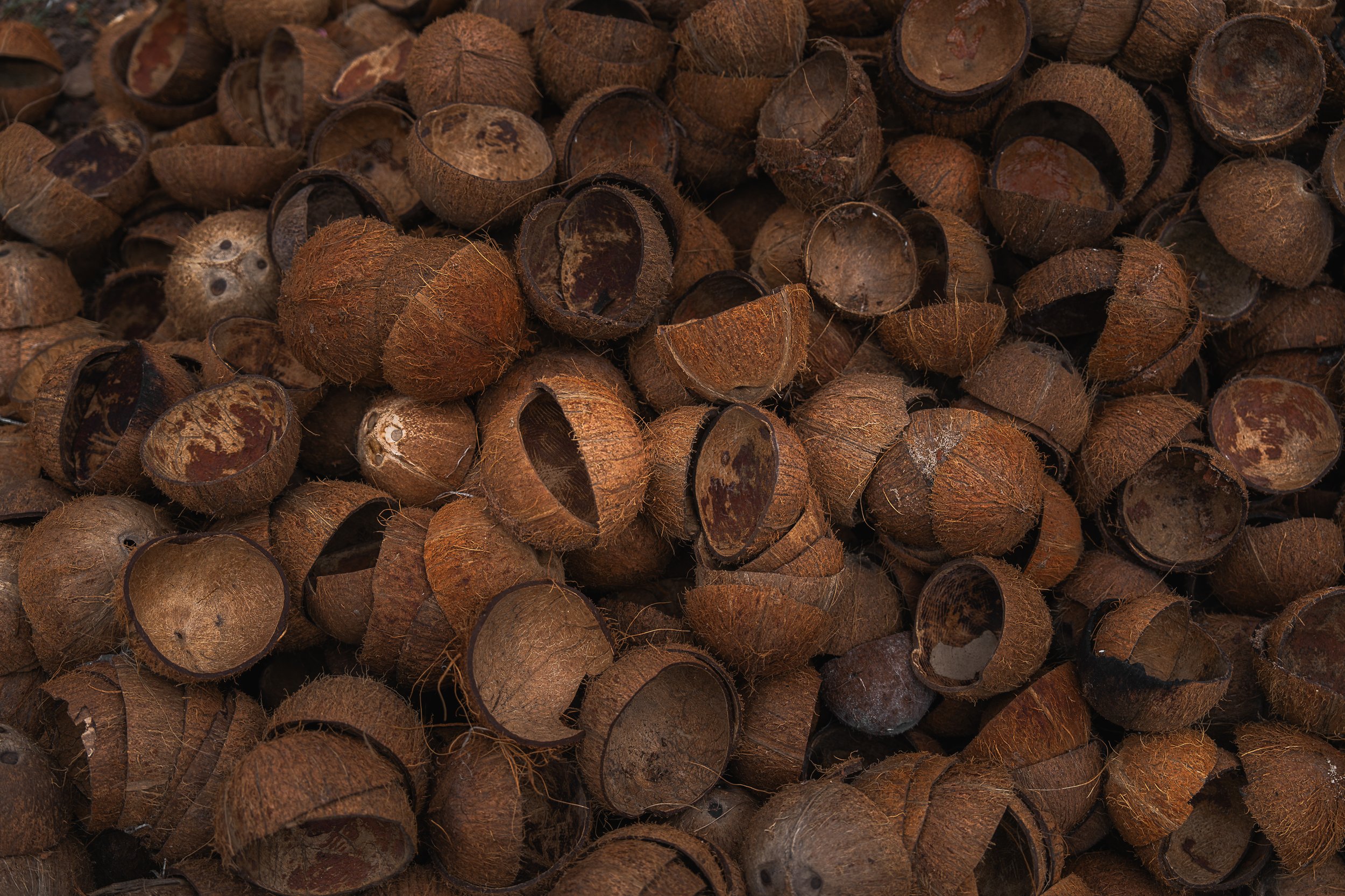
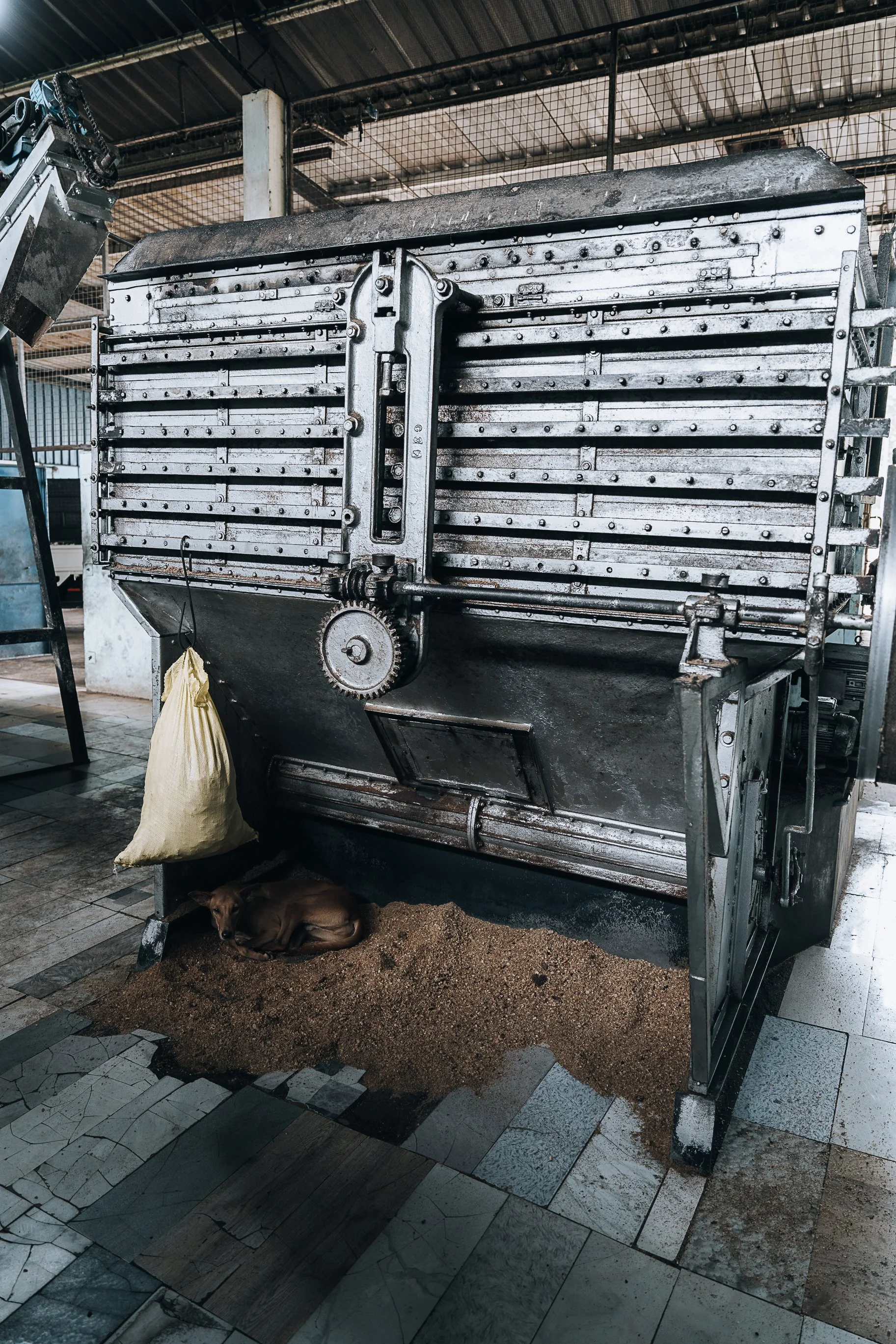
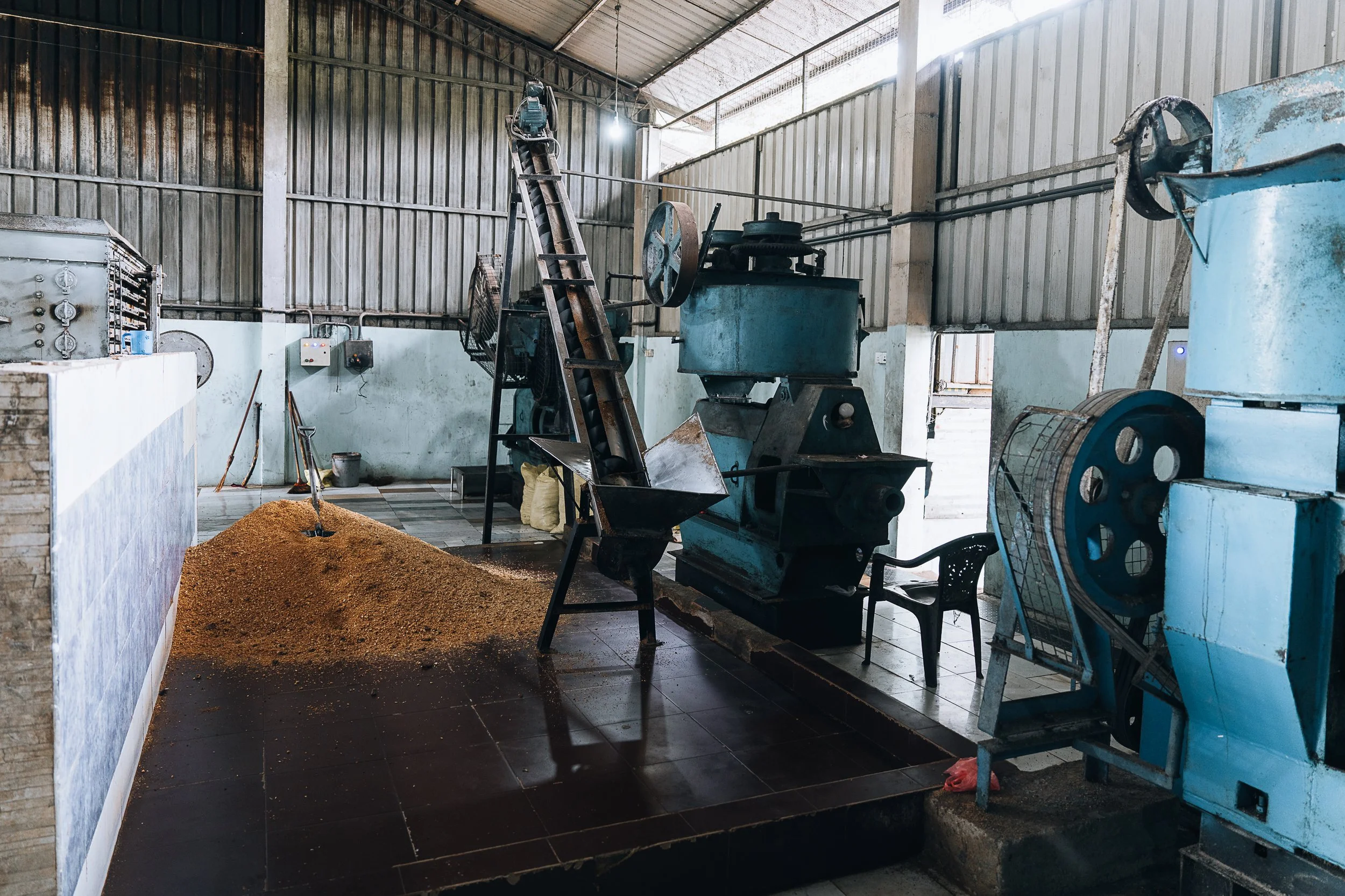
Next, we take small roads lined with coconut trees. Our first stop is at a traditional pottery workshop. Unfortunately, during our visit, we were unable to watch the artisans at work, but the location and the pieces on display still give a good overview of this traditional craft. We then continue on to a small local coconut oil mill, where the methods remain simple and traditional. The smell of fresh coconut fills the air and accompanies us throughout the visit.
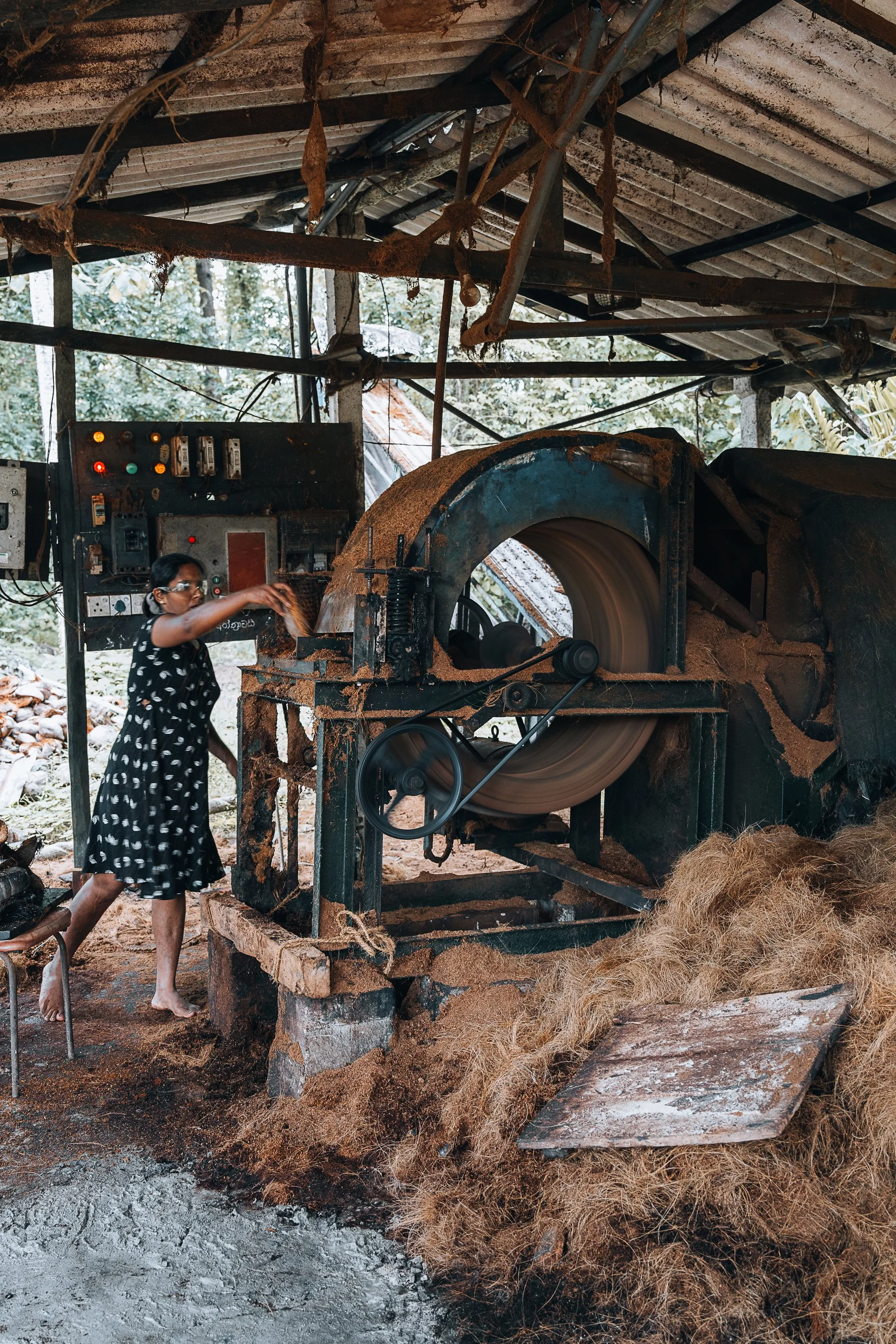
A little further on, it's time for one of our favourite moments: making rope from coconut fibres. Here, everything is explained and, above all, demonstrated. We even got to try it ourselves, learn the techniques, and leave with a lovely ball of rope as a souvenir — a simple and enjoyable moment.
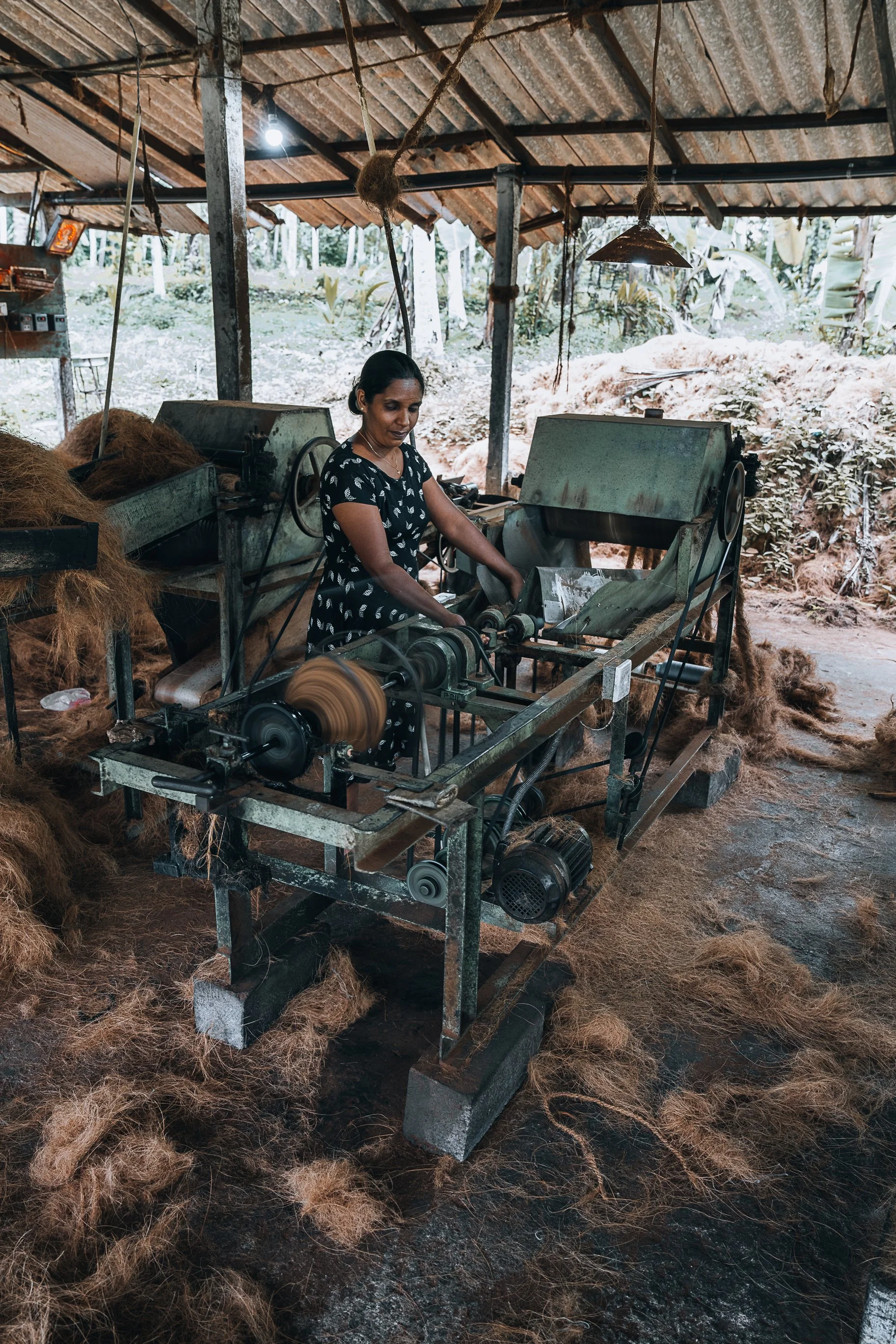
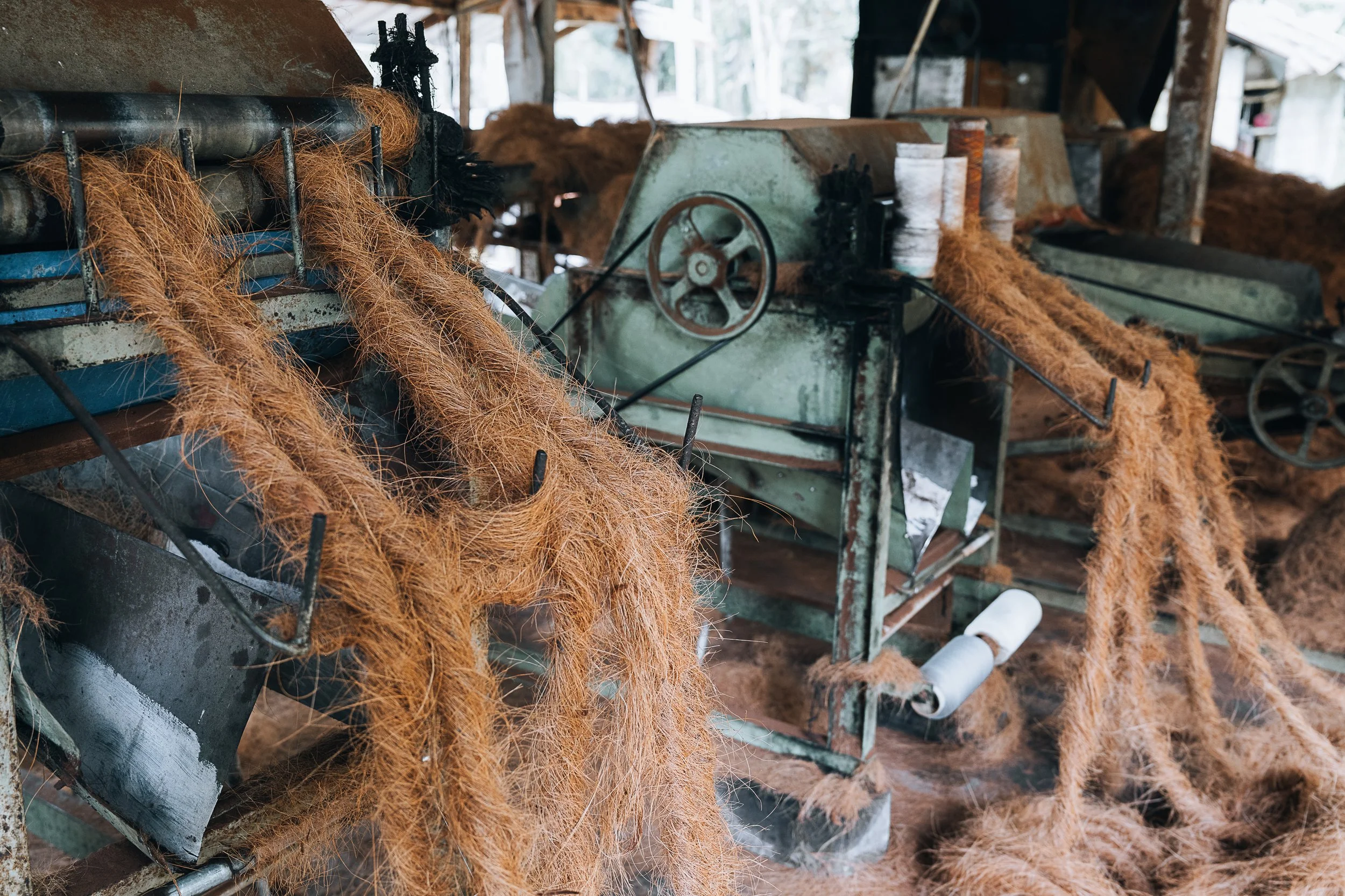

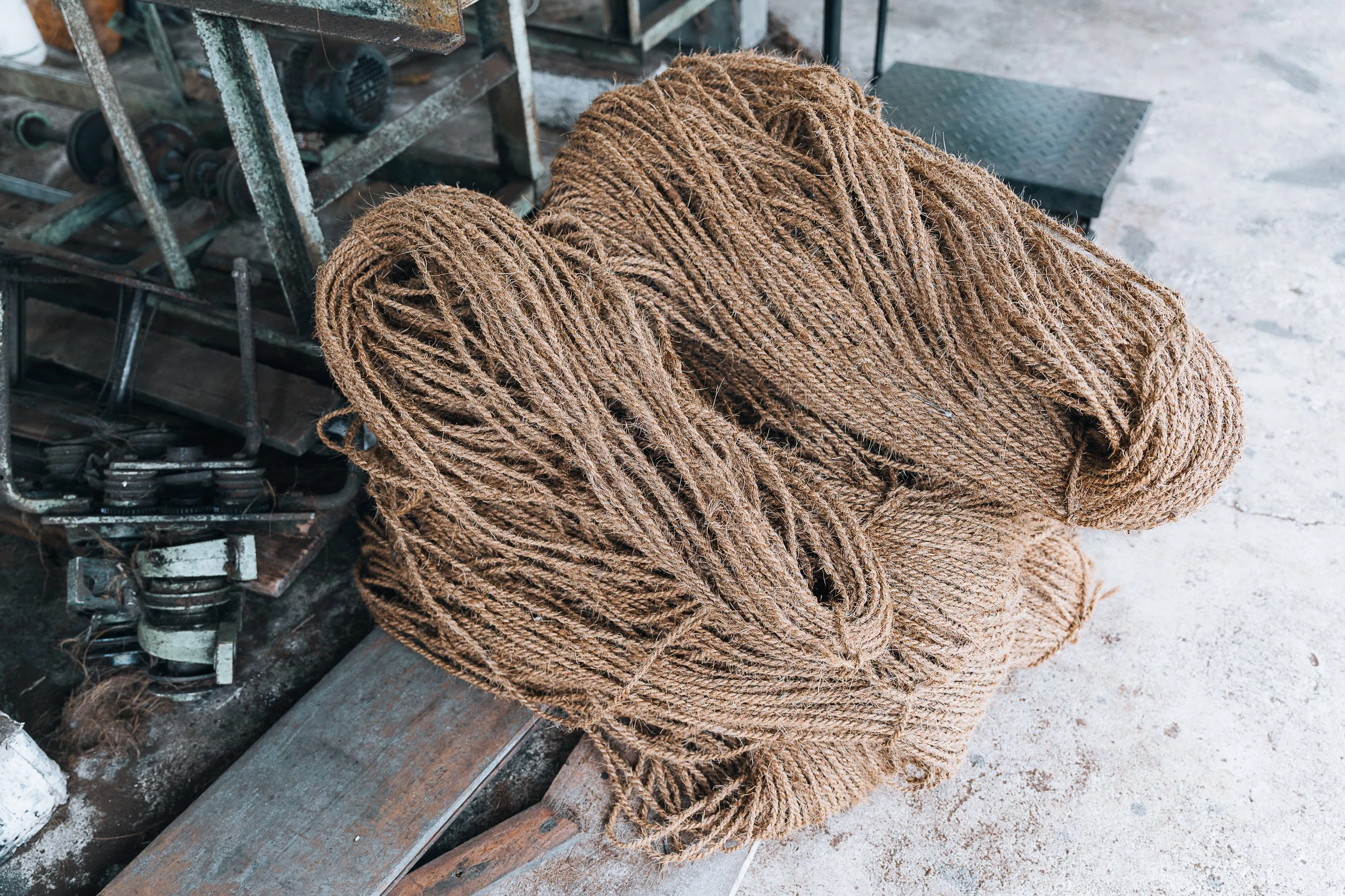
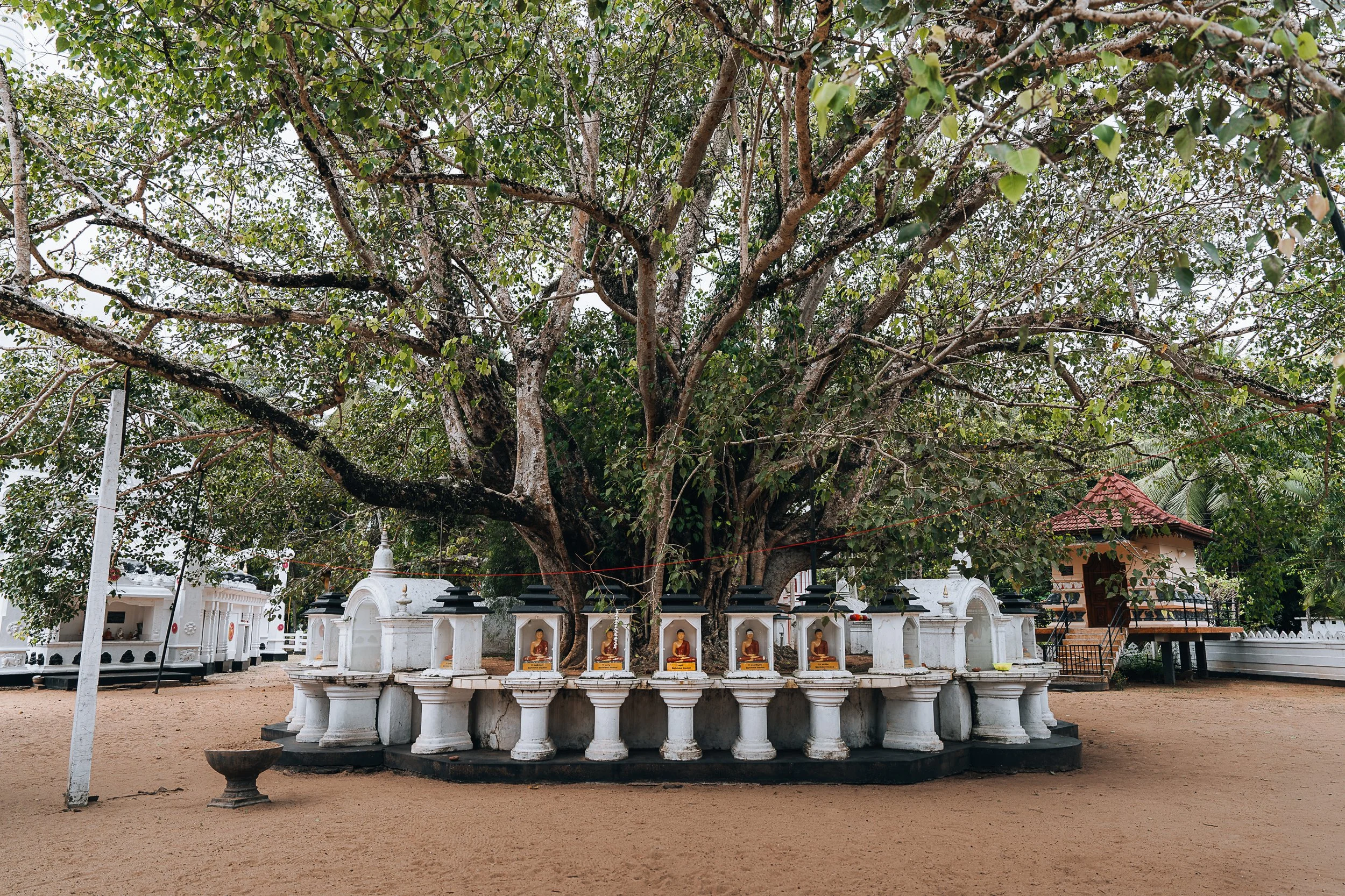
To complete the loop, the tuk-tuk takes us to a Buddhist temple, recognised as one of the most beautiful in the region.
Where to stay | Where to eat in Hunumulla (near the international airport)
Ambarella Lodge & Spice Garden
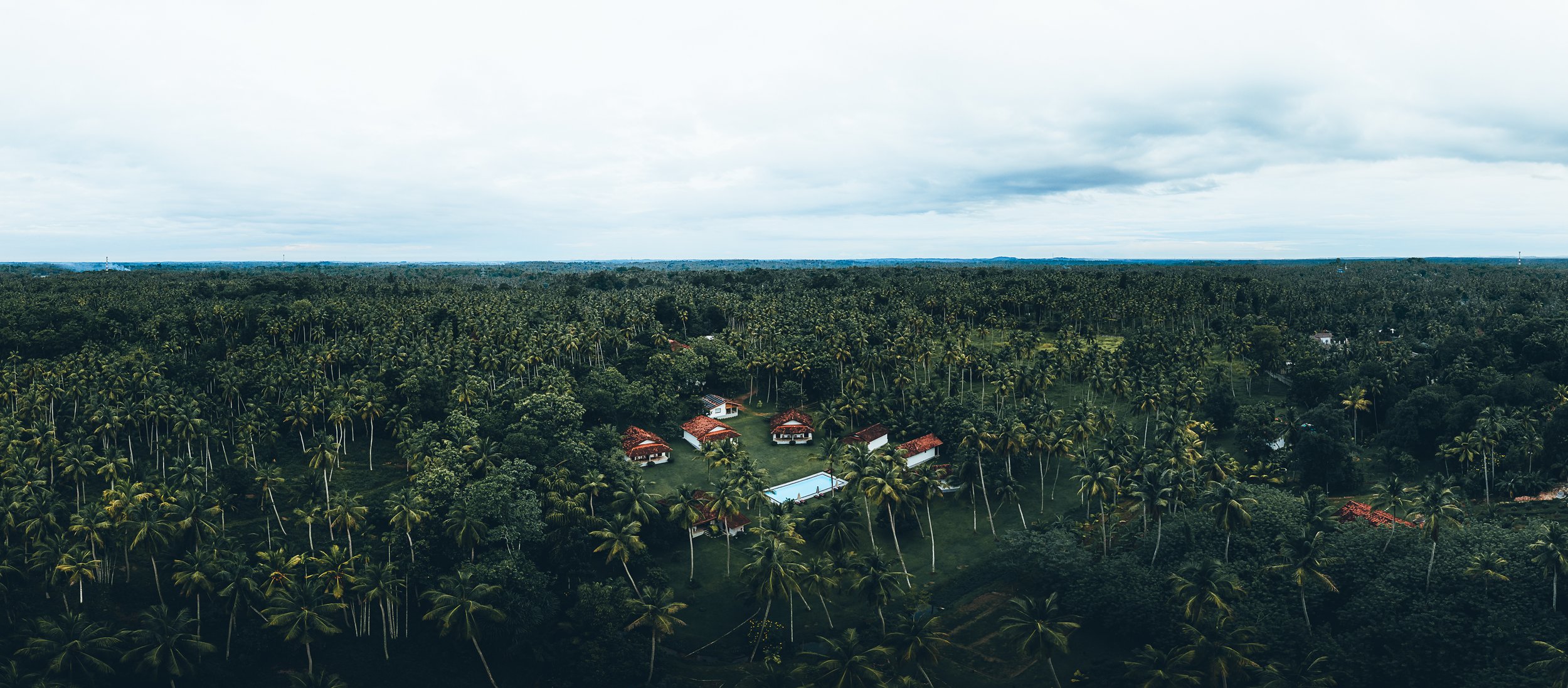
For our first stop in Sri Lanka, just a few kilometres from the airport (a 20-minute drive), we settled into Ambarella Lodge & Spice Garden, a place that immediately set the tone for our trip: authentic and peaceful. Nestled in the heart of nature, in the golden triangle of coconut production, the lodge resembles a large tropical garden more than a traditional hotel.
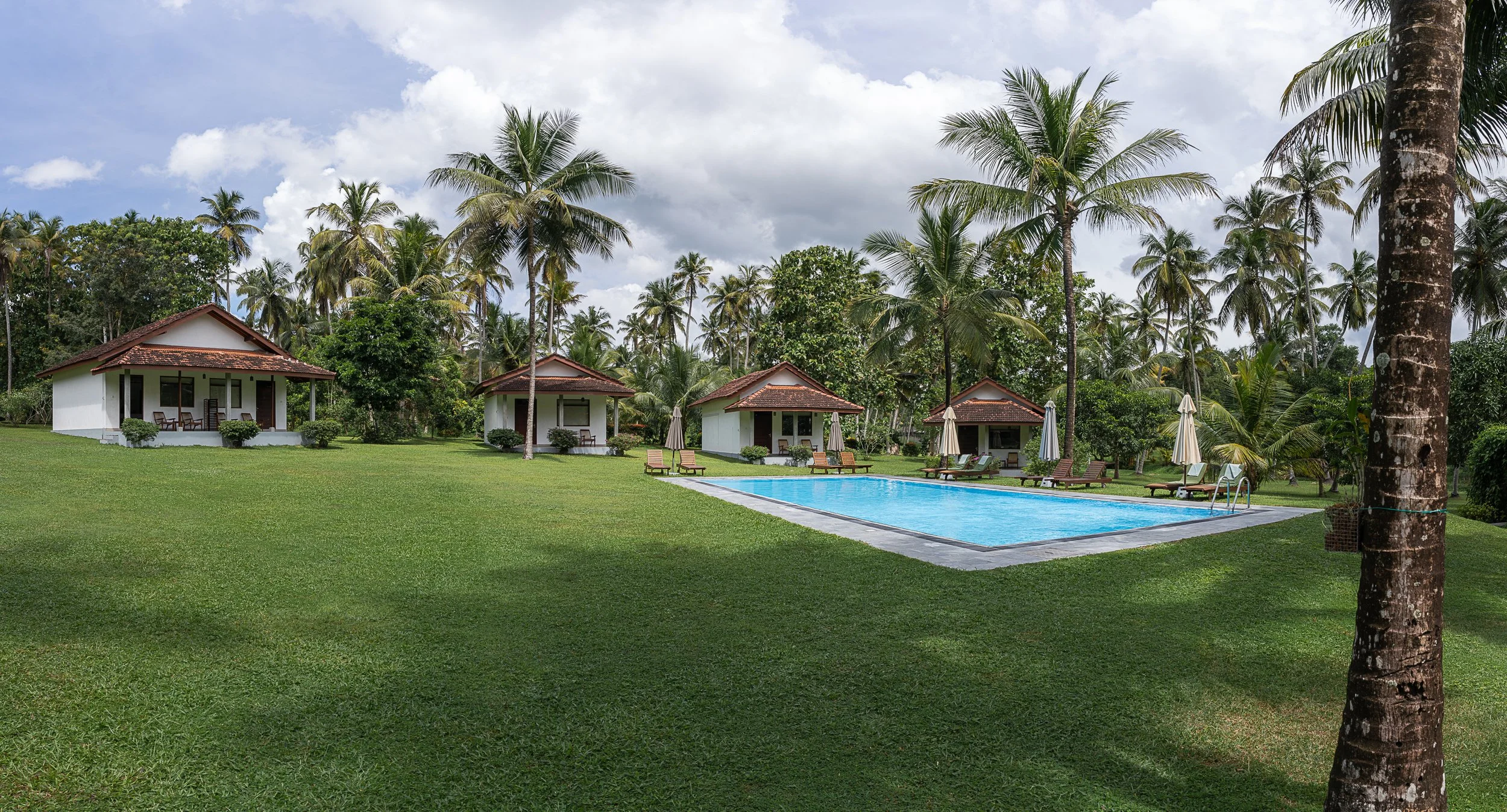
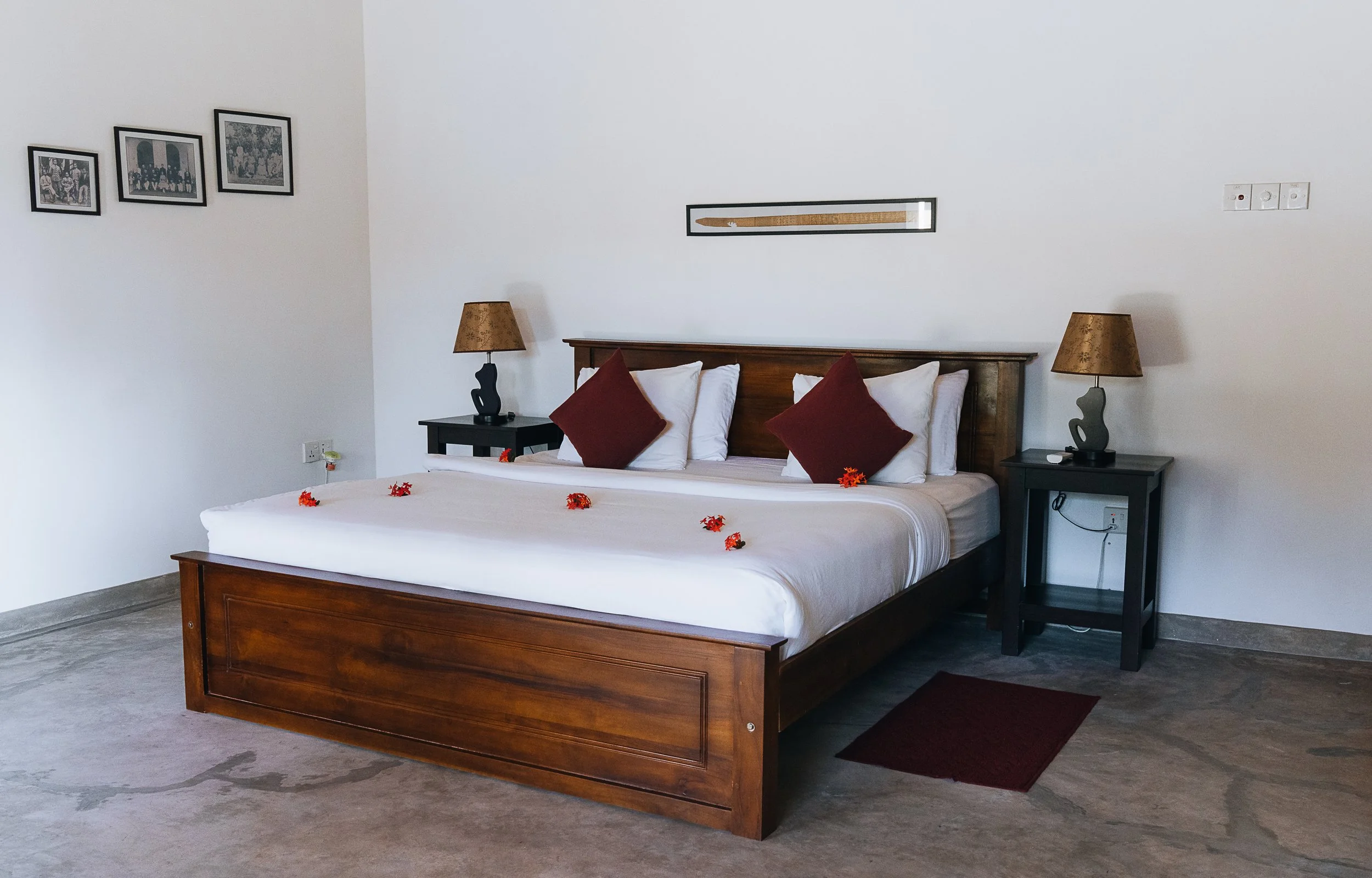
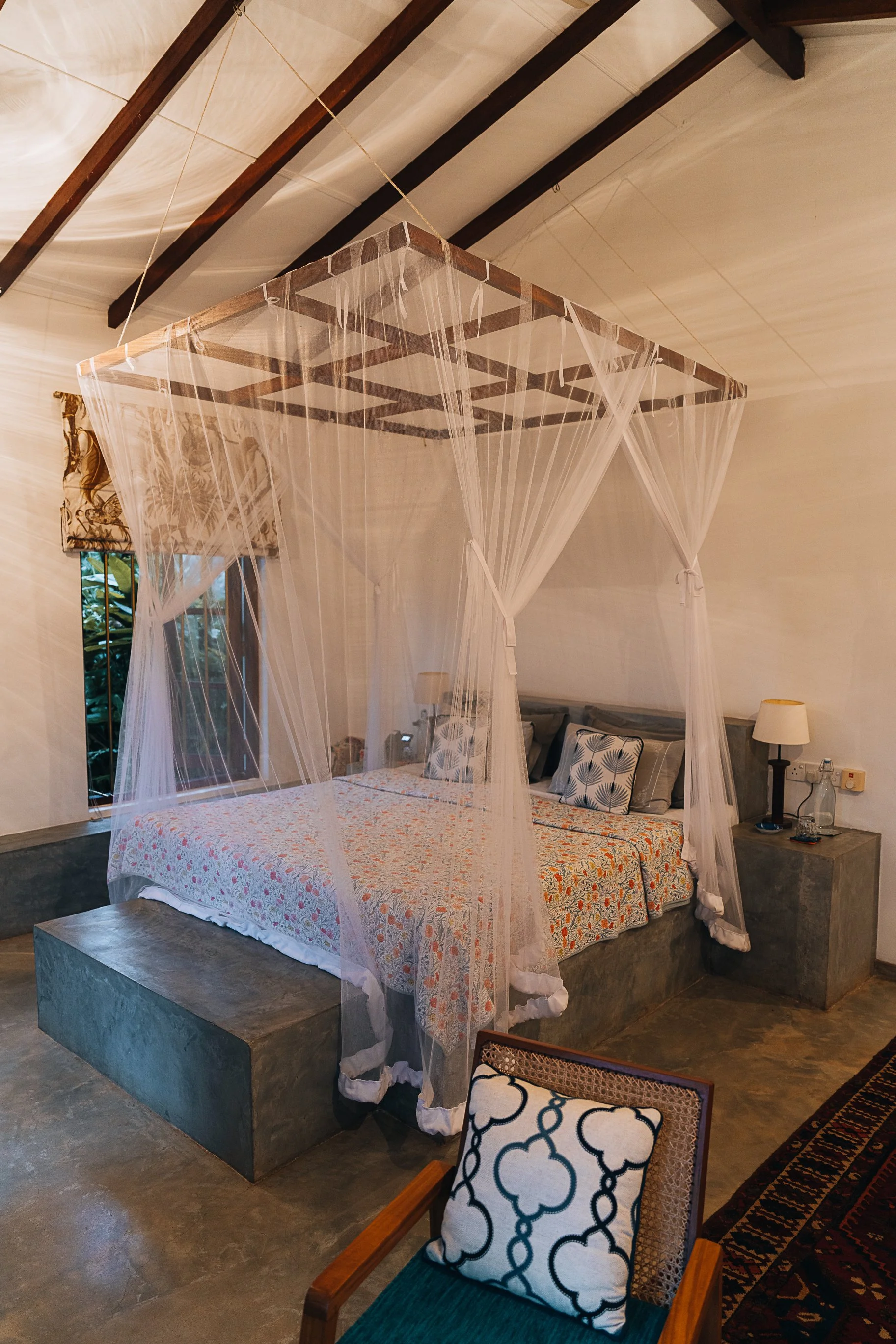
The spacious and tastefully decorated rooms blend perfectly into the natural surroundings, with local touches. Each space invites you to slow down: a small shaded terrace, quiet reading corners...
The lodge also has a spice garden, which you can explore on a guided tour, and a wellness area where you can enjoy Ayurvedic massages to prolong that feeling of relaxation.
At Ambarella Lodge, meals are an integral part of the experience. The cuisine is simple but tasty, based on local produce and spices from the garden. Breakfast is fresh and hearty; dinner is a wonderful introduction to Sri Lankan cuisine: vegetable curry, fragrant rice, kottu and local sweets. Everything is served outdoors under a pergola, surrounded by greenery and tropical birds. It's a lovely way to gently introduce yourself to the flavours of the country.
→ SIGIRIYA [ 3 nights ]
After our tuk-tuk tour around Hunumulla, we meet Lalinda, our driver for the next ten days. With his genuine smile, calm driving style and constant attentiveness, we quickly realise that the miles ahead will be as much about sharing experiences as travelling. We leave the Colombo region and head for the cultural heart of the country.
From the very first kilometres, the road is lively, intense, sometimes chaotic in appearance, but surprisingly fluid. Colourful buses, tuk-tuks, motorbikes loaded with goods, pedestrians, stray dogs... everything coexists in a constant ballet. We drive slowly and honk our horns a lot — not out of annoyance, but to signal our presence.
Dambulla
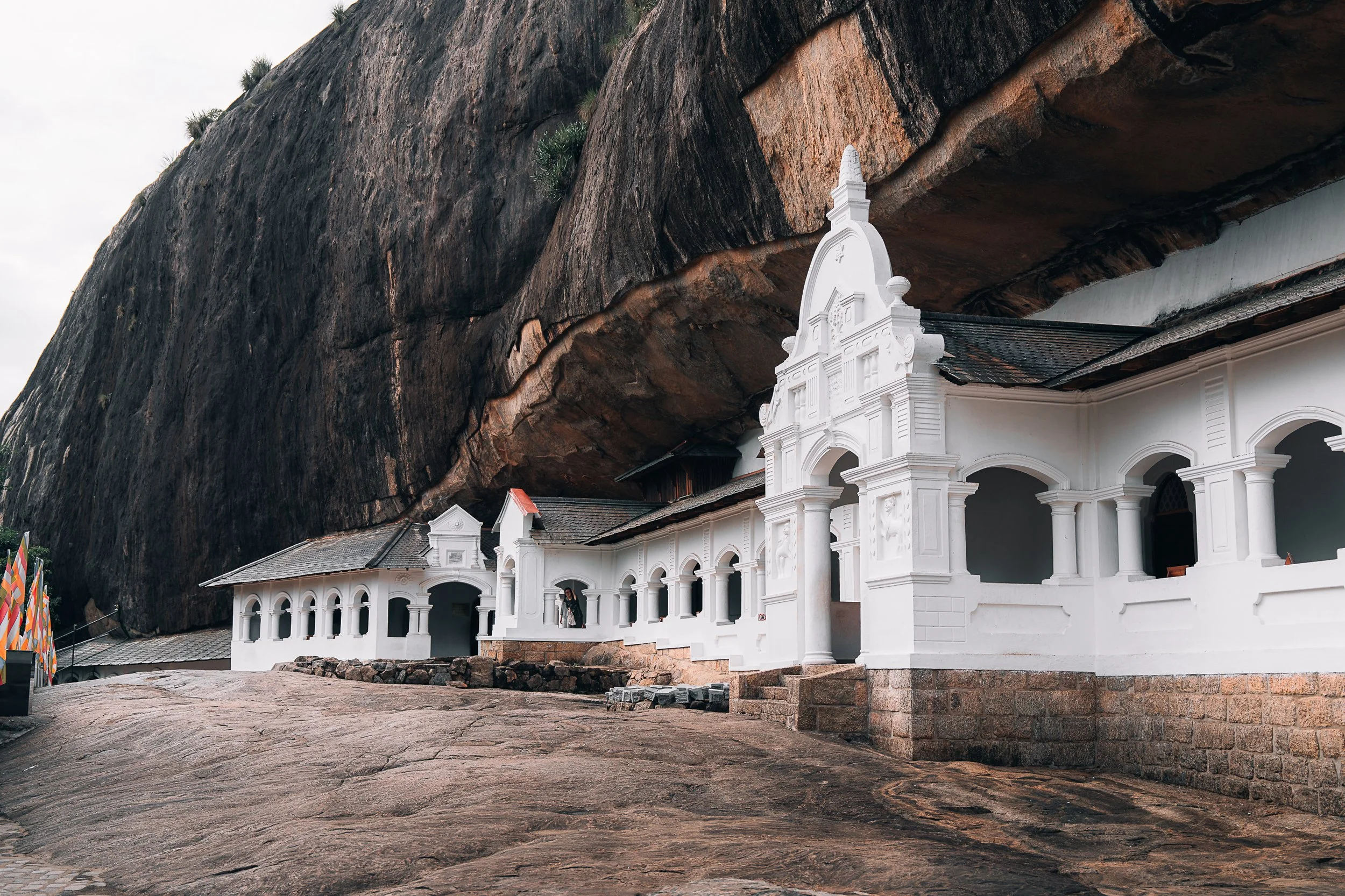
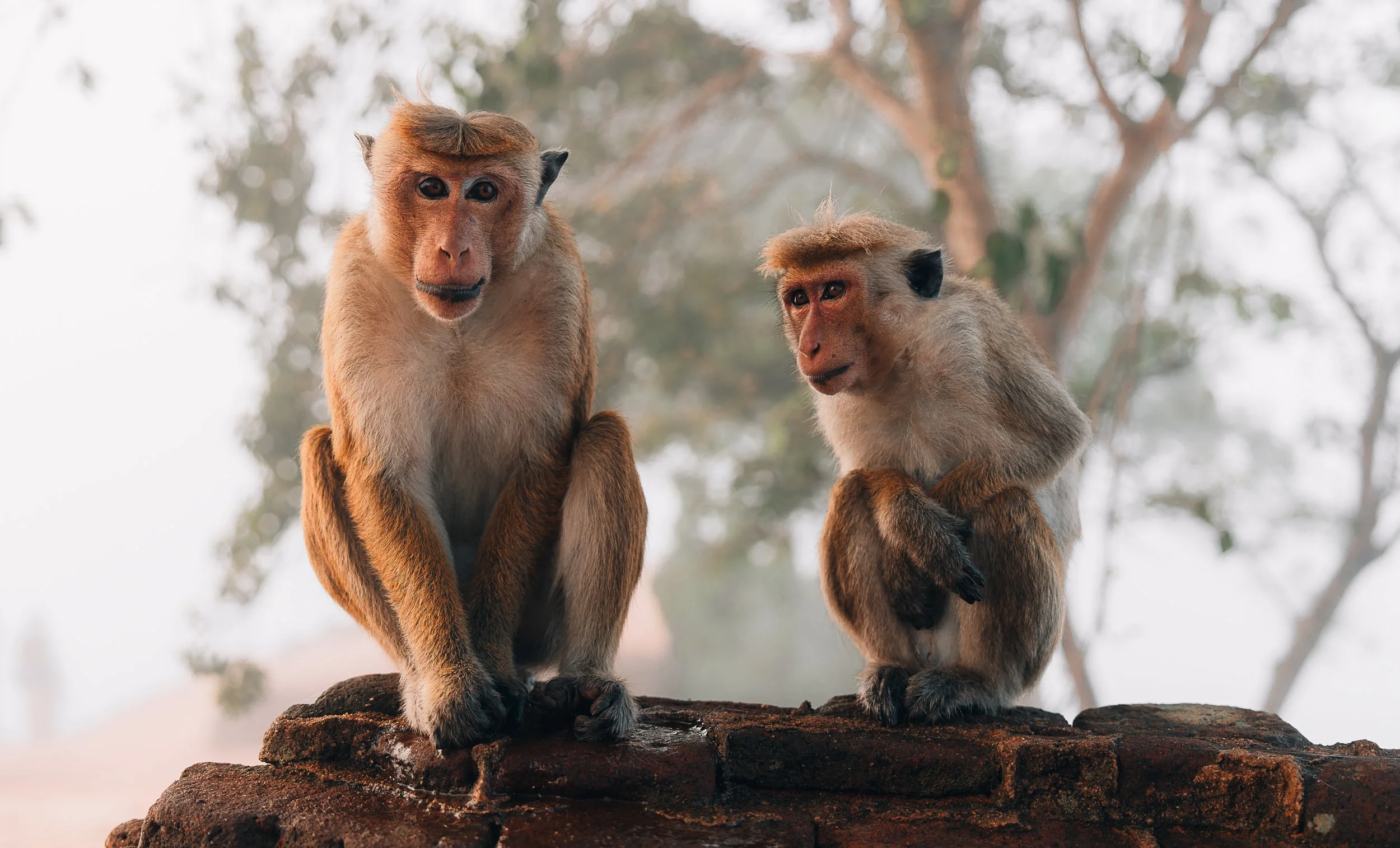
Our first stop is Dambulla, one of Sri Lanka's major cultural sites. Listed as a UNESCO World Heritage Site, the Dambulla Cave Temple consists of five caves carved into the rock, perched on a wooded hill. Inside, more than 150 Buddha statues and colourful frescoes cover the walls and ceilings, recounting centuries of devotion and history. The climb is leisurely, surrounded by curious monkeys and tropical vegetation.
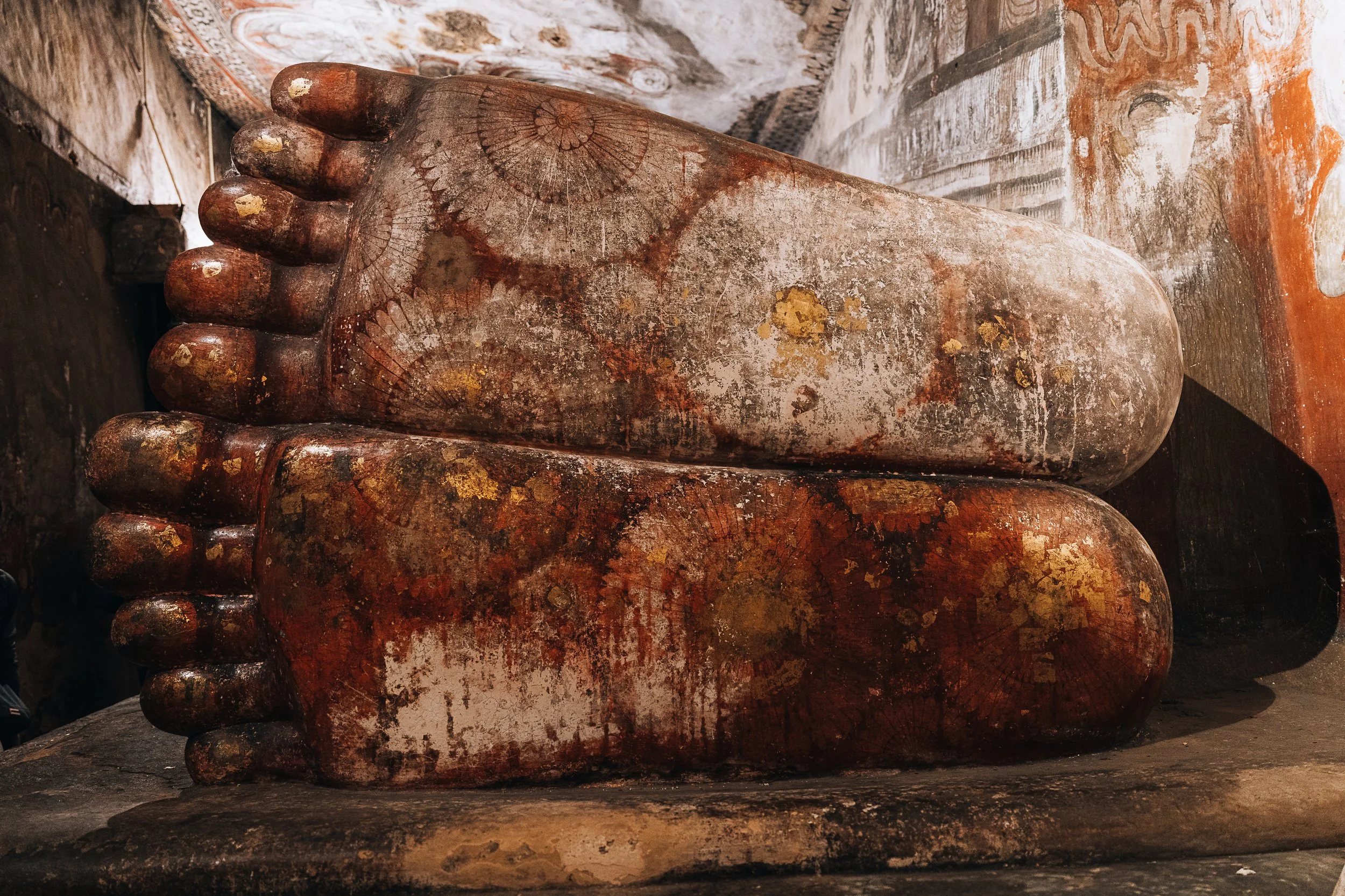
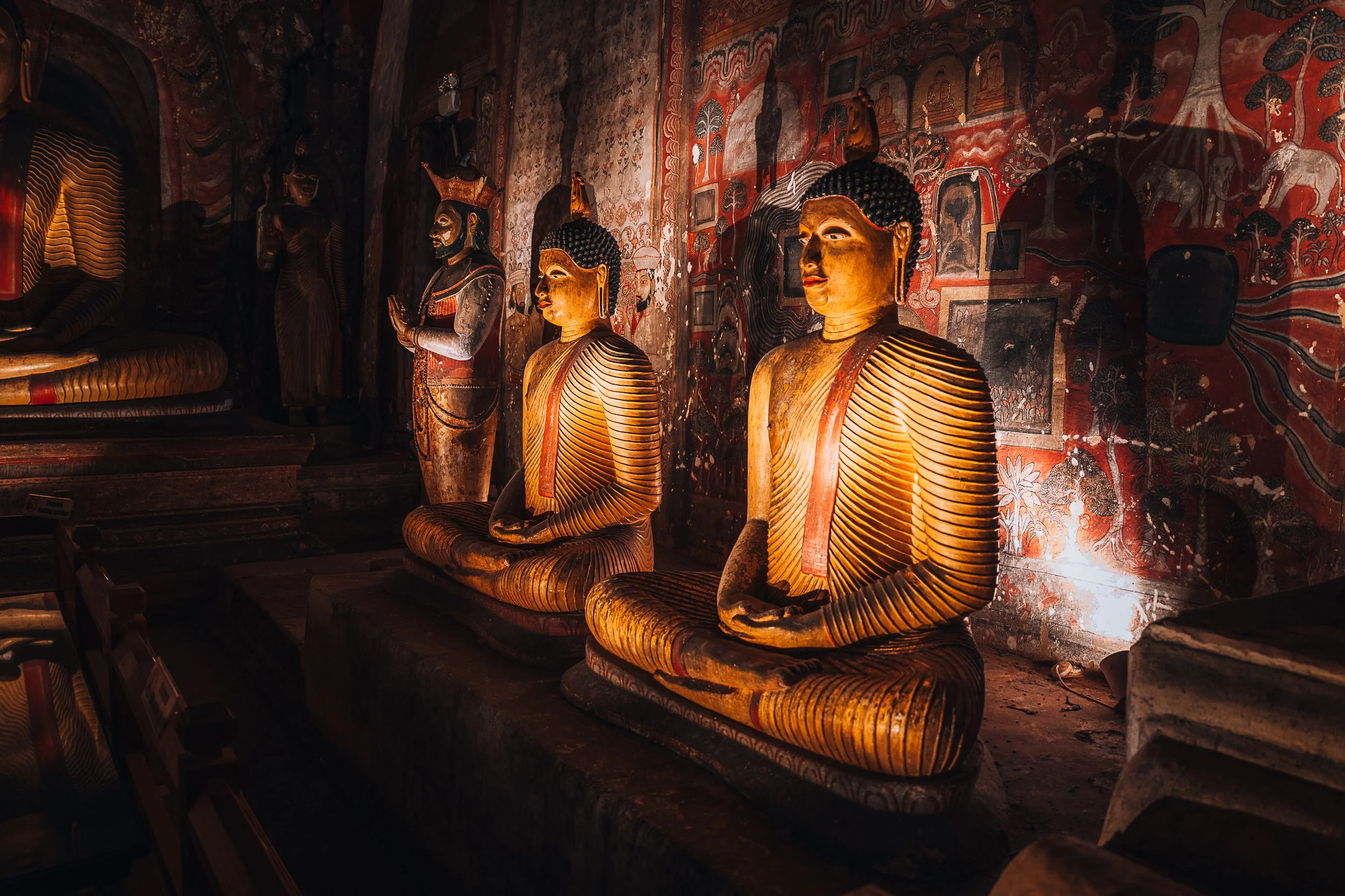
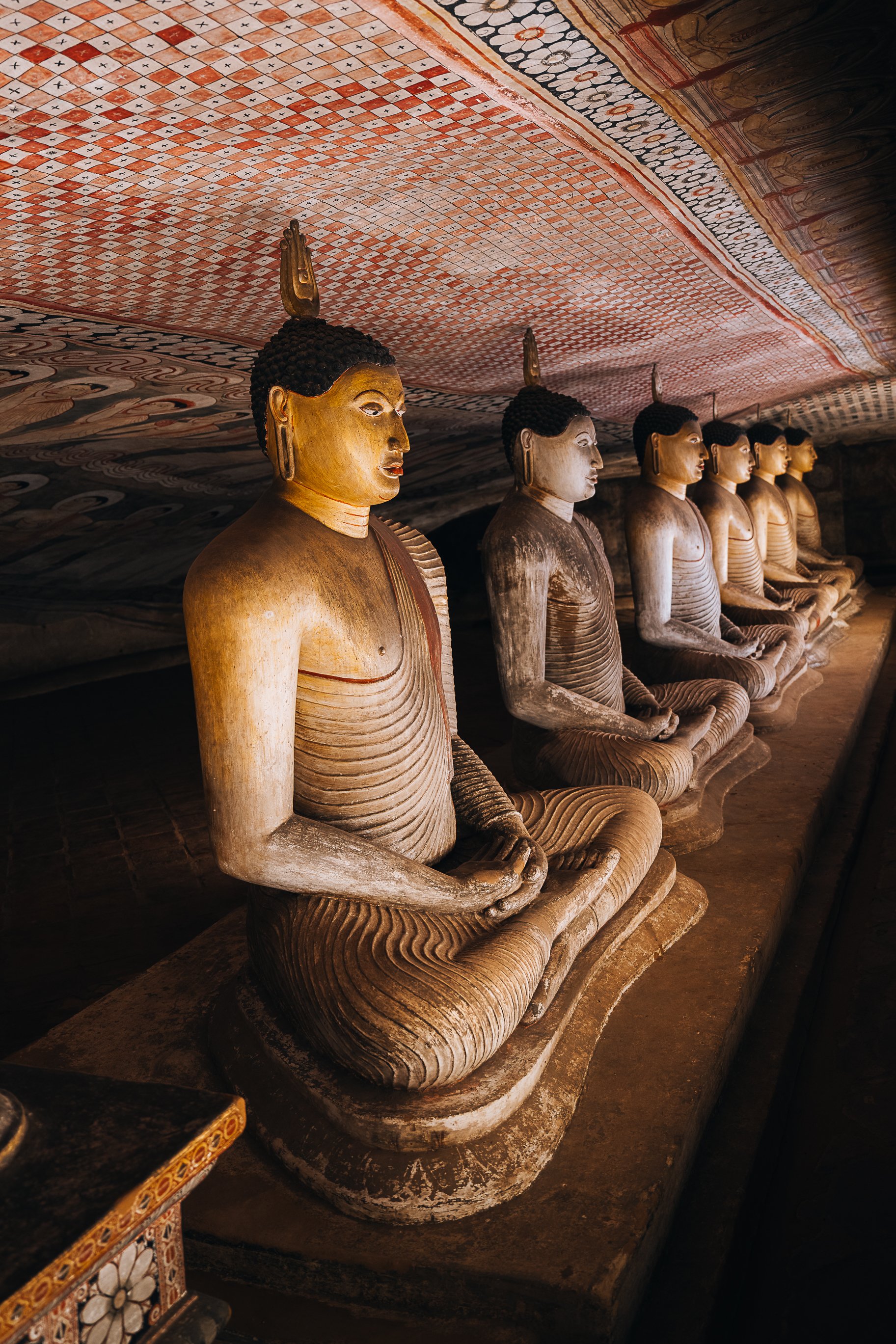
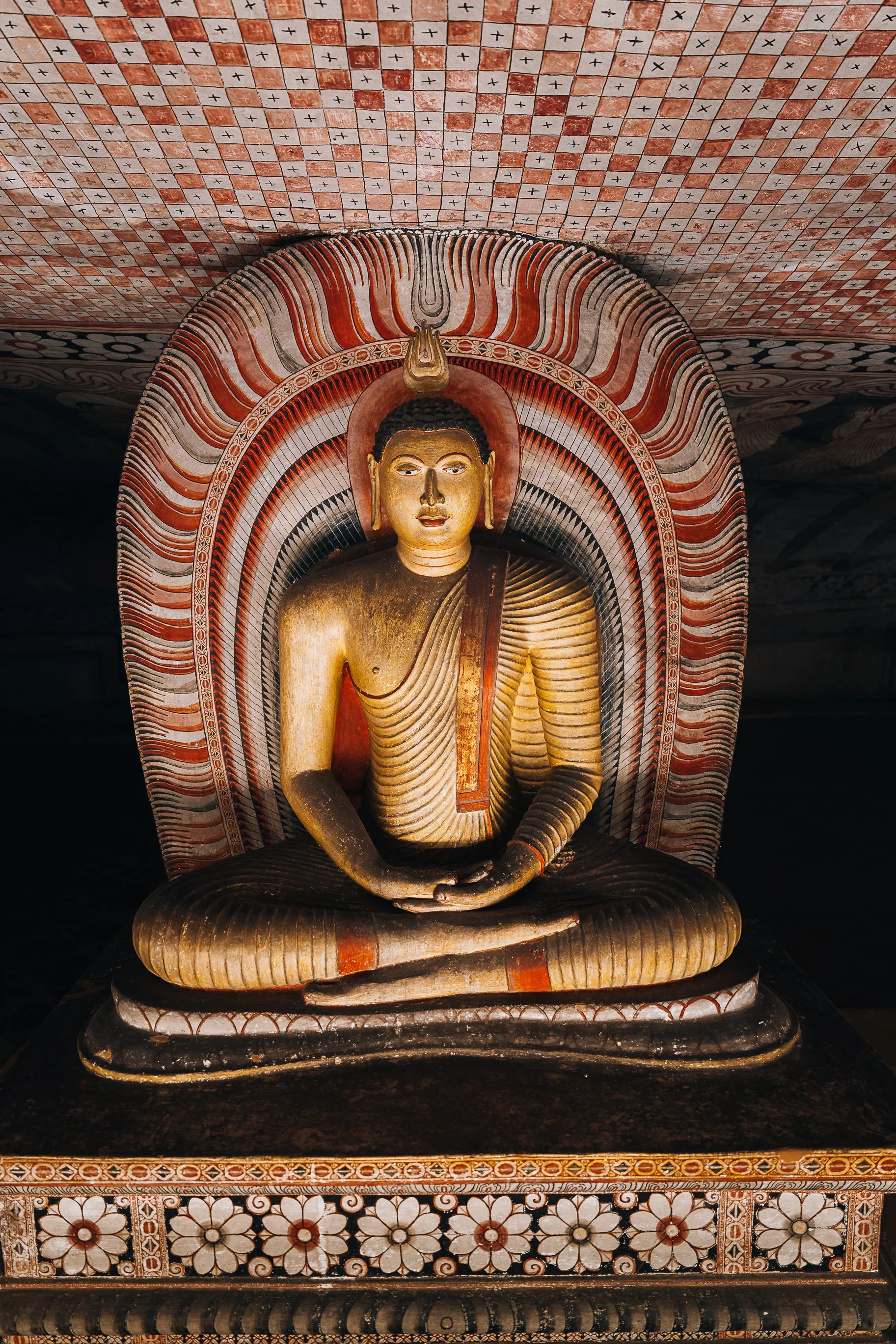
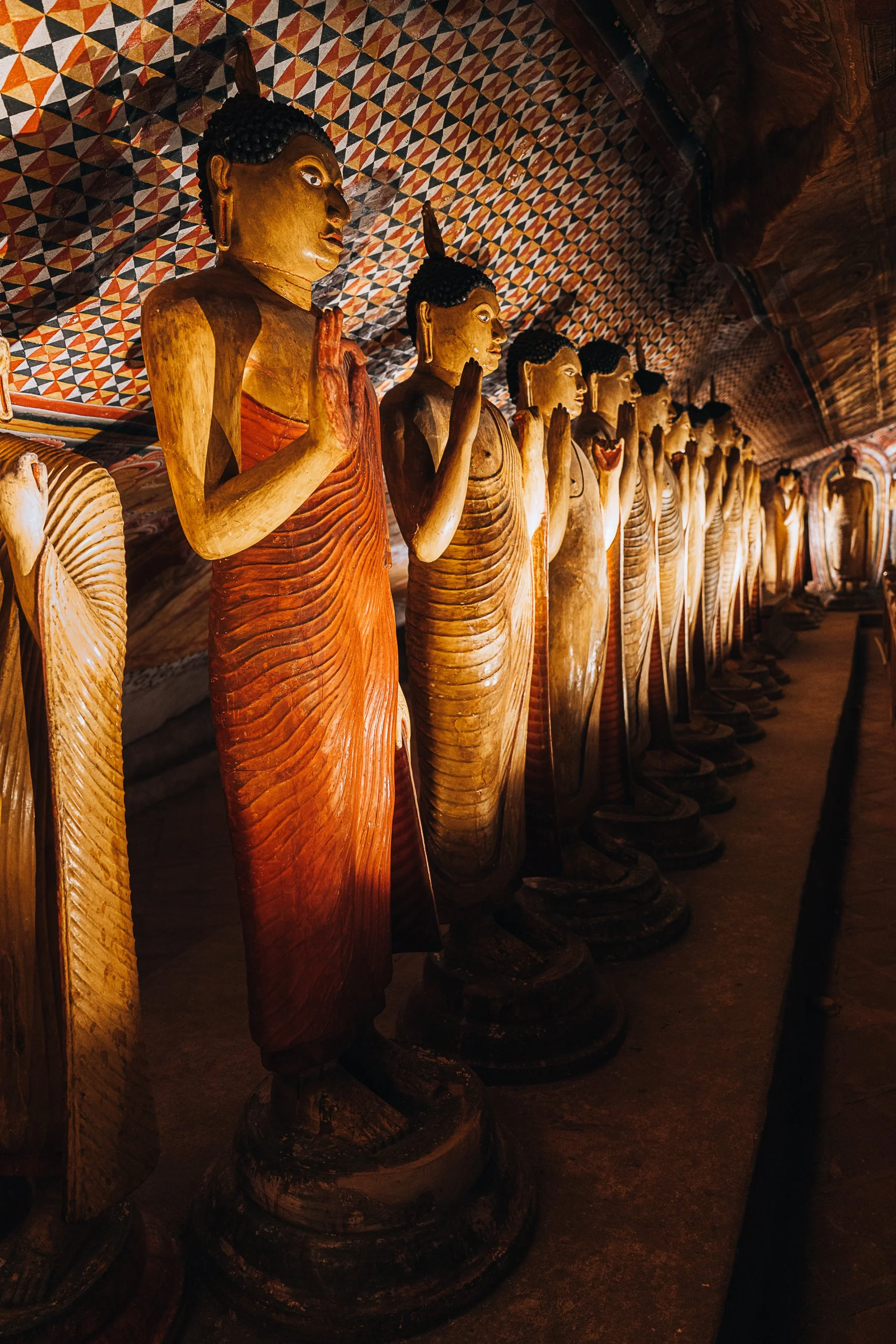
After this initial cultural immersion, we will continue our journey to the Sigiriya region, where we will stay for three nights.
Lion Rock
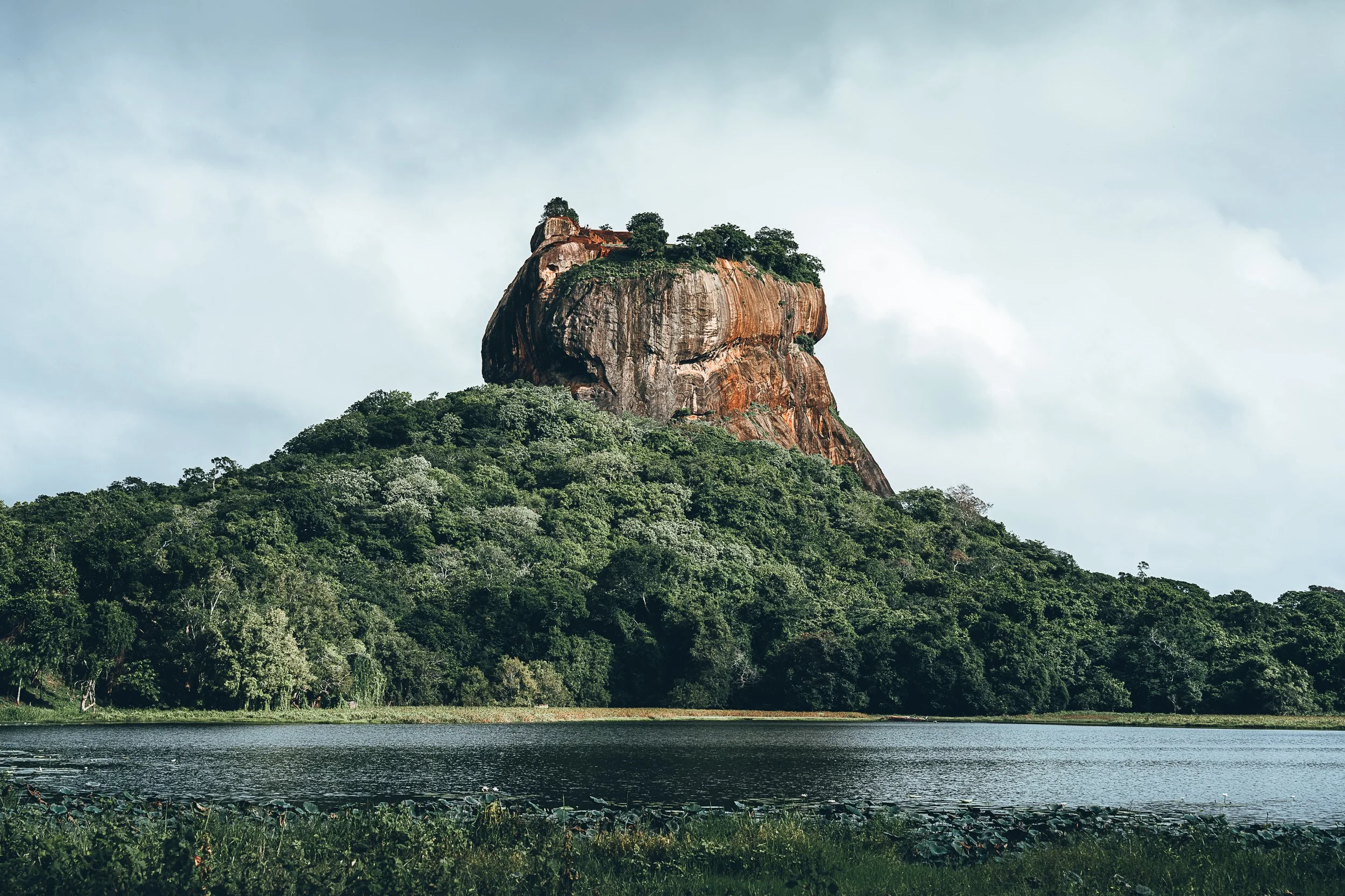
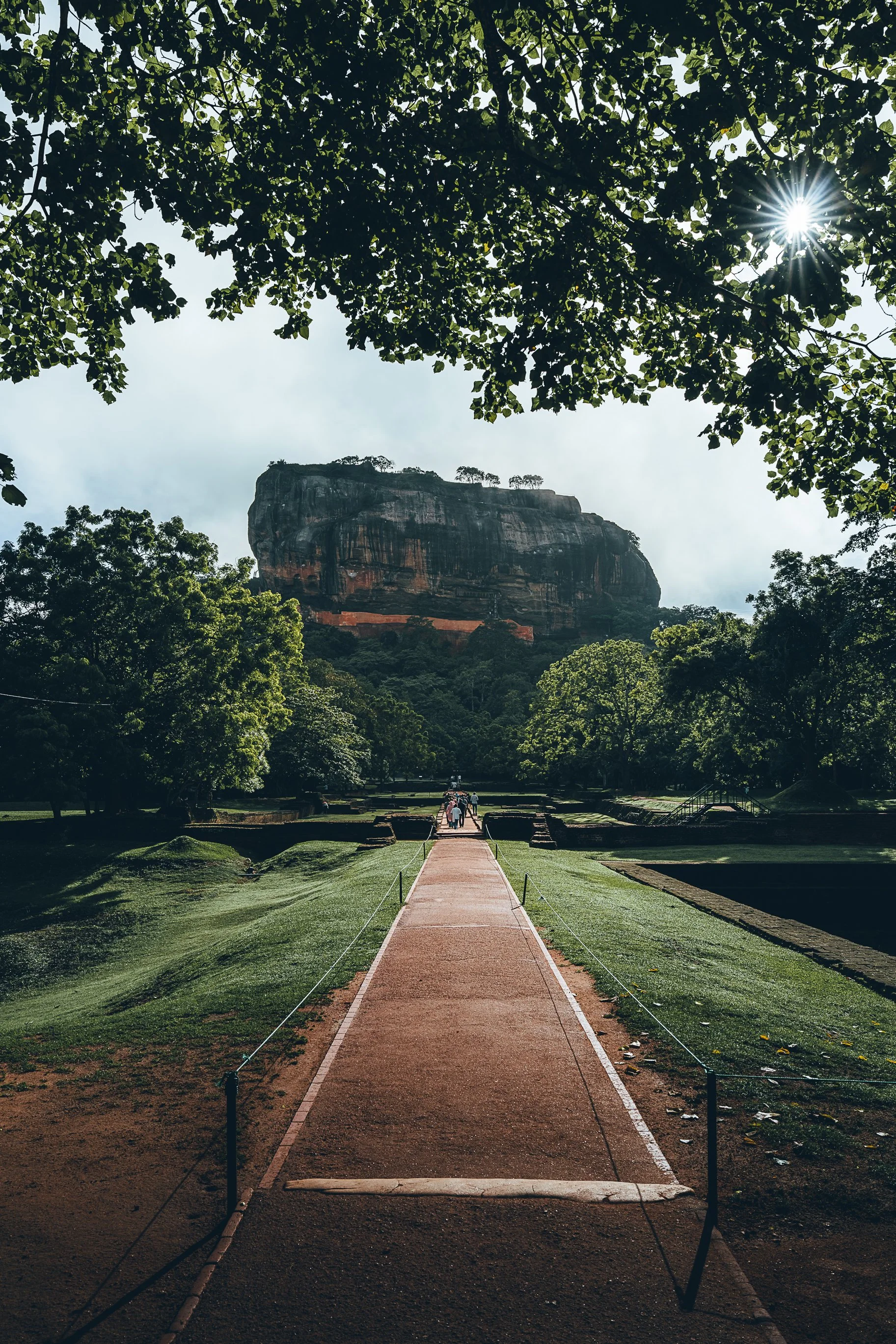
The next day, the alarm clock rings at 4:30 a.m. It's a very early start, but ideal for climbing Lion Rock in good conditions. Climbing early allows you to avoid the crowds, enjoy milder temperatures, and... hopefully see the sunrise from the summit.

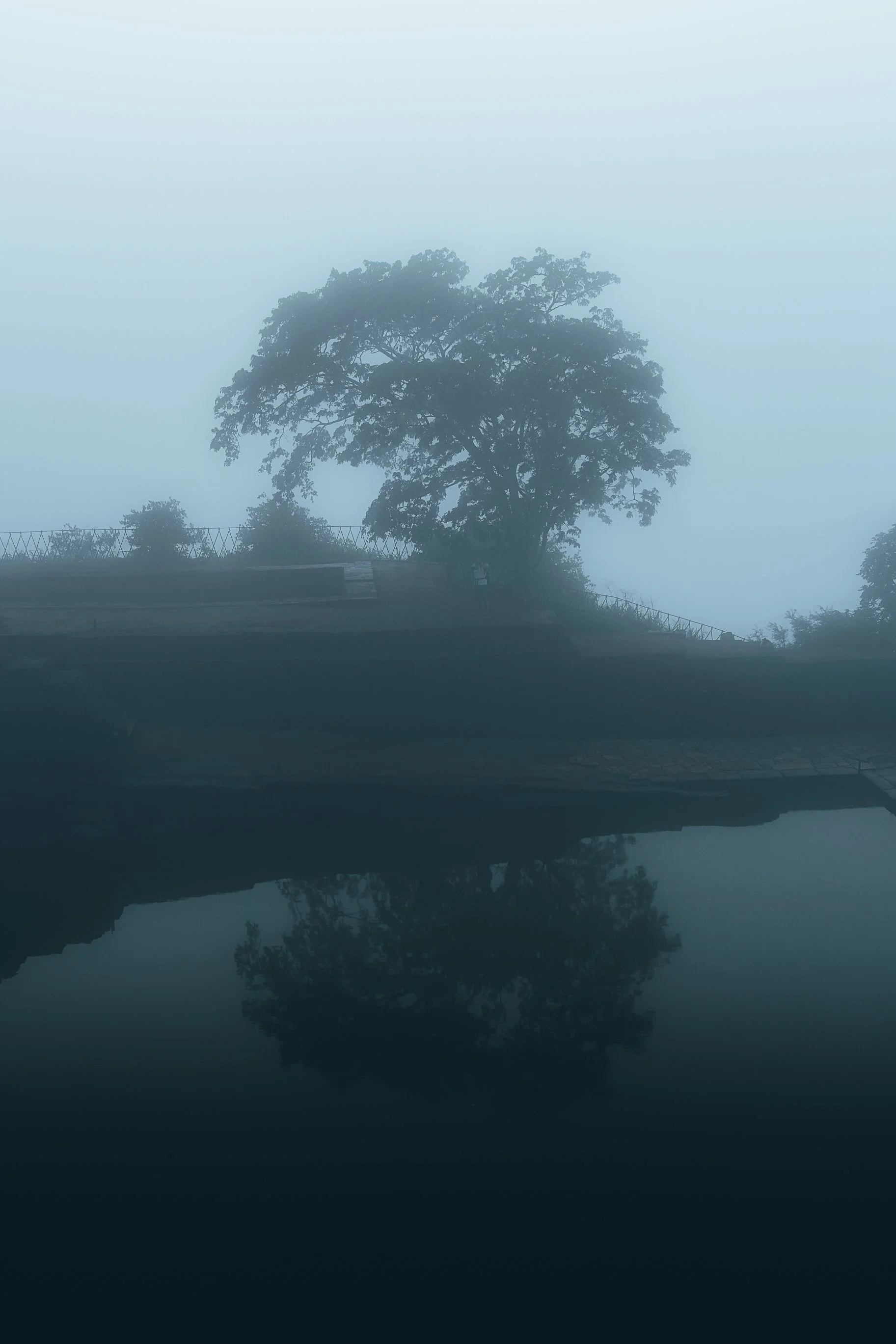
It rained heavily during the night. As we set off, a light drizzle persists and thick fog completely covers the site. The climb is gentle, in a calm atmosphere. A few tourists are already there, but overall it is pleasant and far from the crowds of the day.
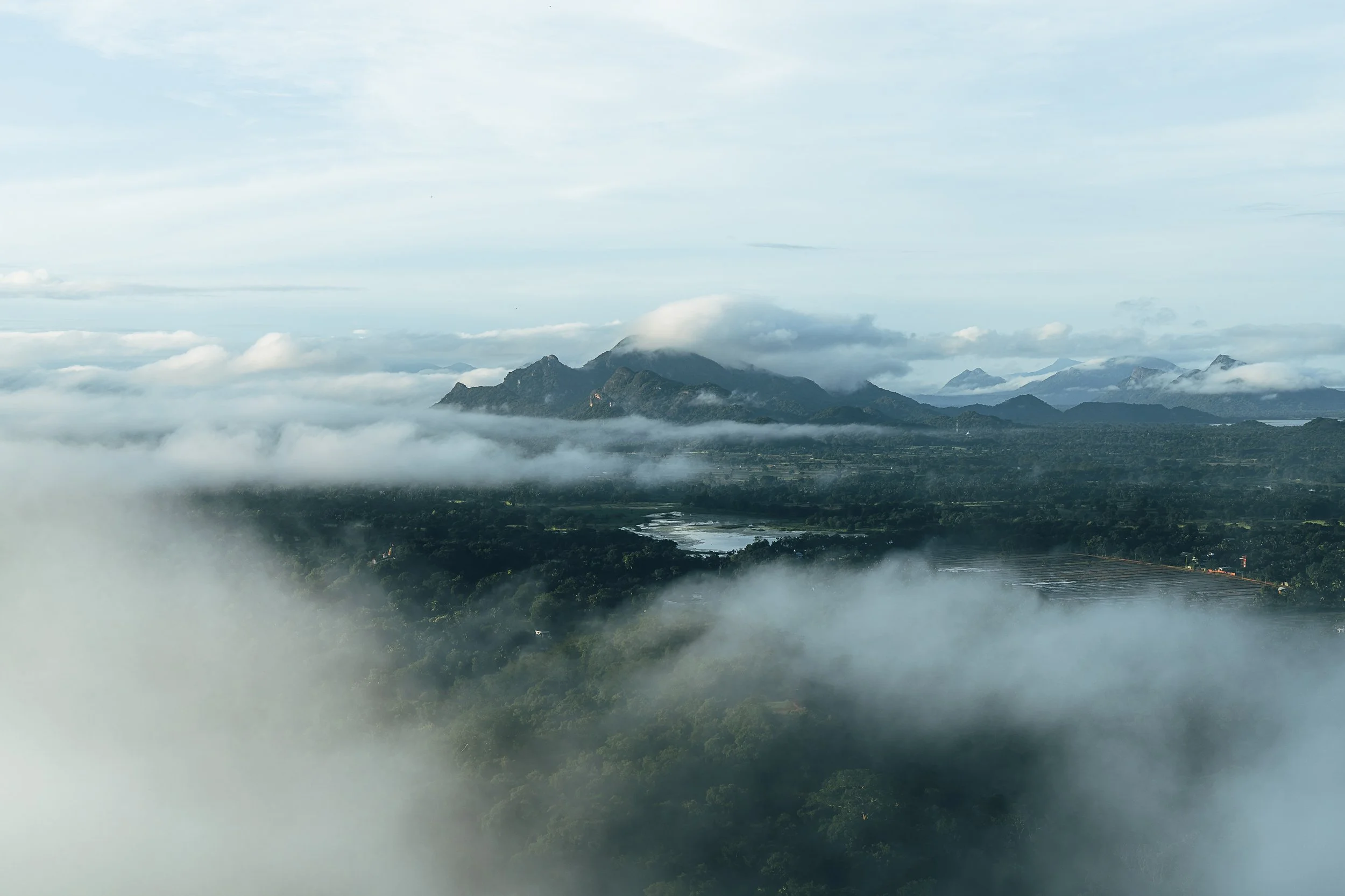
As we climb higher, we gradually rise above the fog. The panorama does not reveal itself immediately: the clouds remain thick and largely obscure the surrounding landscape. At times, they briefly dissipate, revealing the jungle and green expanses below. It is not a panorama that is revealed all at once, but a spectacle that is constantly changing and evolving. Sigiriya reminds us that sometimes we have to accept that landscapes come to us at their own pace. Then, almost imperceptibly, the light becomes warmer: a soft golden hue settles in, enveloping the rock and the surrounding vegetation.
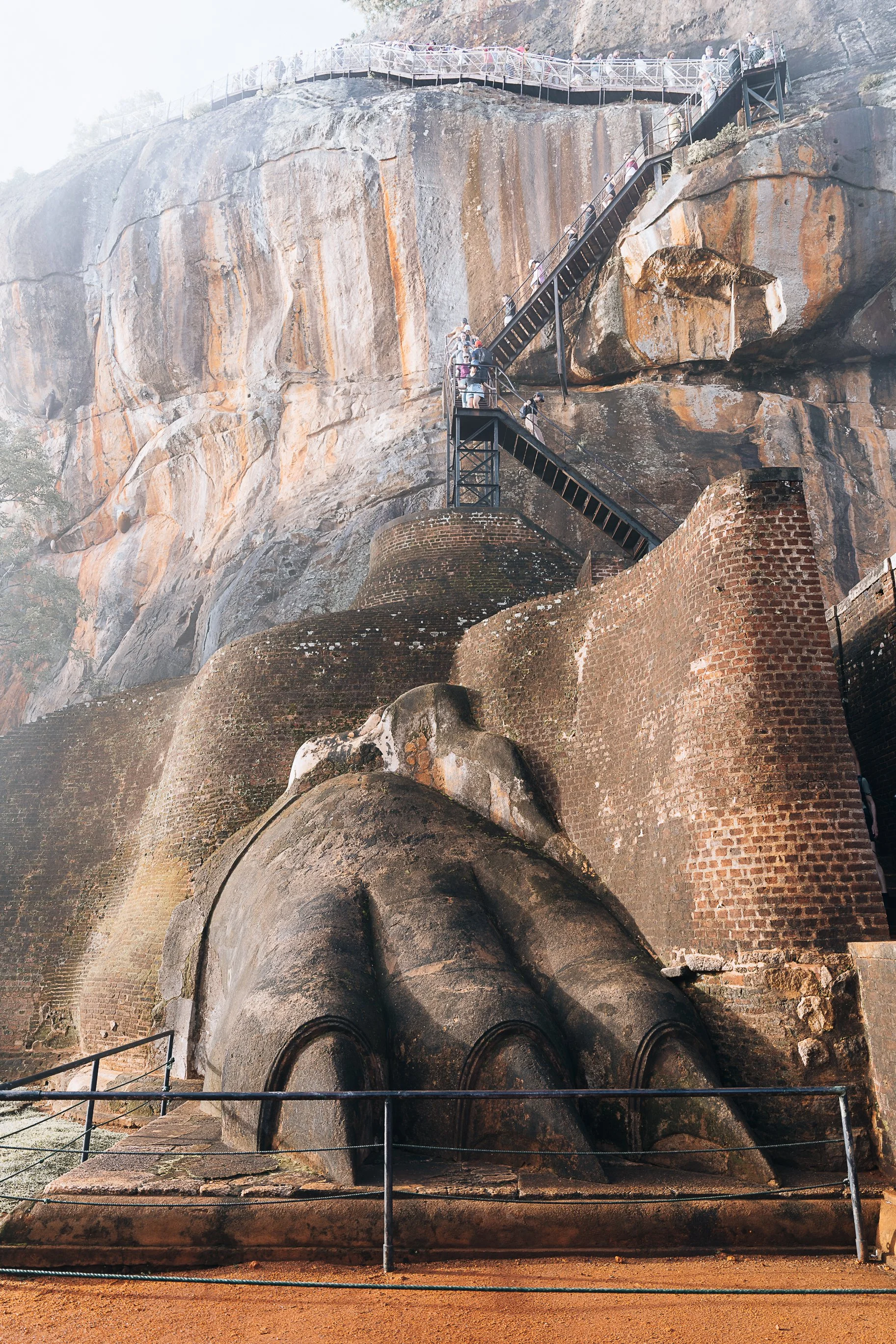
Polonnaruwa
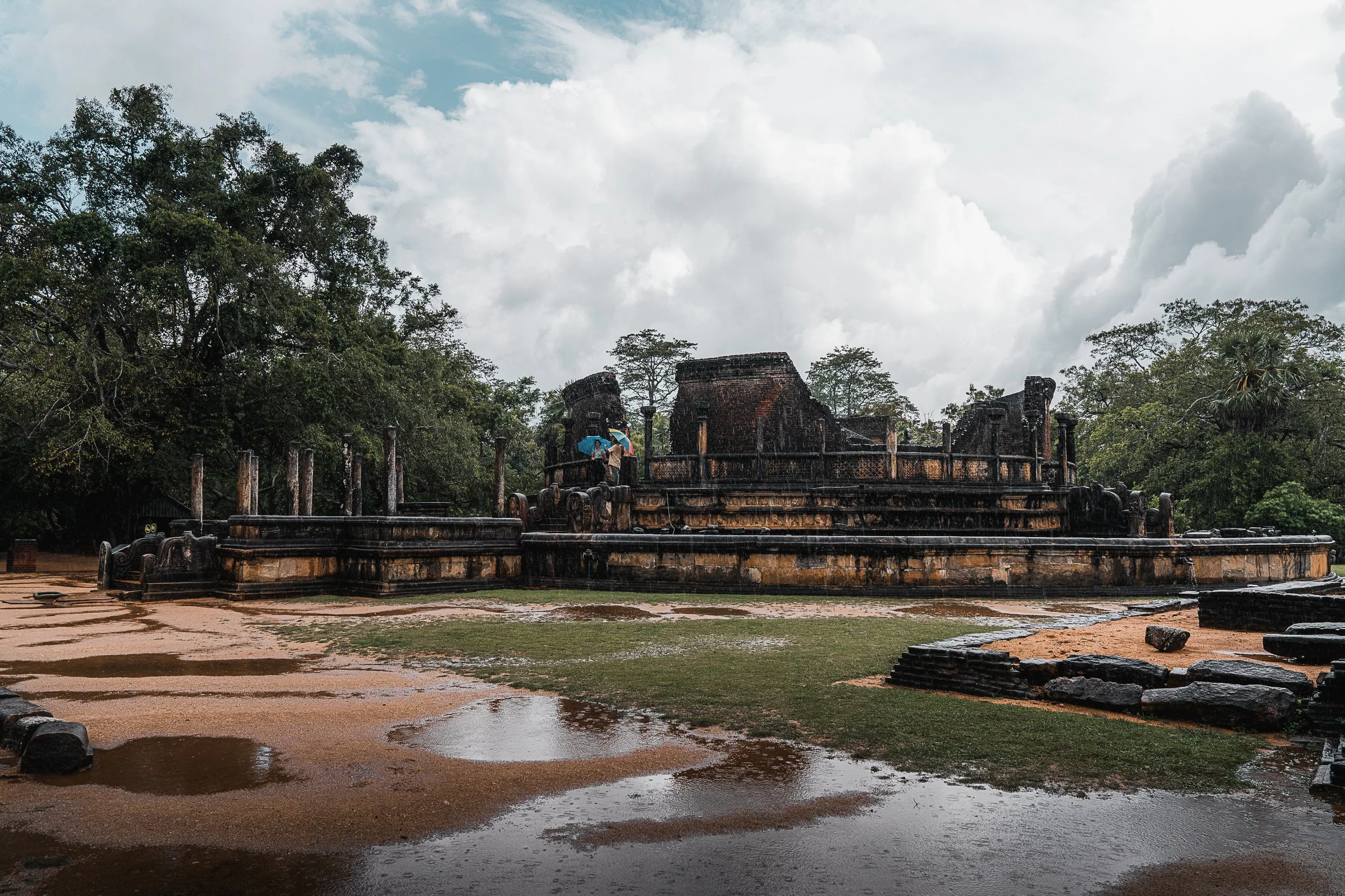
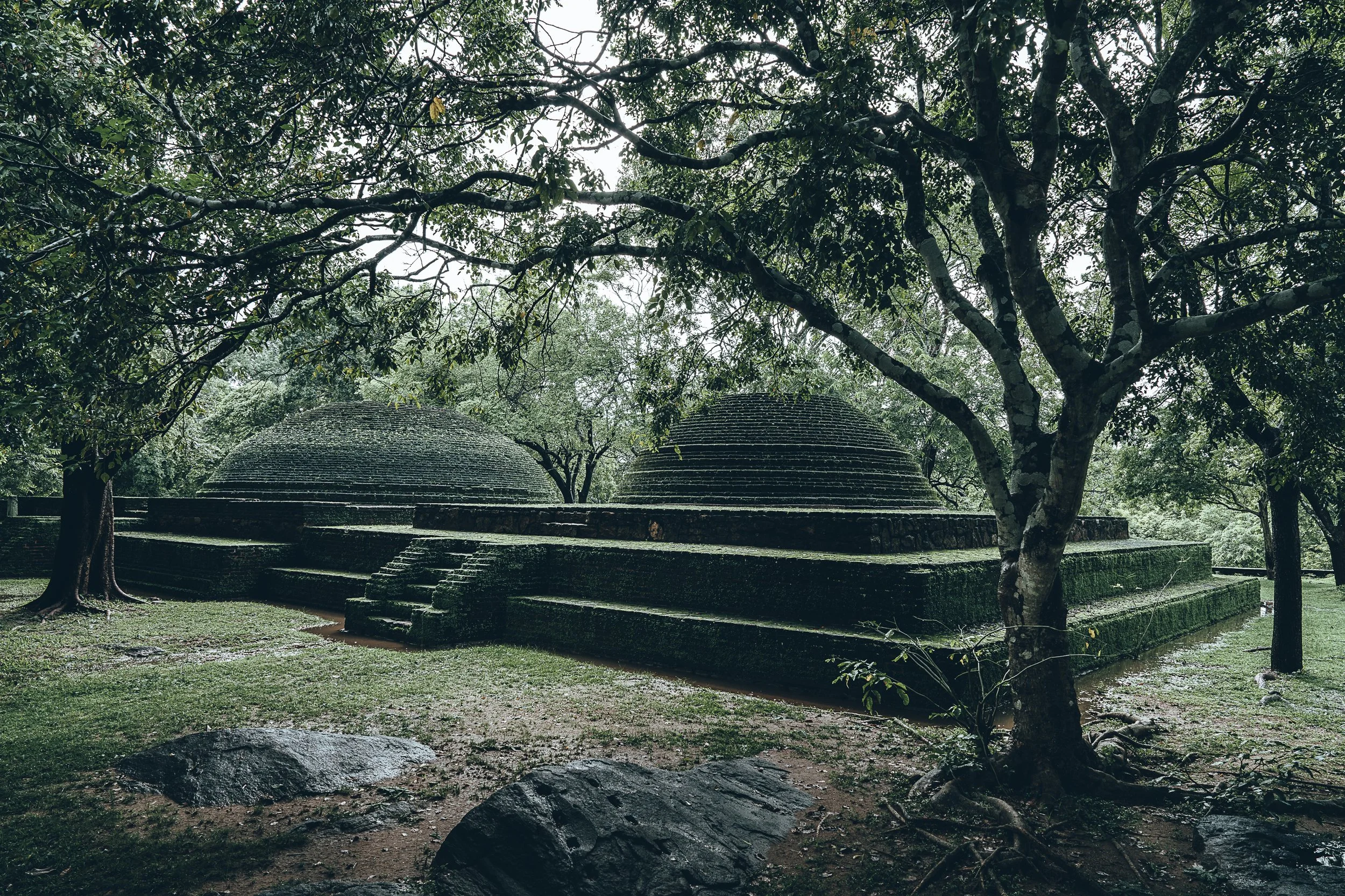
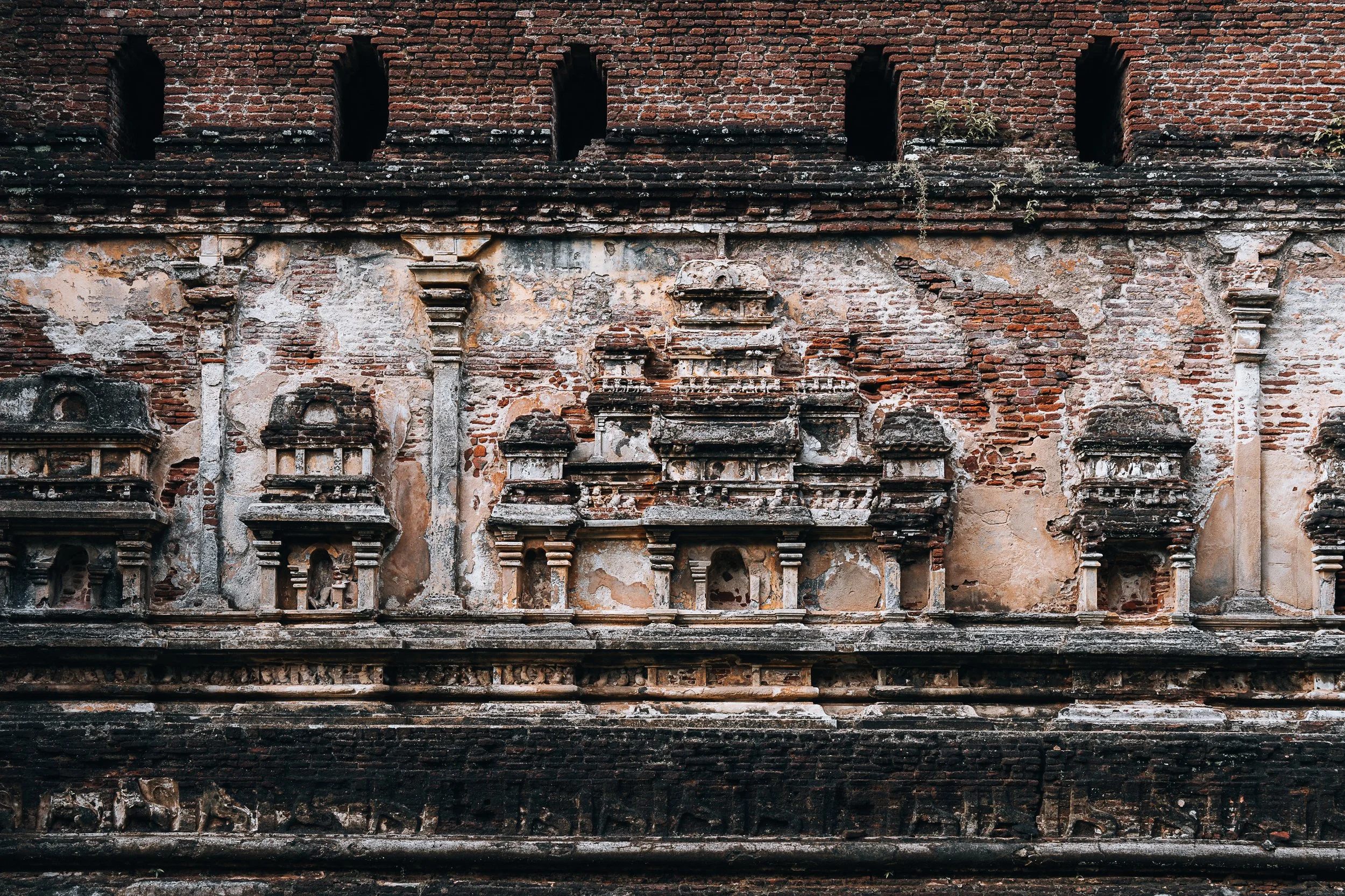
After a short break at the hotel, we set off again to explore Polonnaruwa, the ancient royal capital of Sri Lanka and a UNESCO World Heritage Site. The site covers a vast area dotted with temples, Buddha statues, ponds and palace ruins, bearing witness to the splendour of the kingdom between the 11th and 13th centuries.
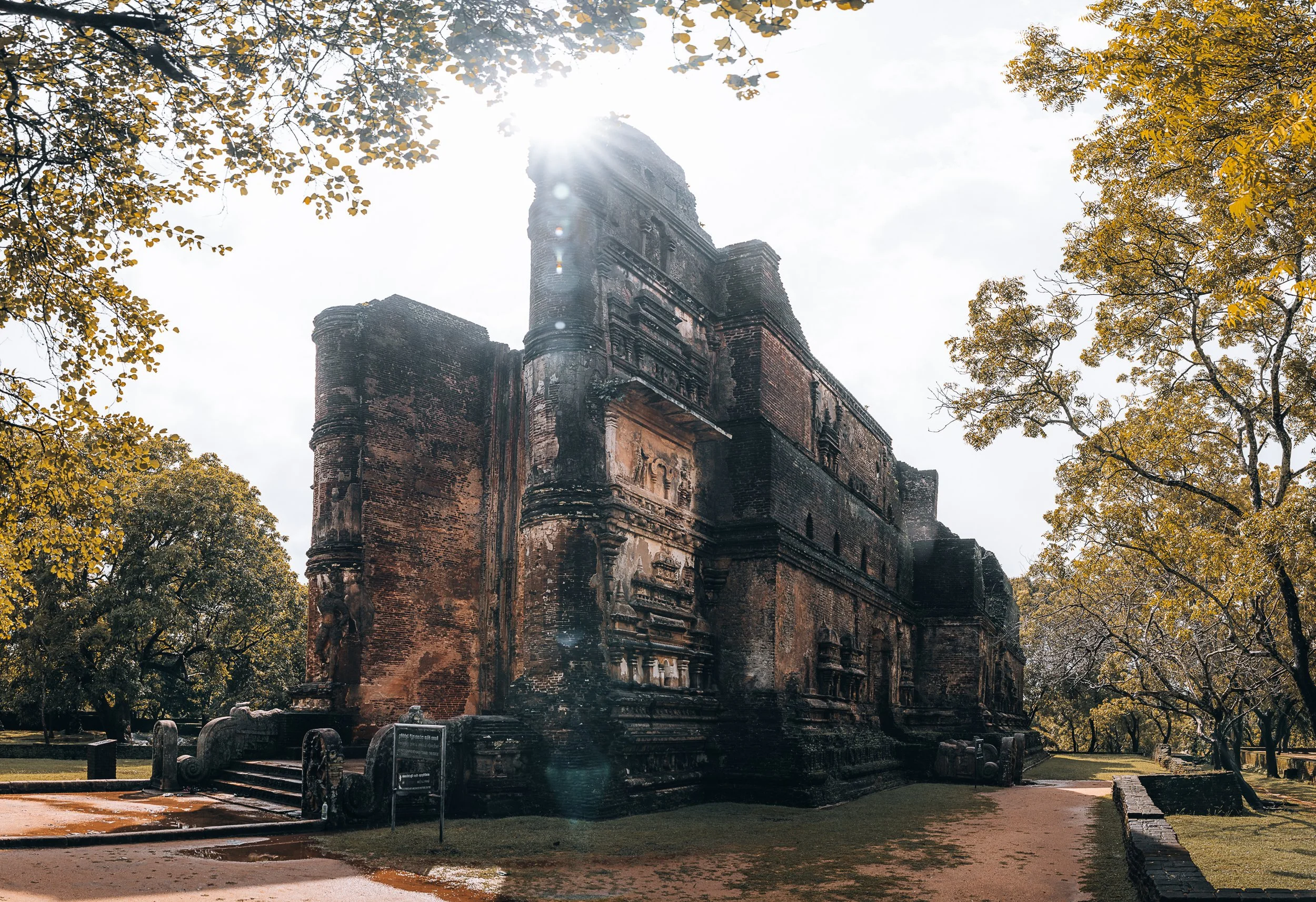
The visit takes place in sweltering heat, quickly followed by a tropical downpour that drenches us without mercy. Polonnaruwa is undoubtedly an impressive site steeped in history, but the distance from Sigiriya makes the trip quite long for a simple half-day excursion. In hindsight, it's a visit we might have enjoyed more if we had stayed nearby, so we could take our time and avoid the fatigue of the journey.
Habarana
The next day, we set off on a 10 km bike ride around Habarana, a wonderful immersion into the daily life of the locals. Here, we clearly stray from the tourist sites to discover a more authentic Sri Lanka, at the pace of the villages and encounters.
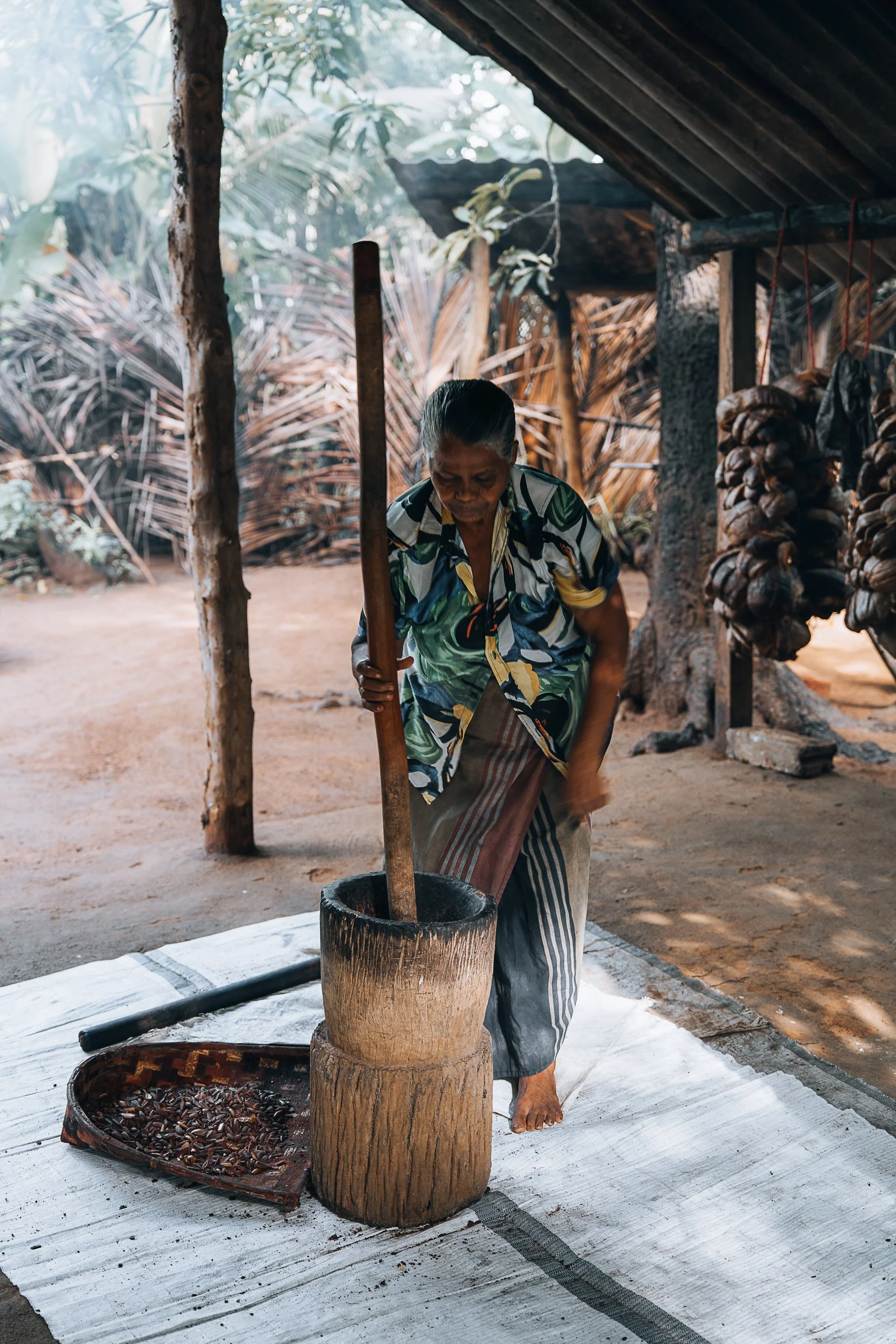
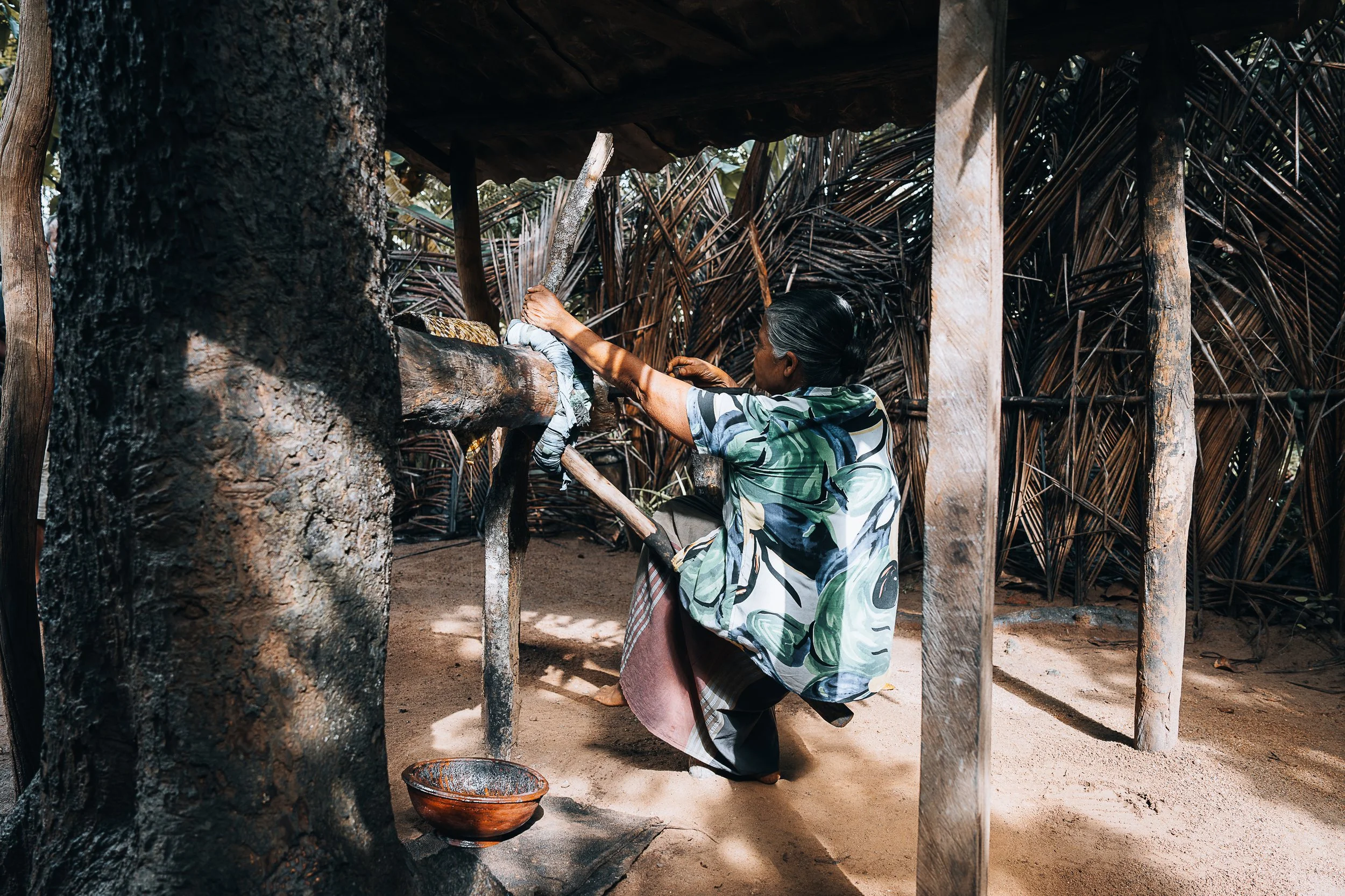
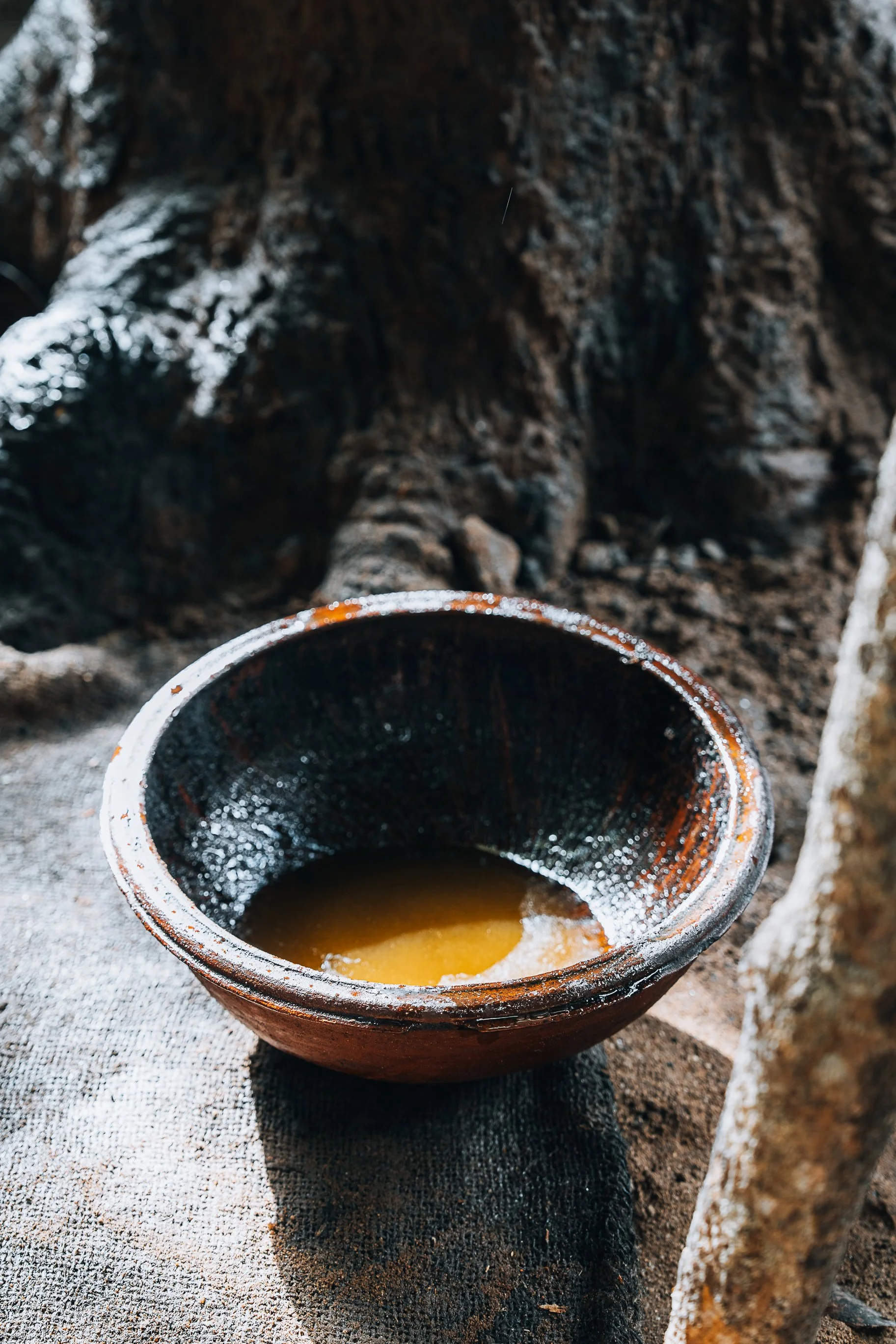
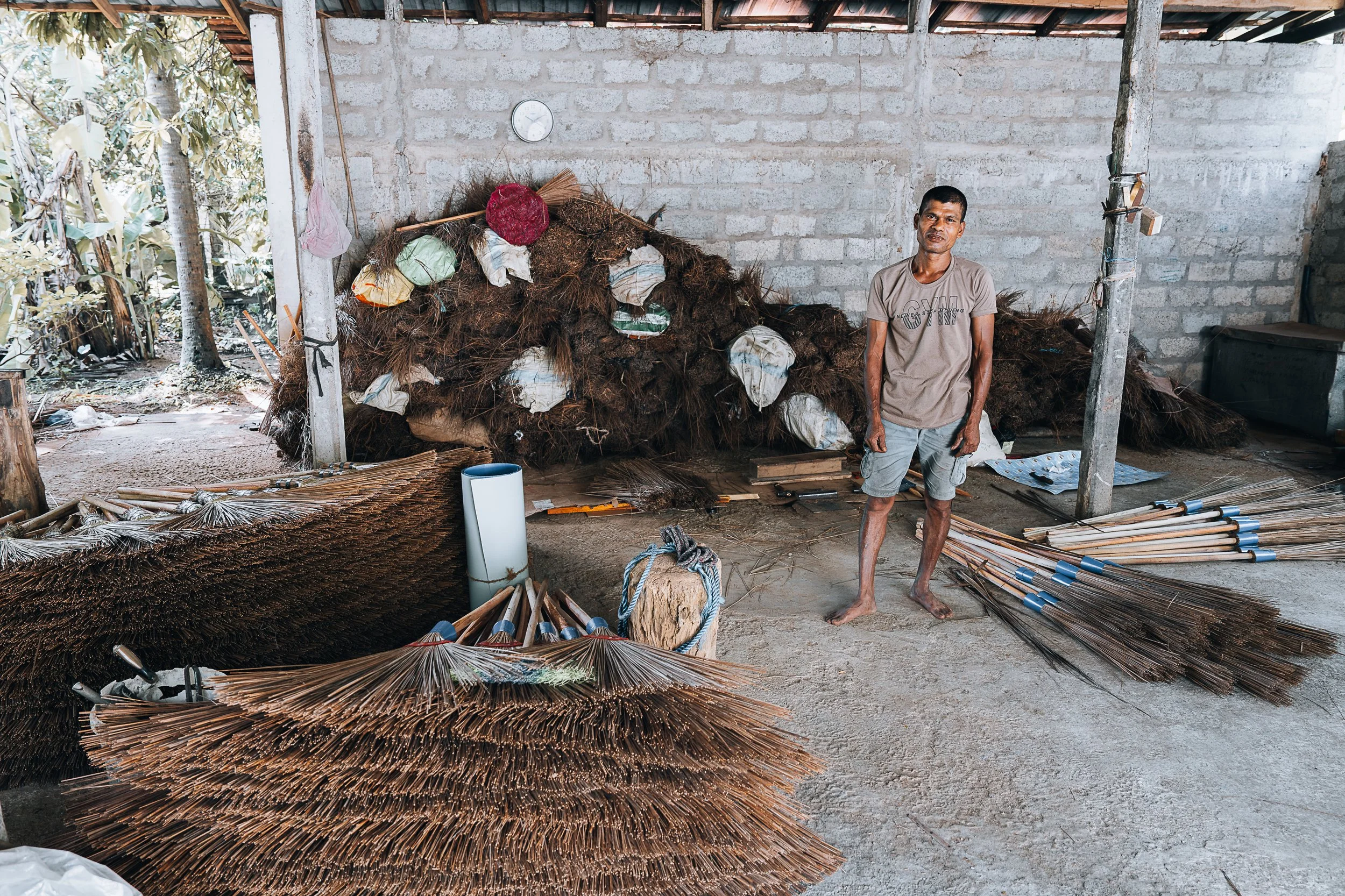
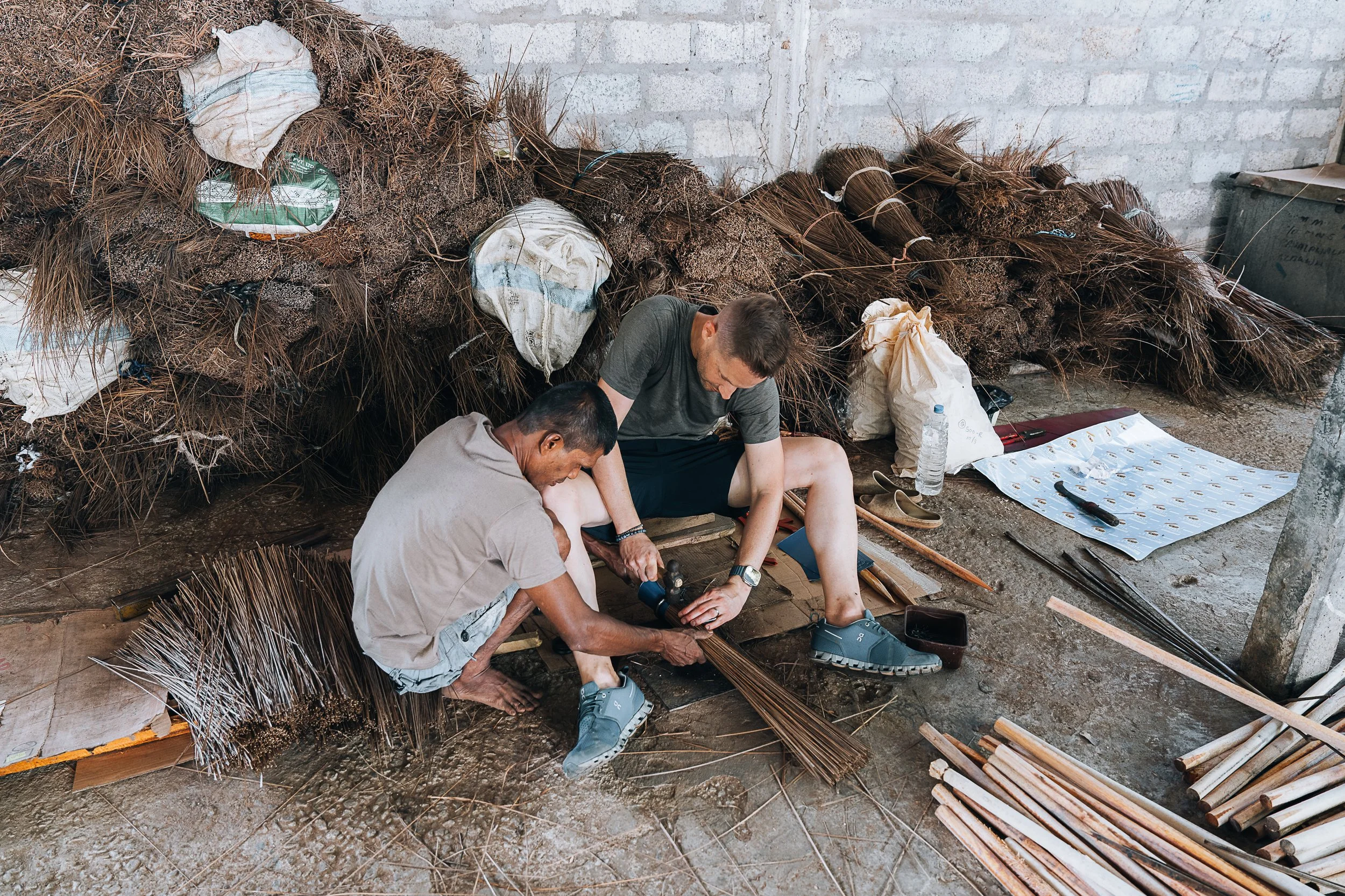
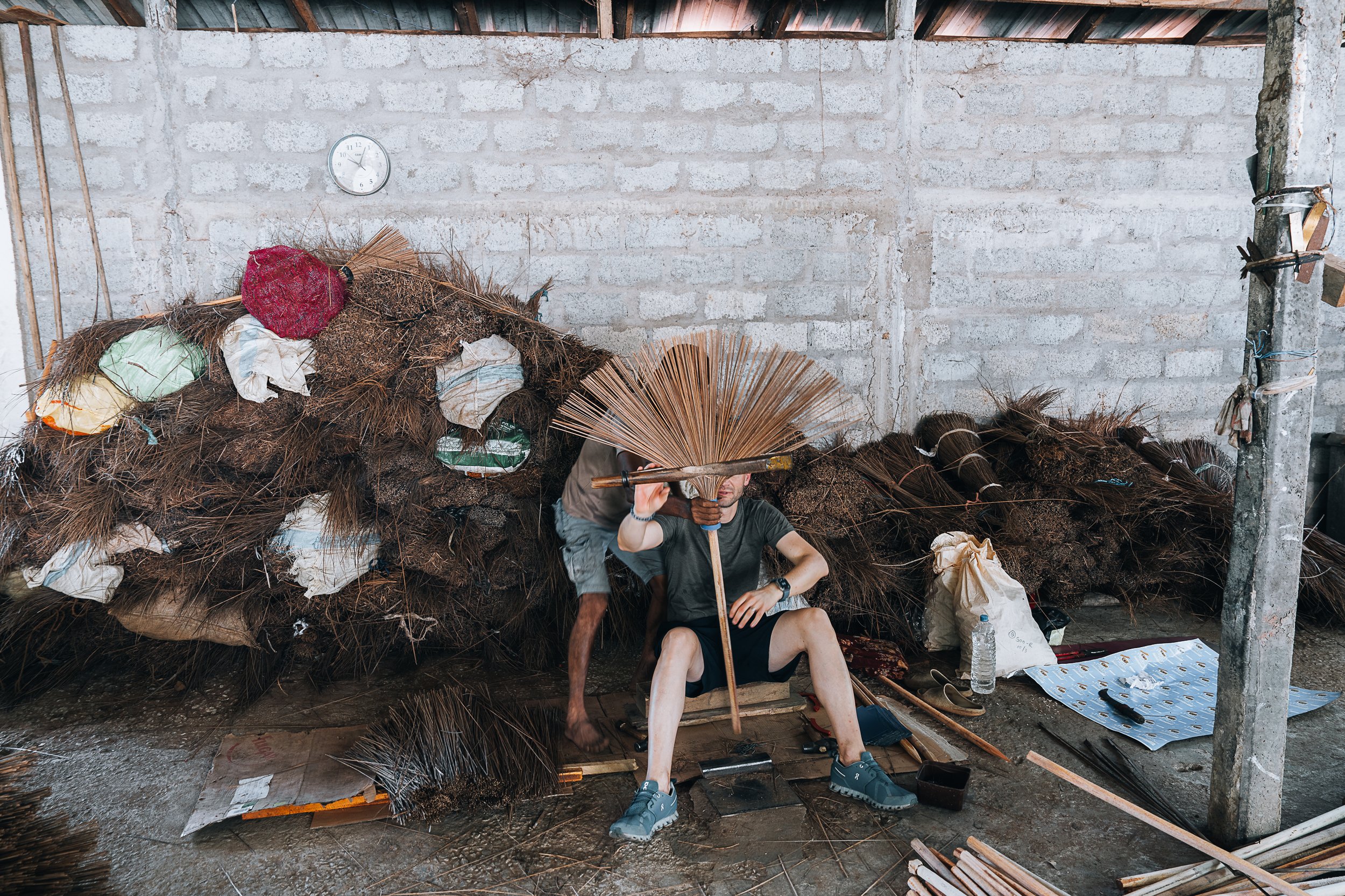
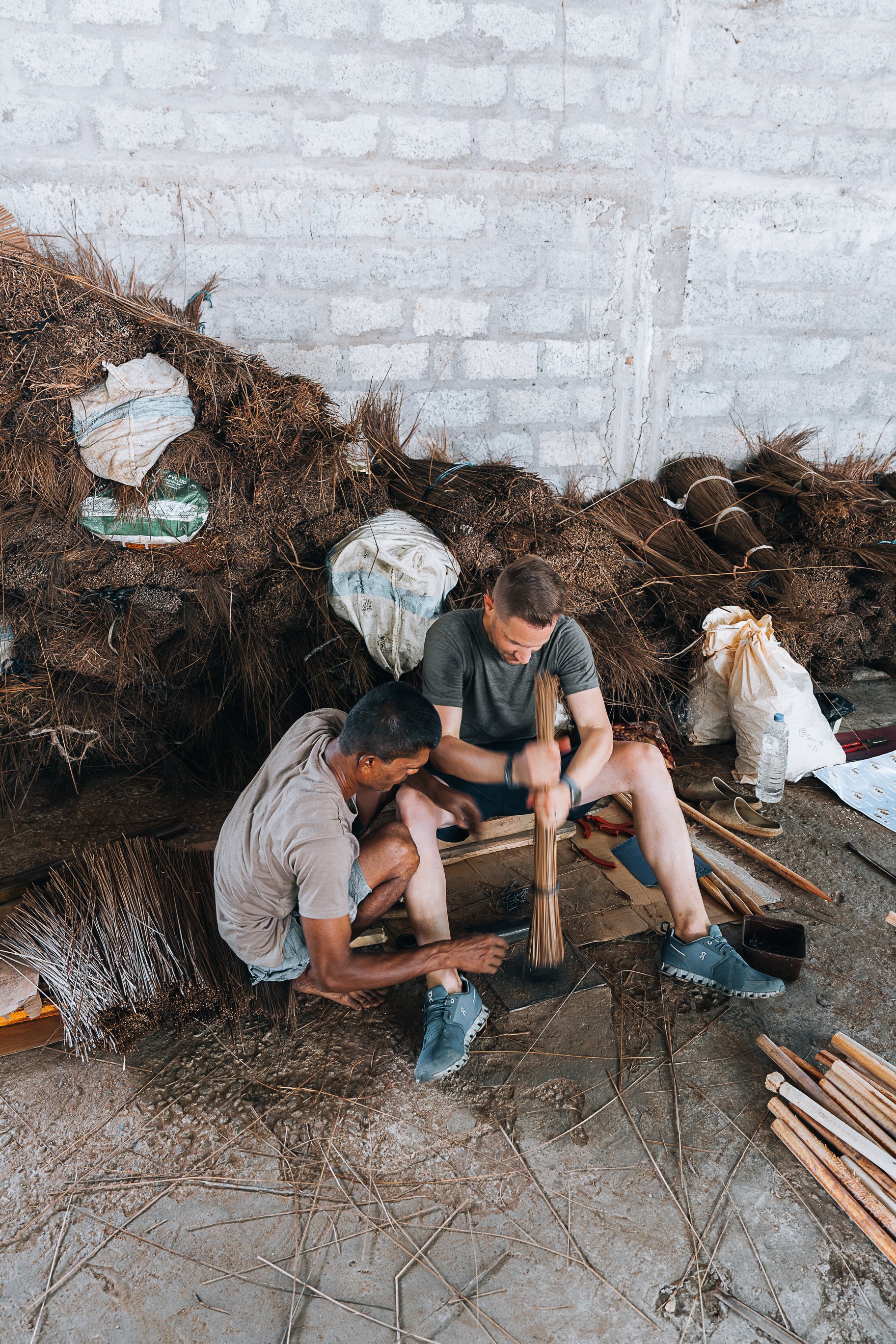
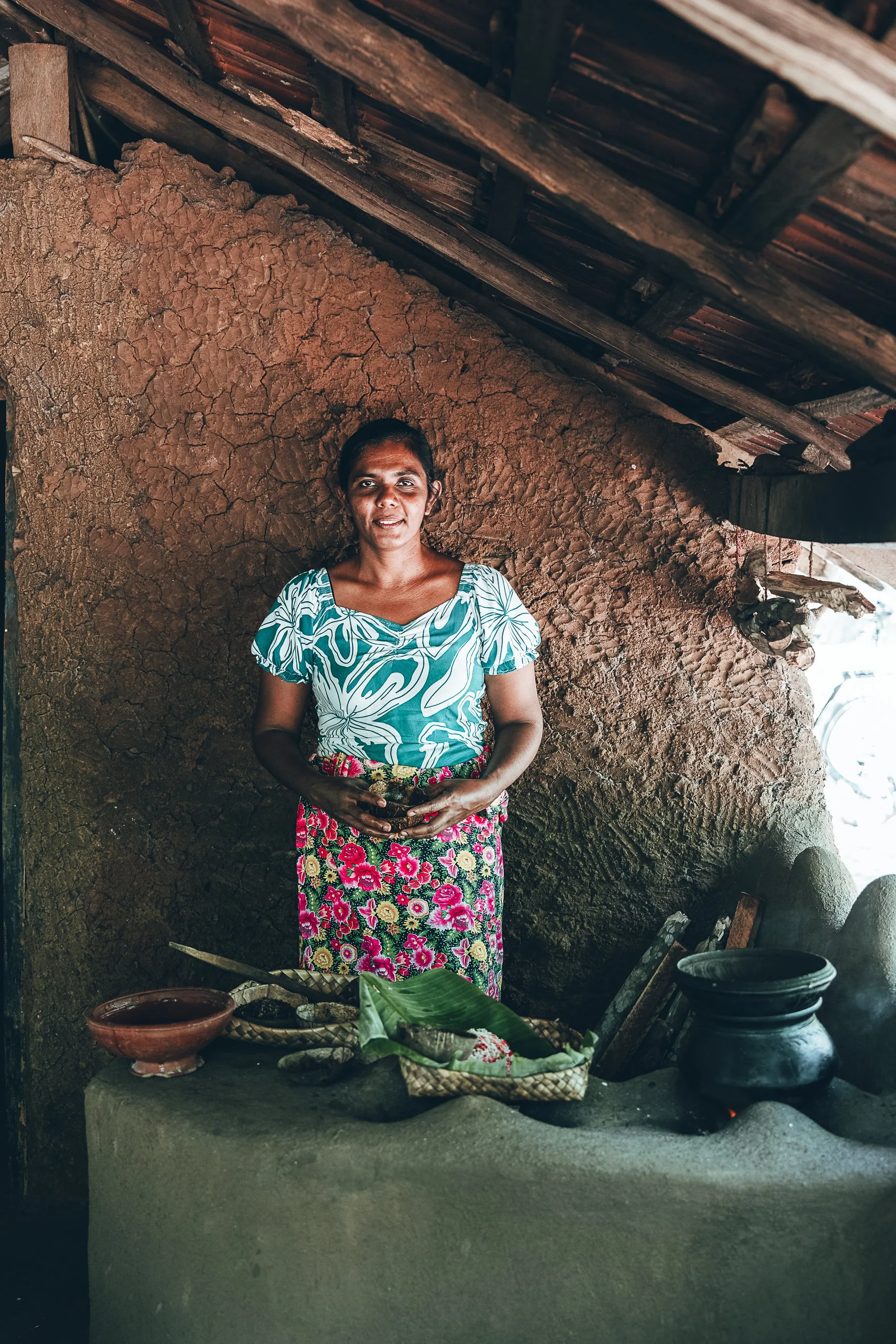
As we wander through the narrow streets and lanes, we come across artisans at work: making massage oil, crafting traditional brooms, and even an open-air dance school.
We pass the unmissable ‘choon paan’ bread truck on our mountain bikes. Its little tune, Beethoven's ‘Für Elise’, blaring at full volume, announces the baker's arrival long before we see him. Everyone here recognises this tune: doors open and residents come out to buy bread.
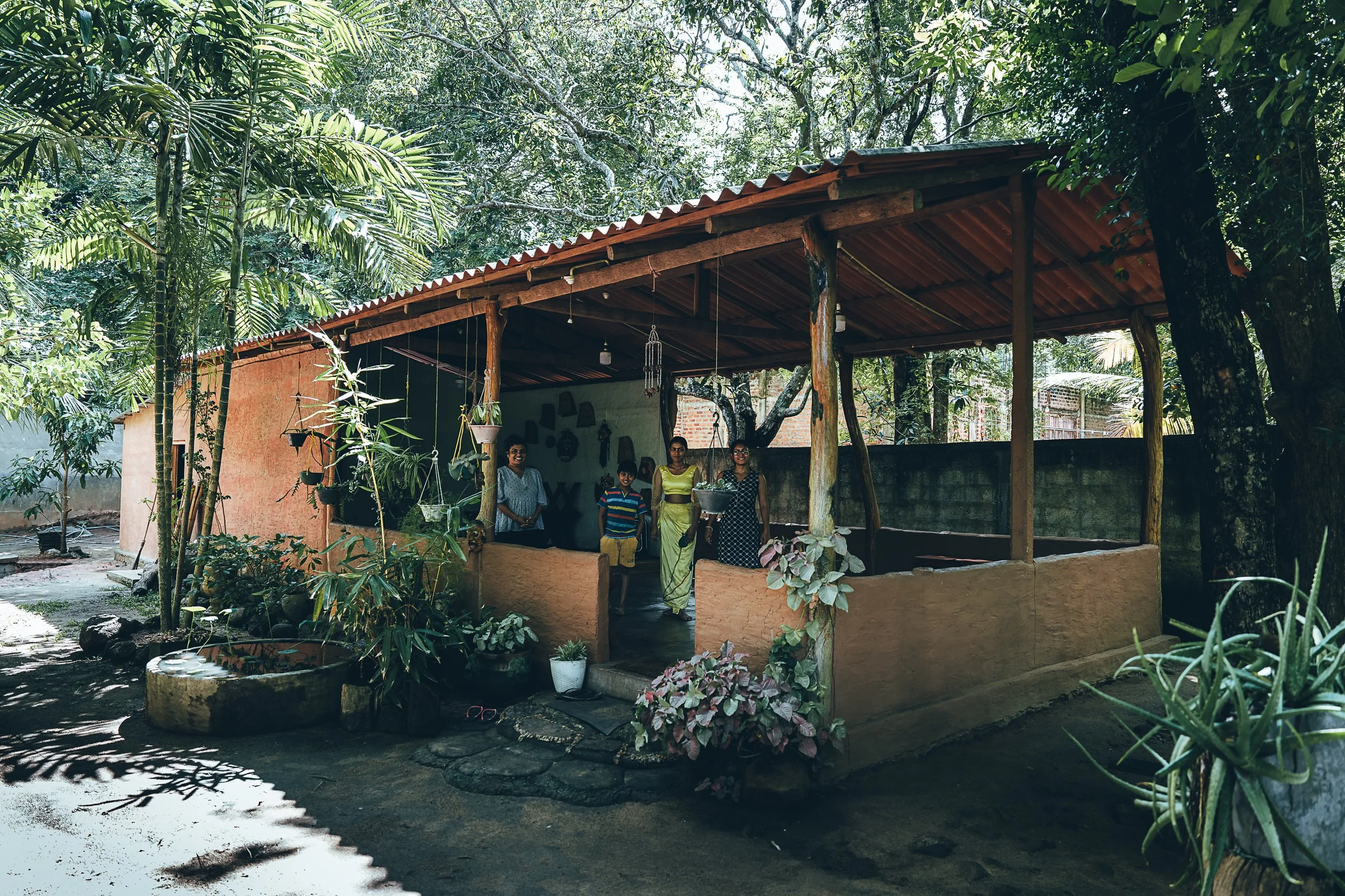
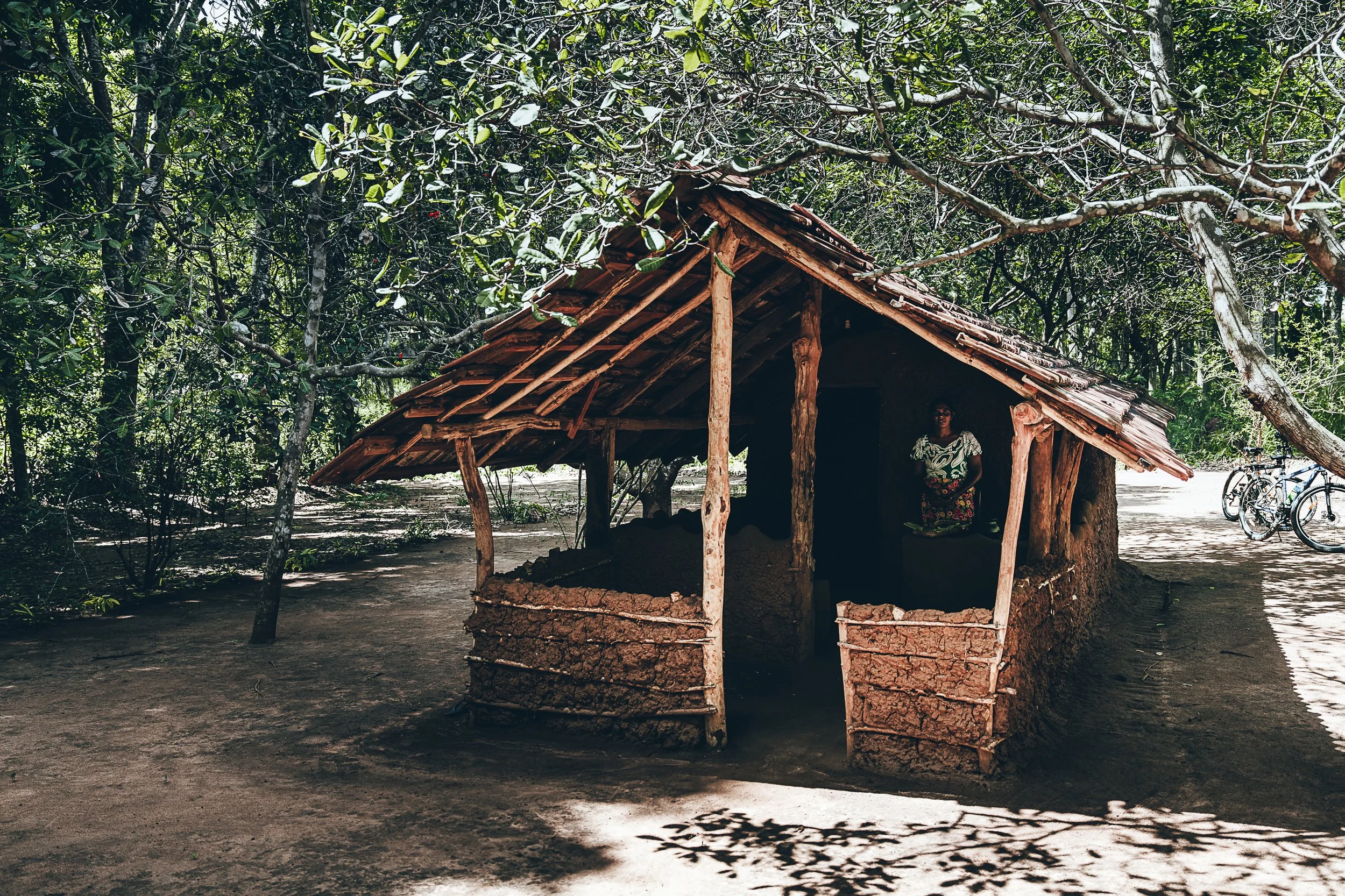
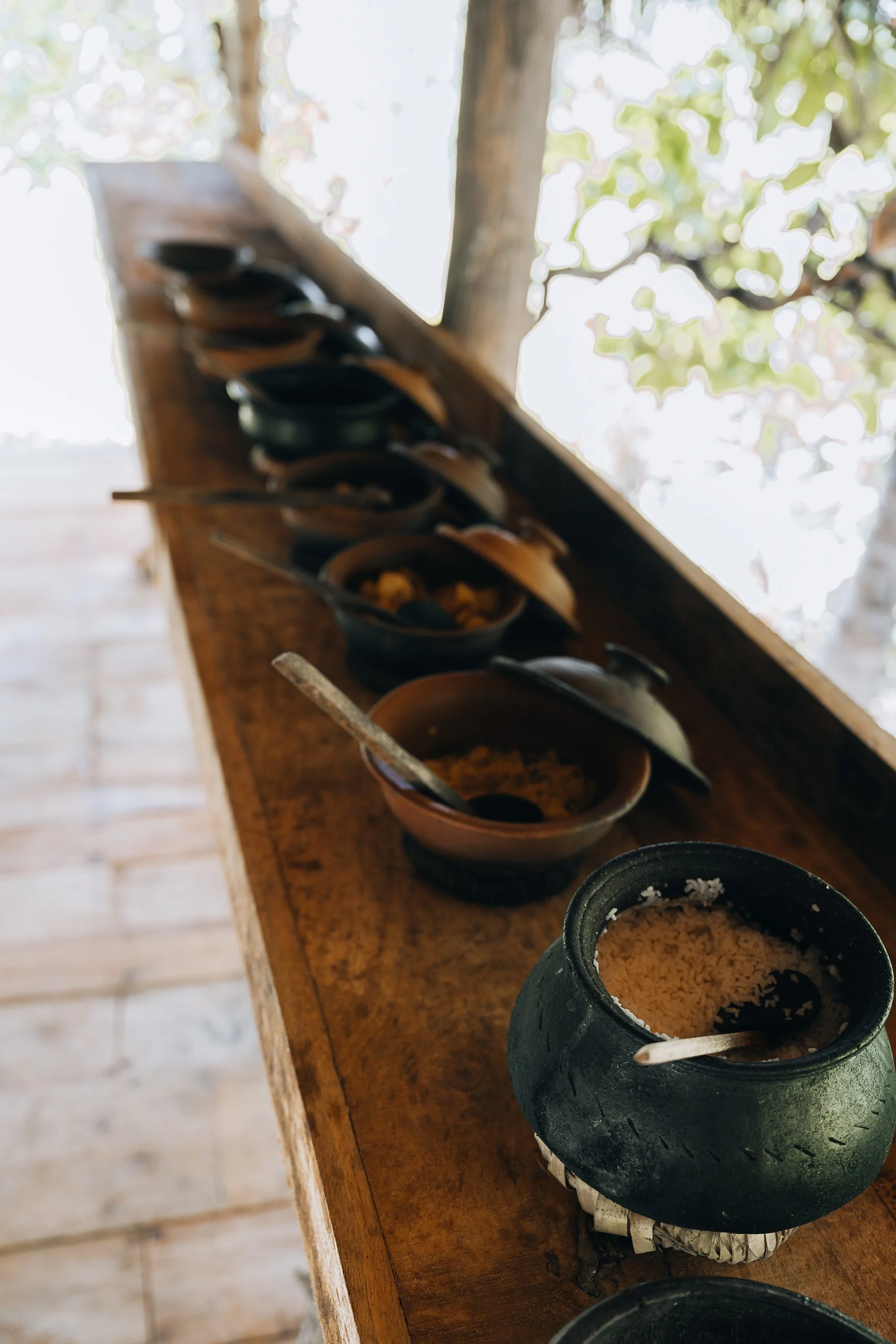
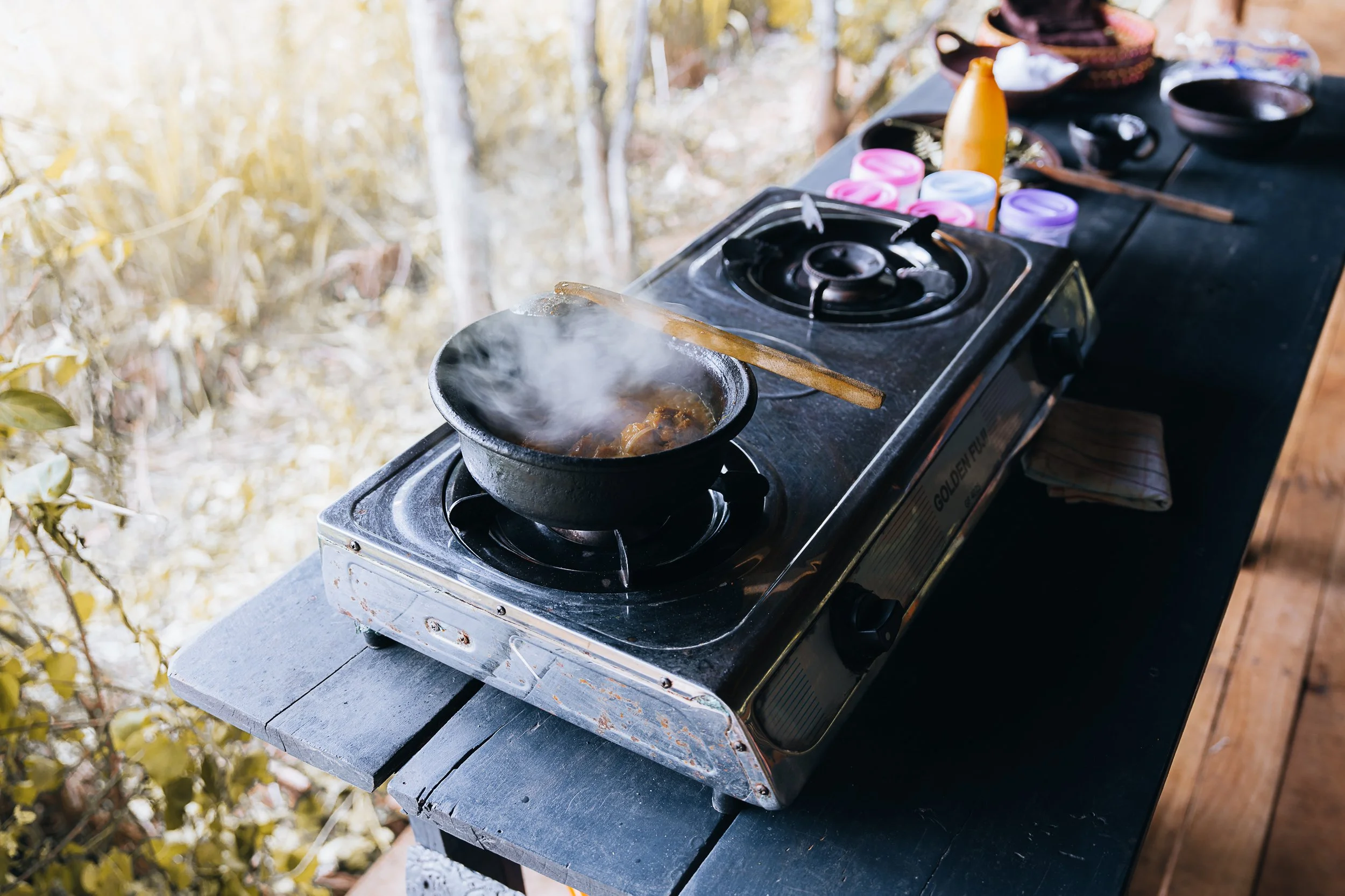
At midday, we share a delicious Sri Lankan meal with locals before leisurely heading back to the hotel. It's been a morning that has allowed us to get a real feel for the heart of Sri Lanka.
Pidurangala
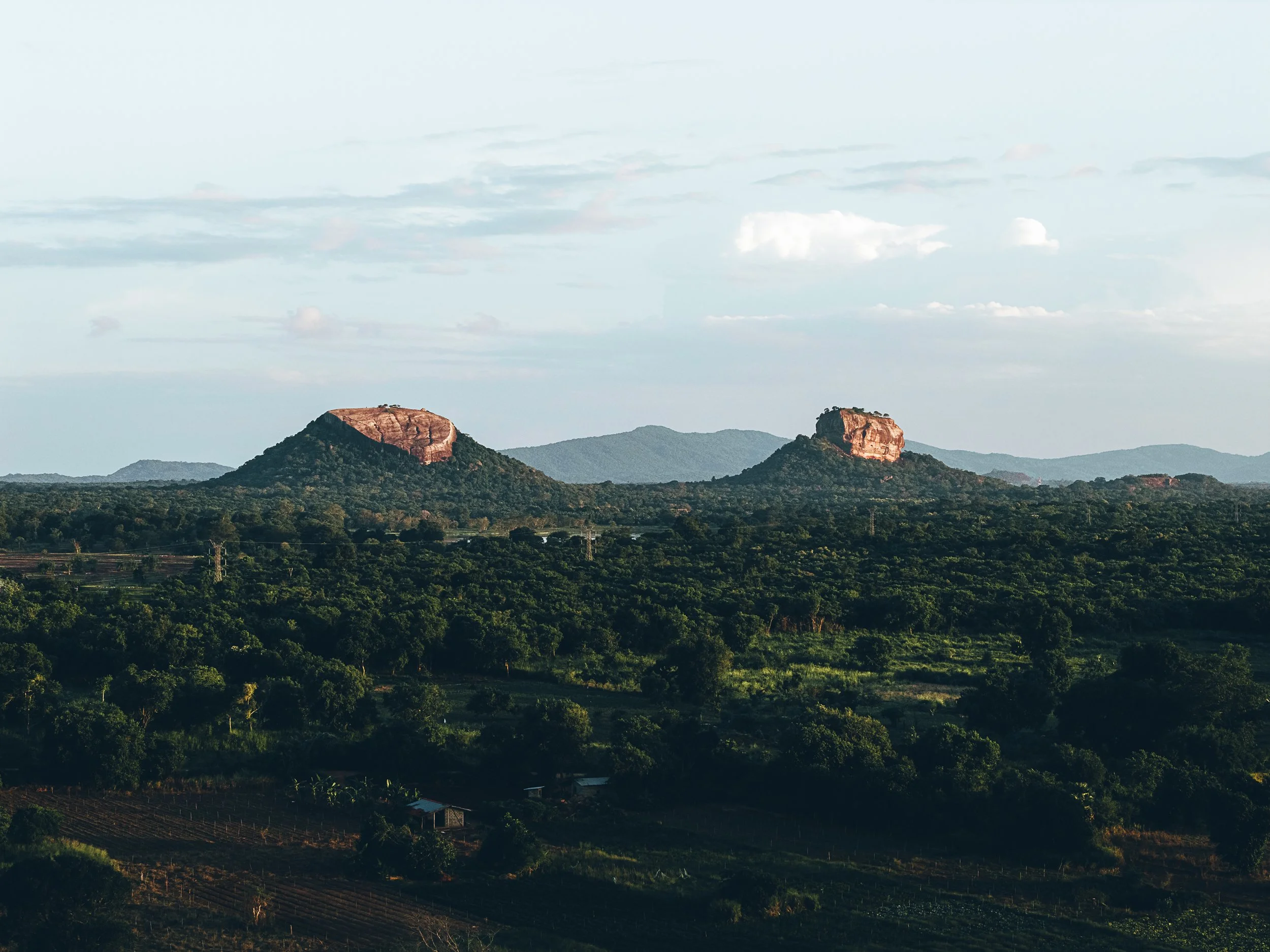
We end the day by climbing Pidurangala Rock. Shorter than Lion Rock, it is nevertheless more challenging over the last few metres, with a few sections where you have to climb between rocks. This time, there is no rain or fog: the sky is clear and the view opens up onto an immensity of green, with Lion Rock rising up just opposite.
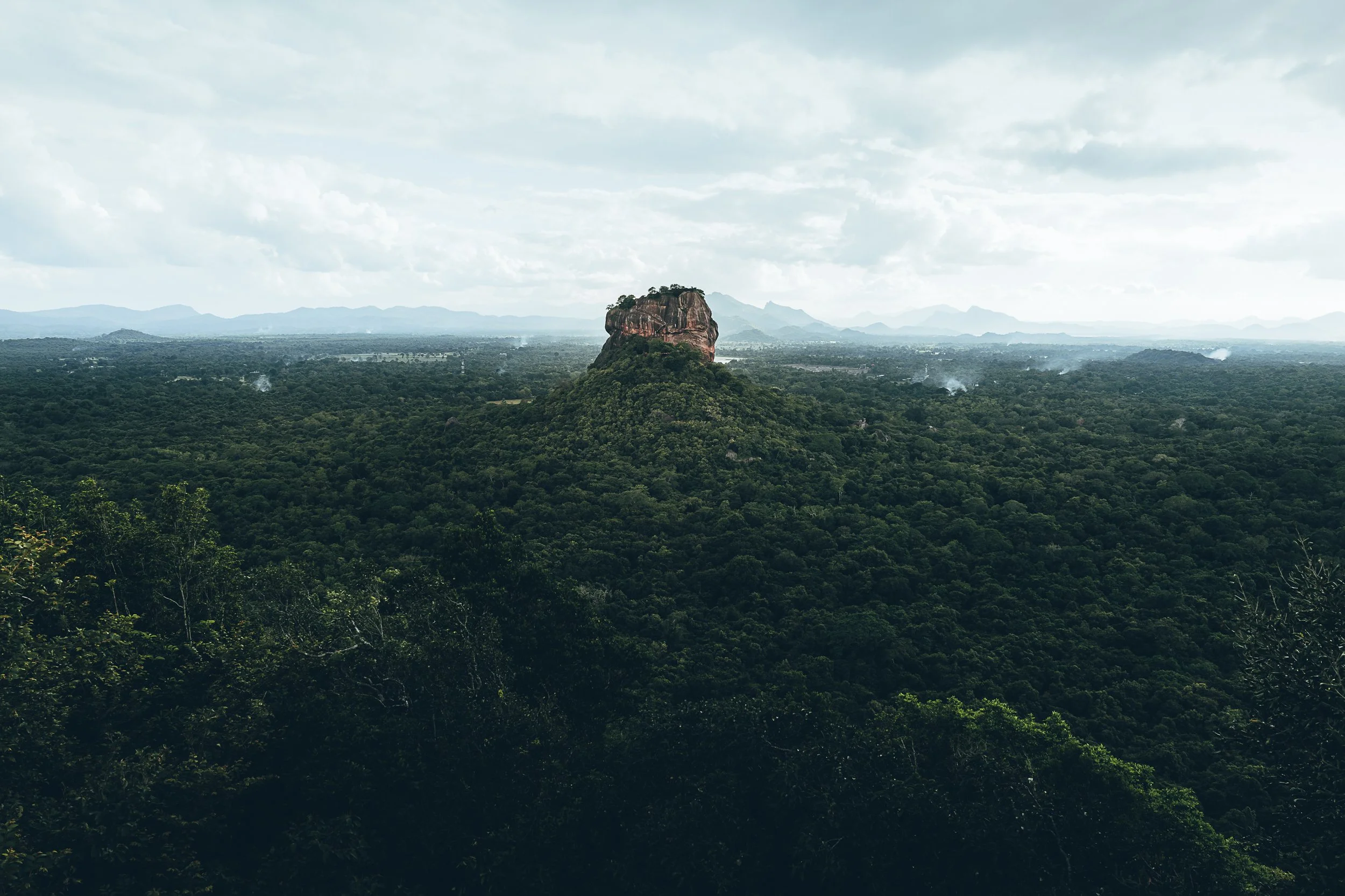
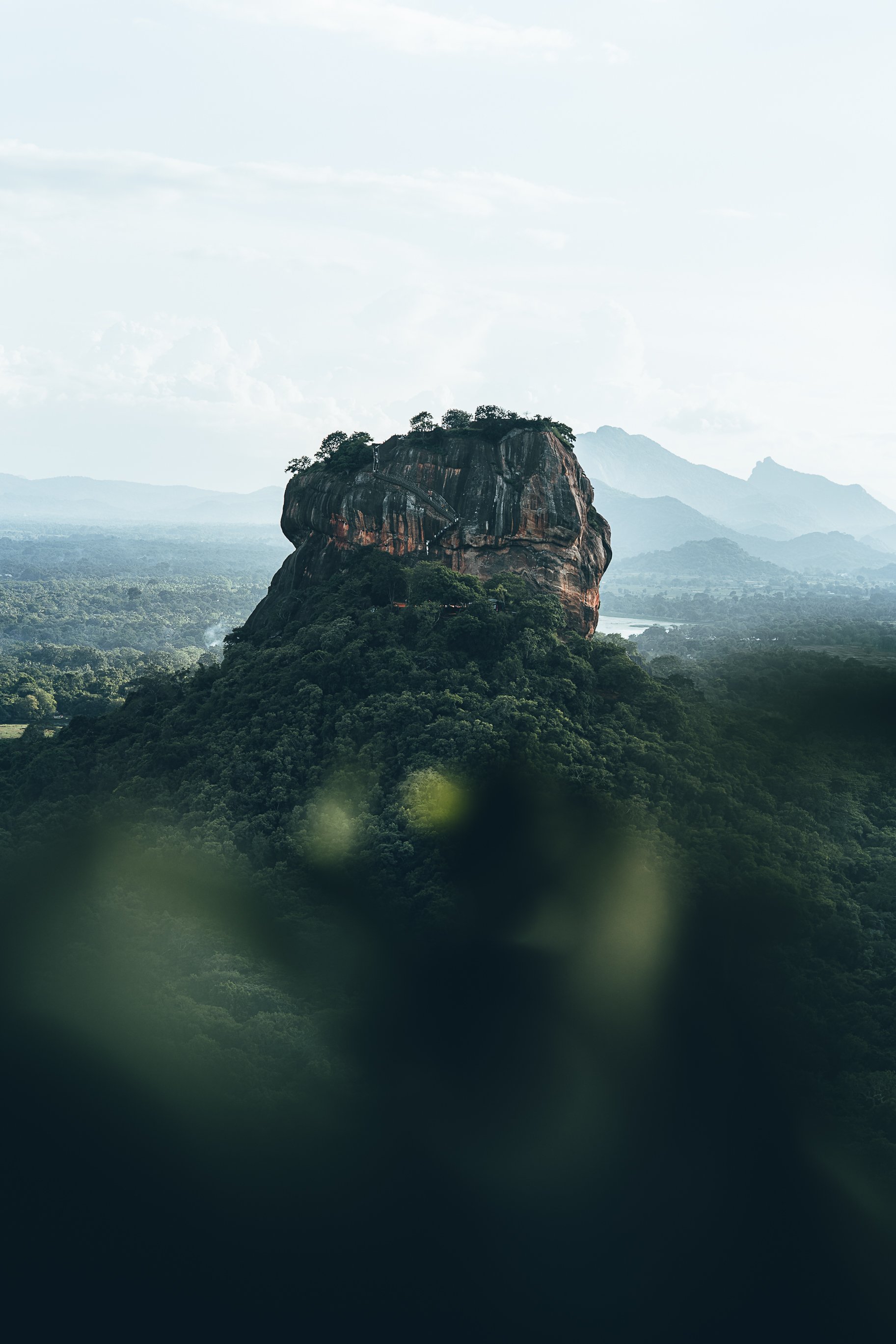
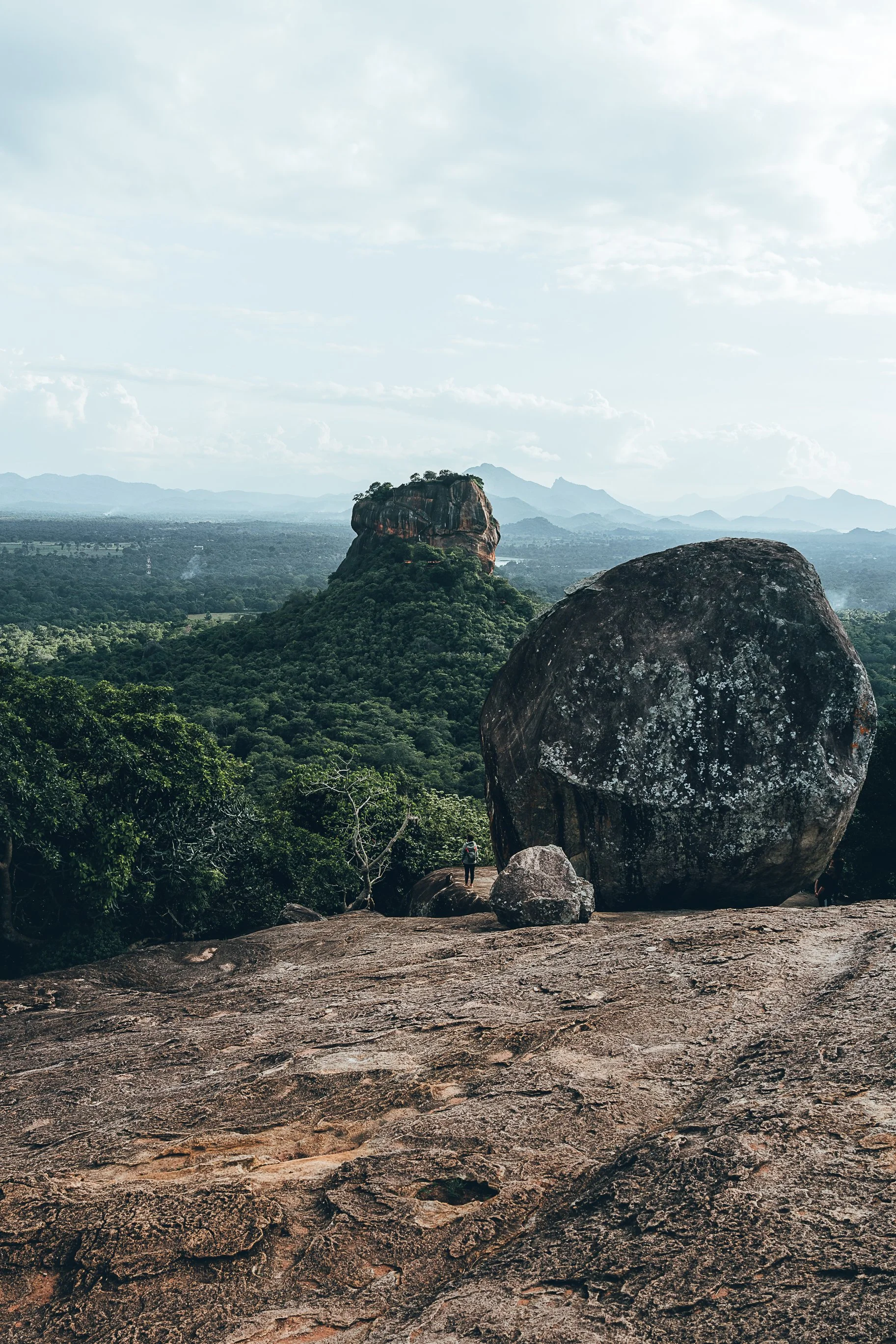
In the middle of the afternoon, we still enjoy a pleasant calm, almost alone at the summit. As sunset approaches, the atmosphere changes: the crowds arrive, accompanied by numerous selfie sticks. We then decide to head back down, satisfied to have experienced this moment in tranquillity.
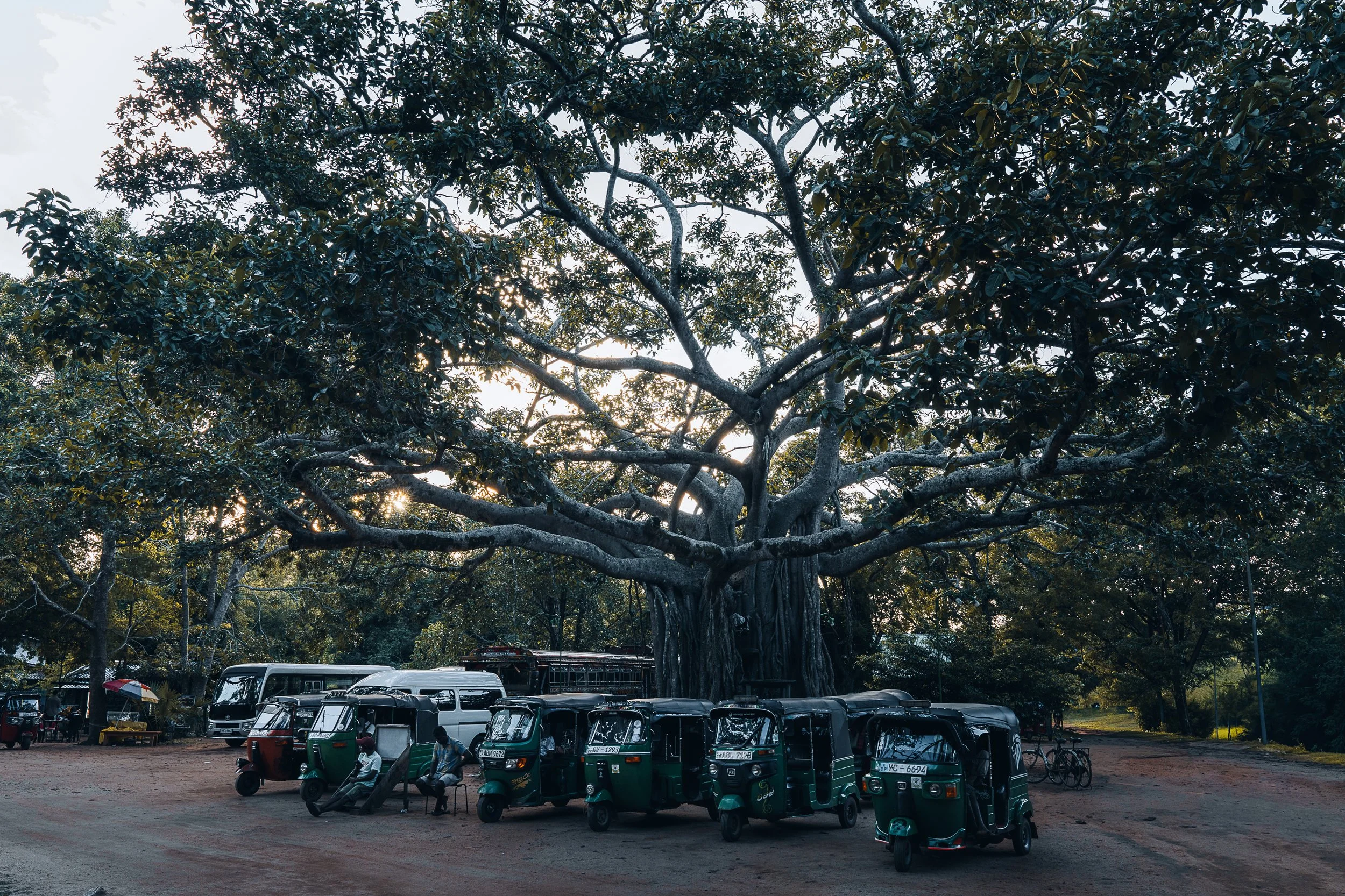
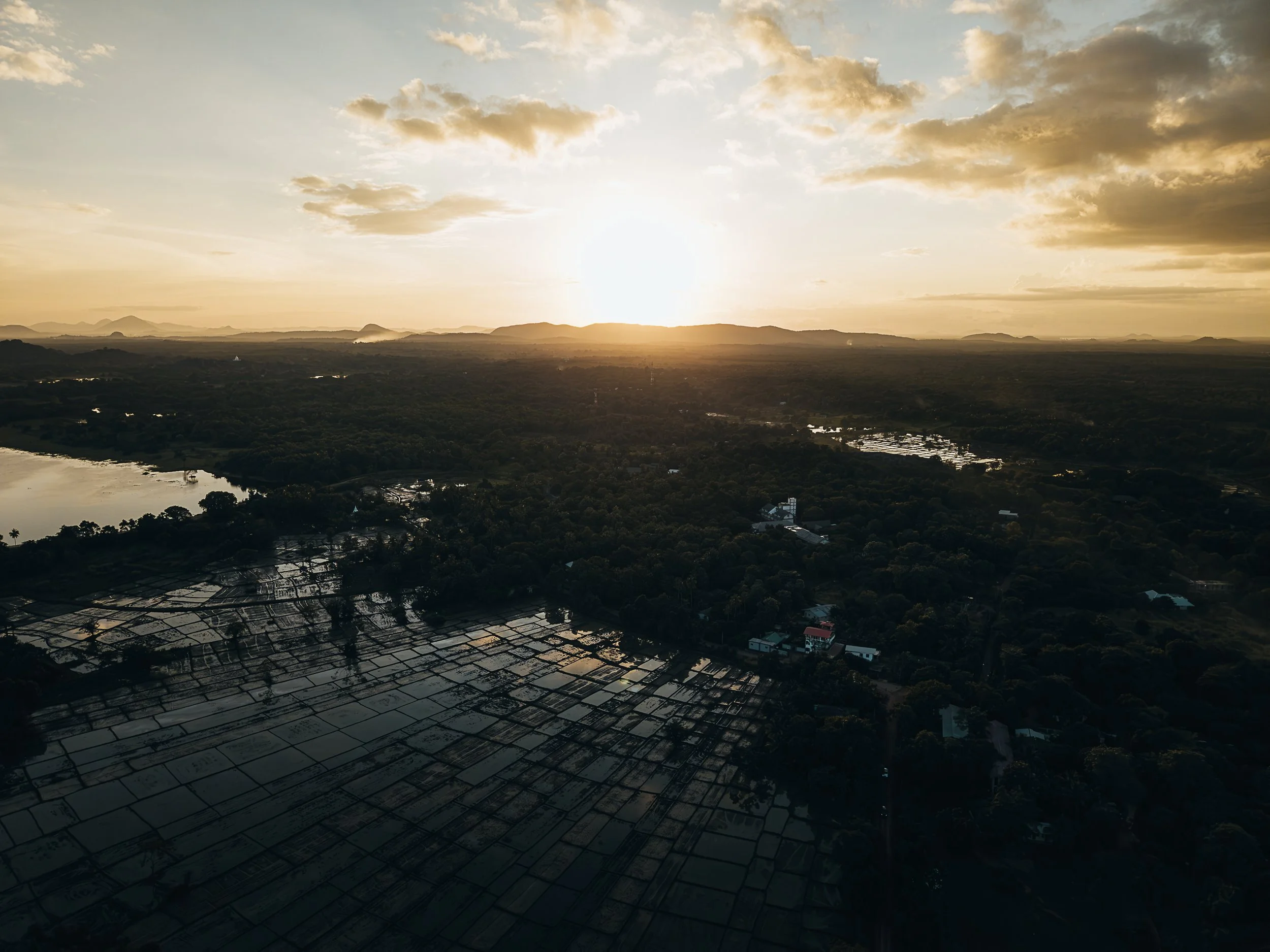
Where to stay | Where to eat in Sigiriya
Kumbukgaha Villa
Located away from the most touristy areas, Kumbukgaha Villa offers a peaceful and green setting, far from mass tourism. The reception, lobby and restaurant are all located in one area, creating a simple and friendly atmosphere. The rooms are spacious, comfortable and well integrated into the natural surroundings, ideal for relaxing after a busy day.
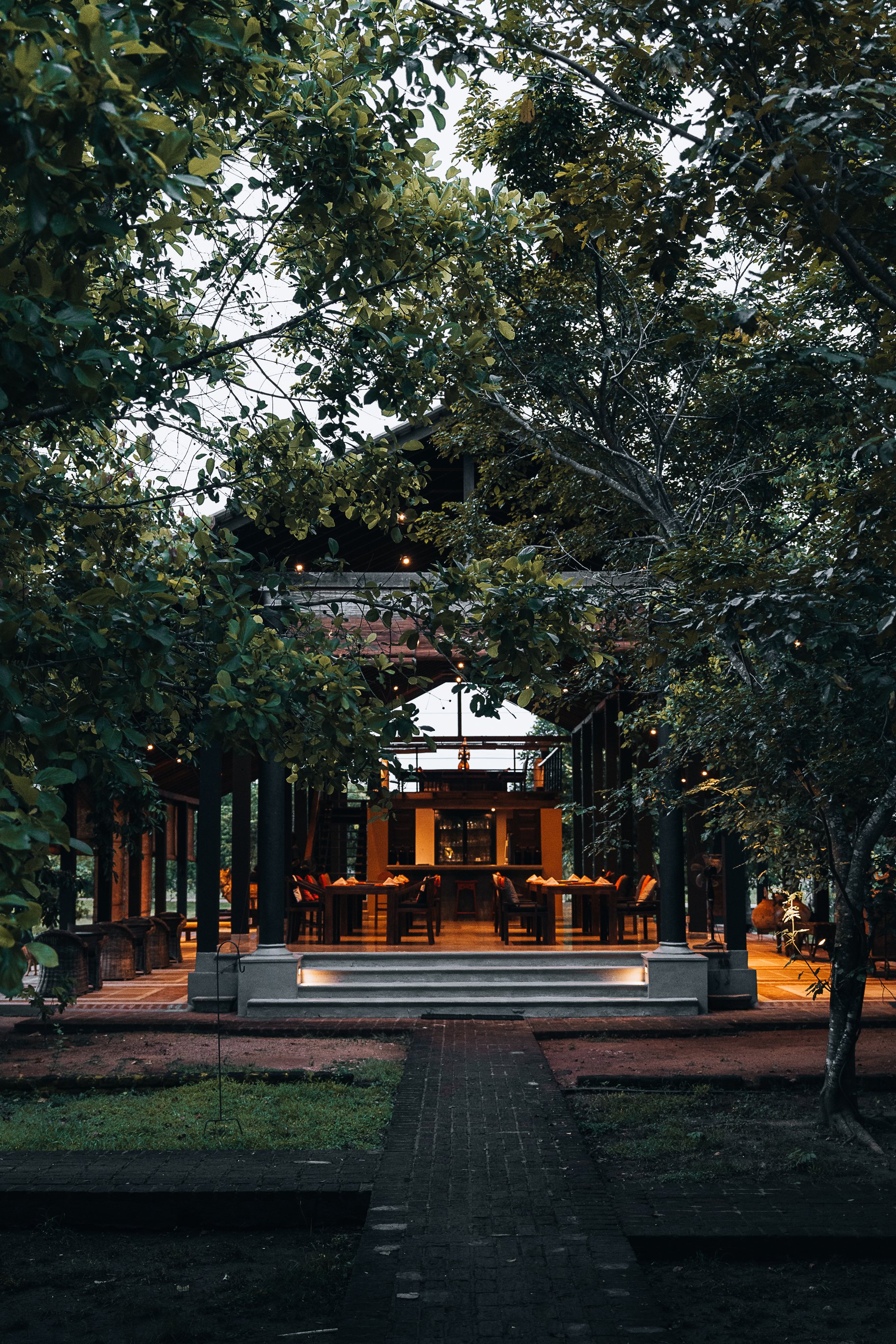
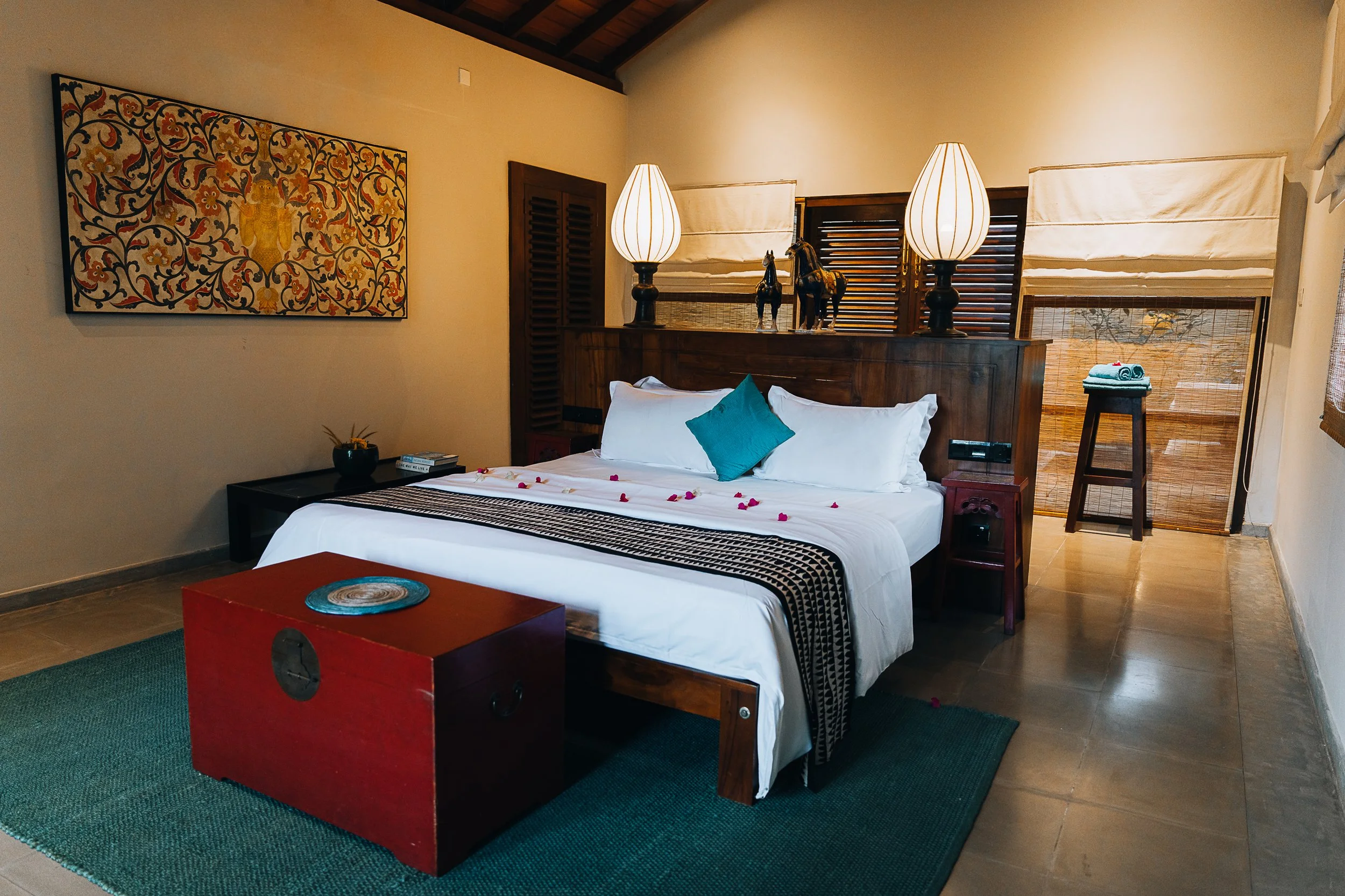
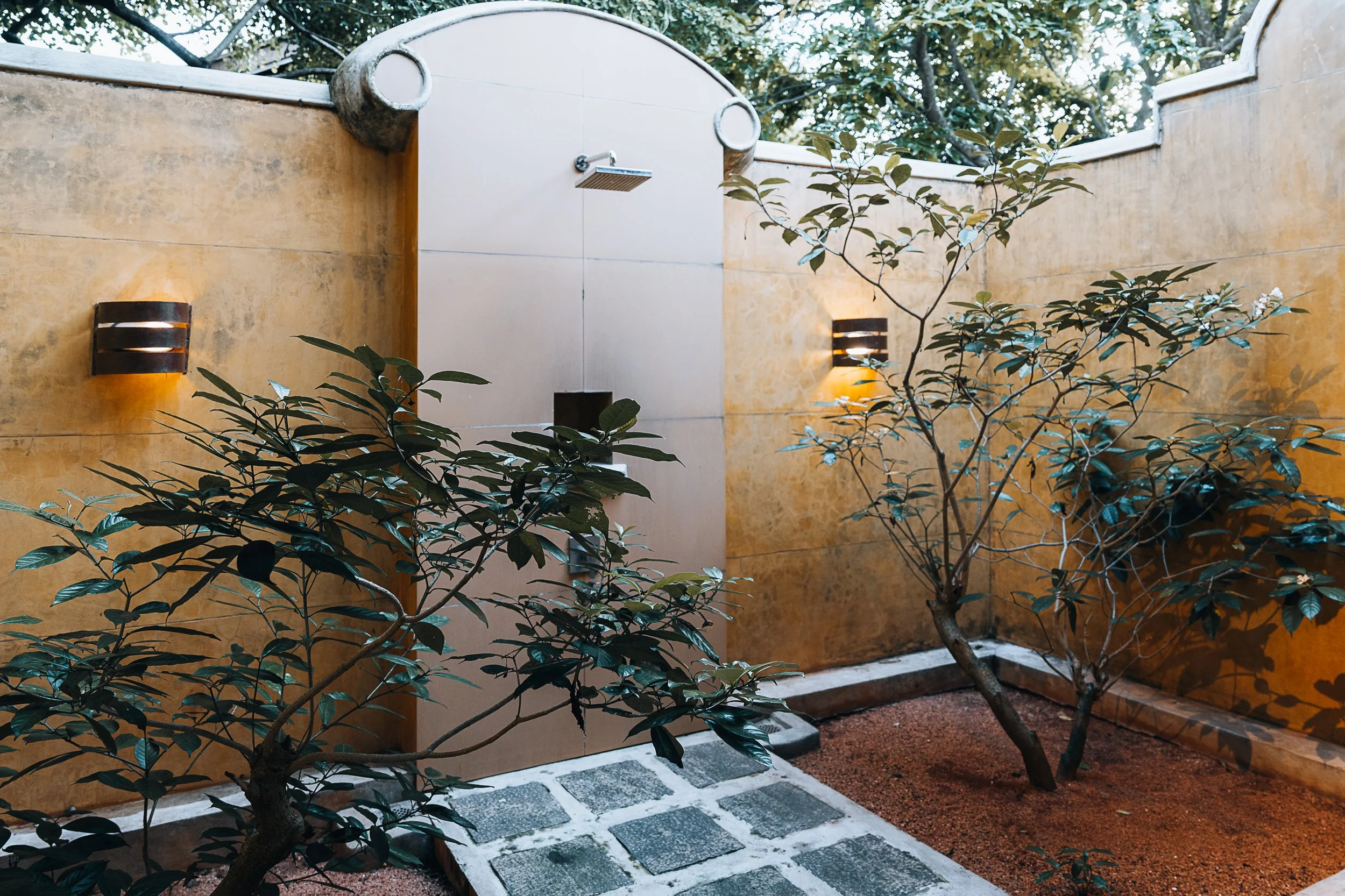
However, a few points are worth mentioning: during our stay, the swimming pool was not particularly inviting, as it lacked cleanliness. The outdoor bathrooms, which sound appealing on paper, also lose some of their charm in practice: as the bungalows are quite close to each other, there is limited privacy in terms of noise, and you can easily hear other guests.
Overall, it is a pleasant place to stay, especially for its tranquillity and surroundings, but there are a few details to consider depending on your expectations.
Soul Food
A simple and pleasant place to stop for lunch with a view, ideal between visits around Sigiriya. Unpretentious local cuisine, open setting surrounded by nature and breathtaking views of Lion Rock.
→ DOLUWA [ 2 nights ]
We leave Sigiriya and head for Doluwa, with an unmissable stop along the way: Kandy. It is on this stretch of road that we fully realise the attention and skill required to drive on Sri Lankan roads. The driving is intense, the buses travel fast, overtake without hesitation and seem to consider themselves to have right of way in all circumstances. Lalinda, our driver, handles it all with impressive calm as we pass through a succession of bustling small towns, improvised markets and chaotic crossroads.
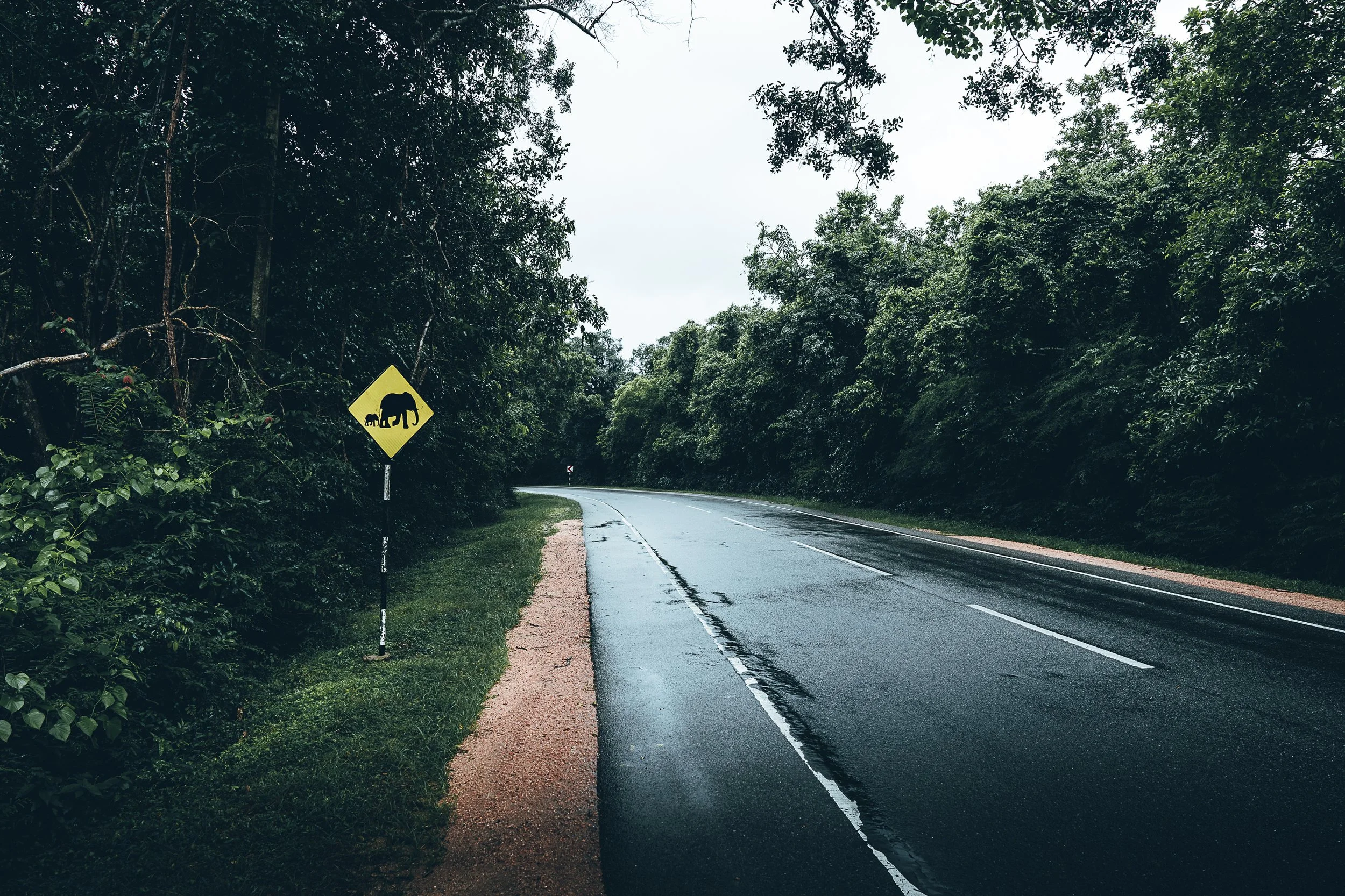
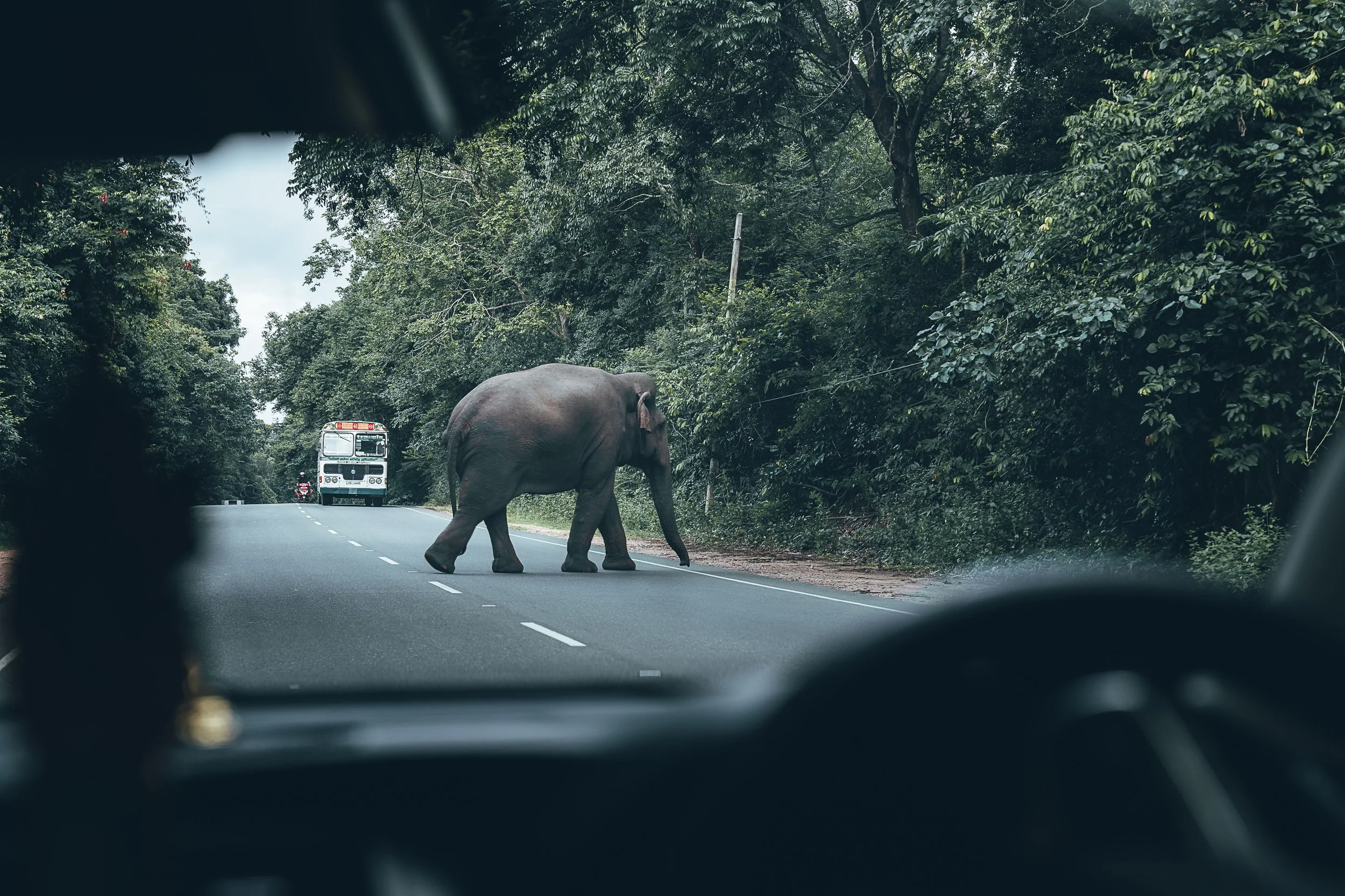
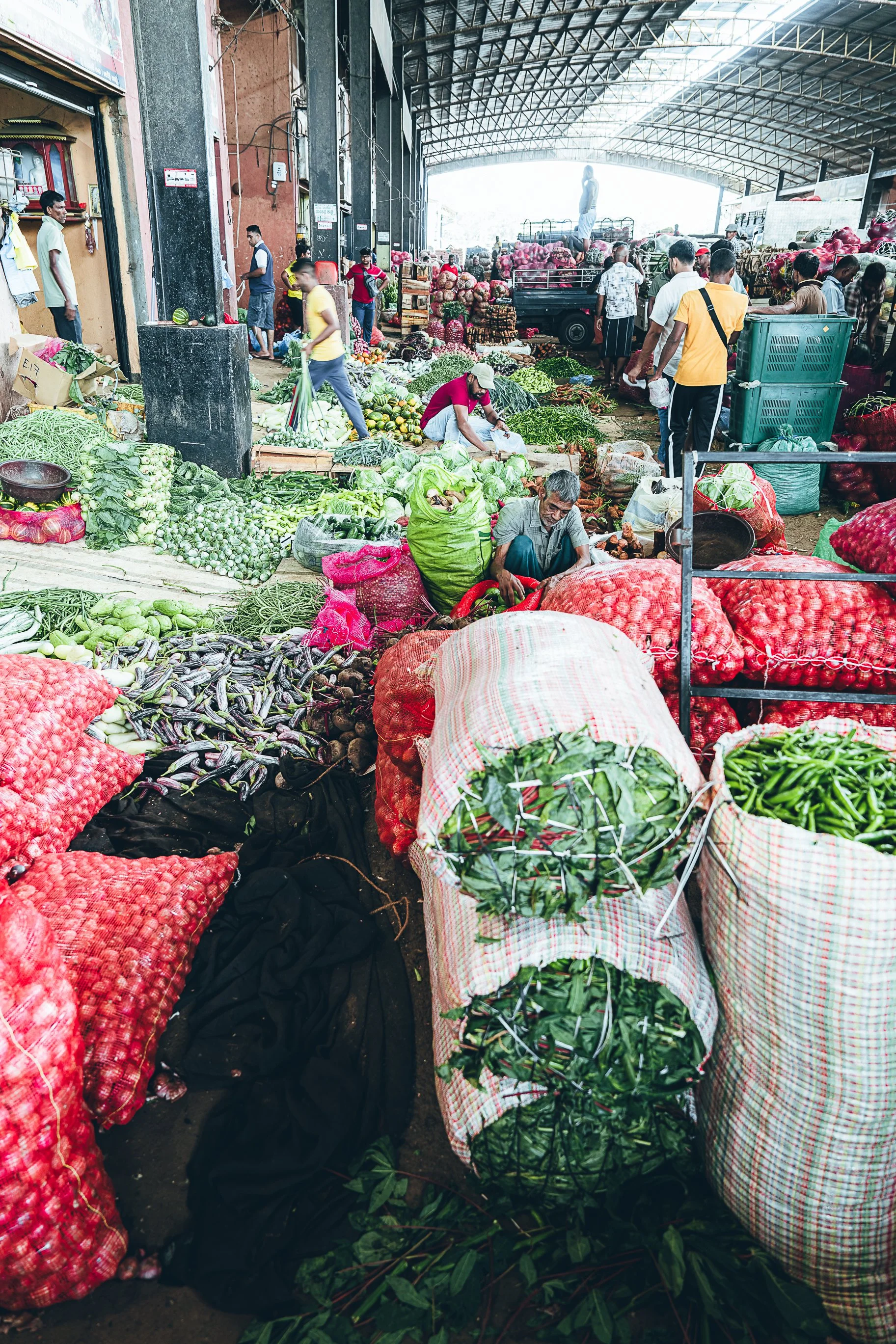
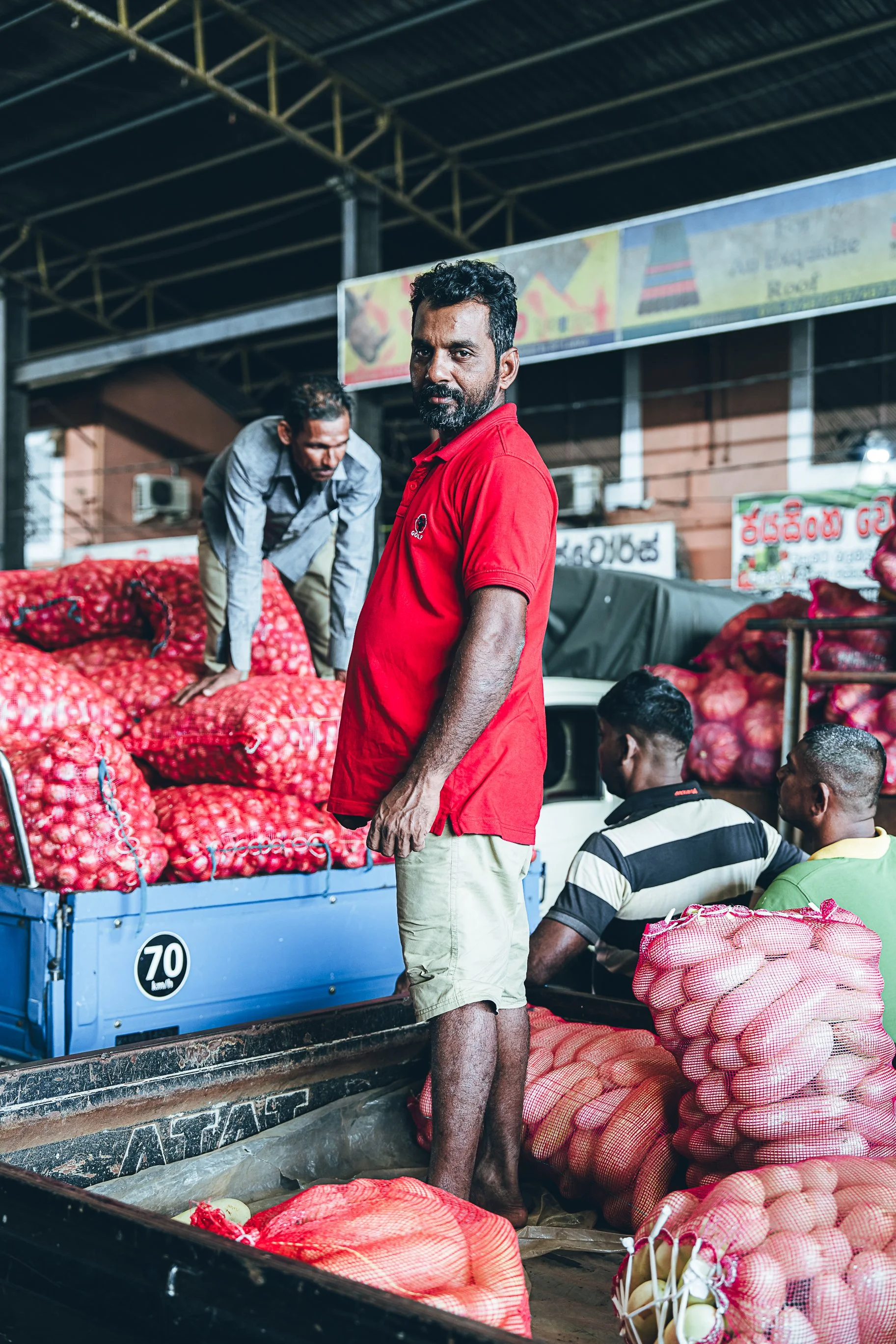
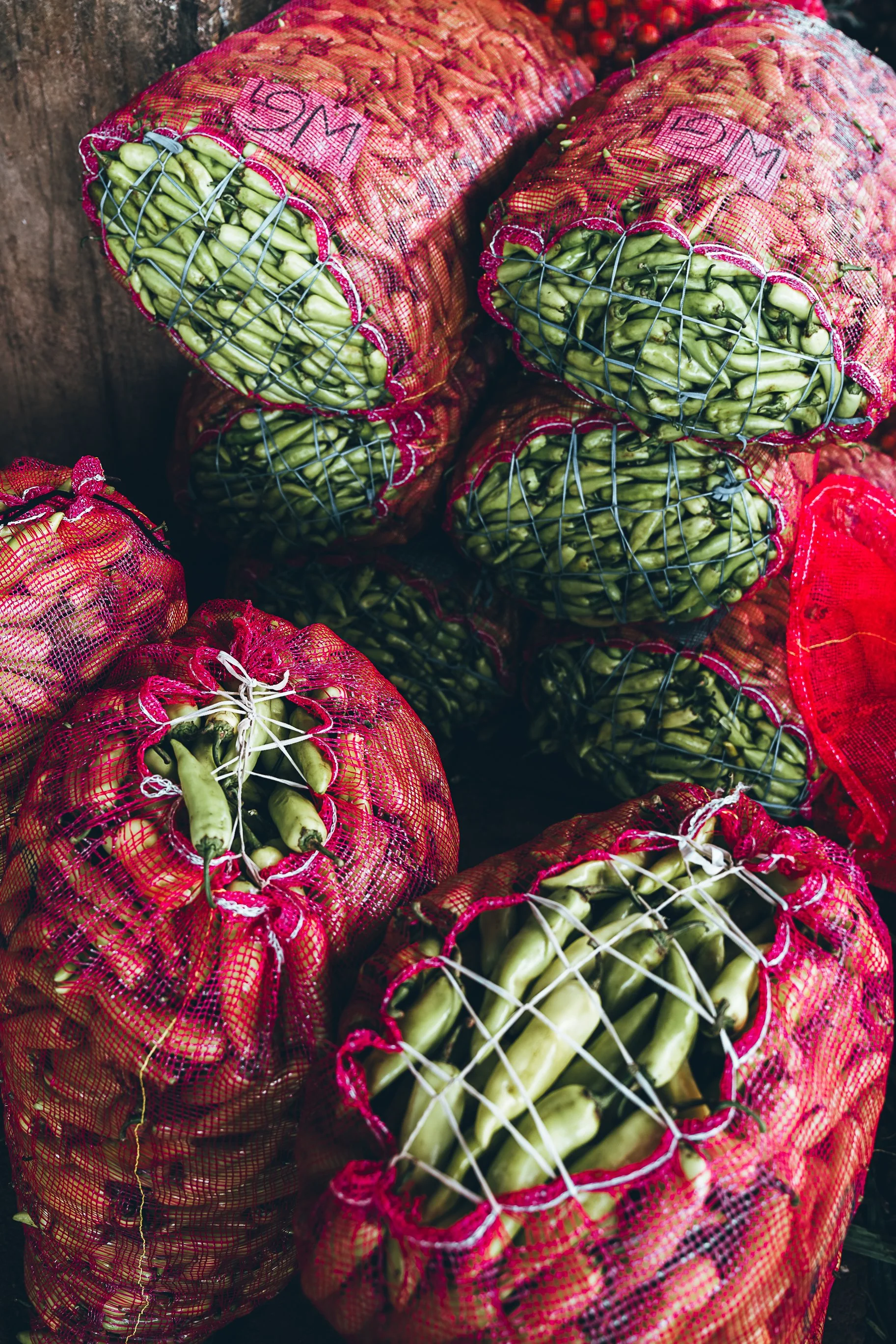
First notable stop: the wholesale vegetable market in Dambulla. The atmosphere is raw and spectacular. Trucks arrive constantly, loaded to the brim, while others leave immediately. Mountains of vegetables are piled high on the ground, men load, unload, shout and negotiate. Everything moves very quickly, in a chaotic but perfectly organised energy.
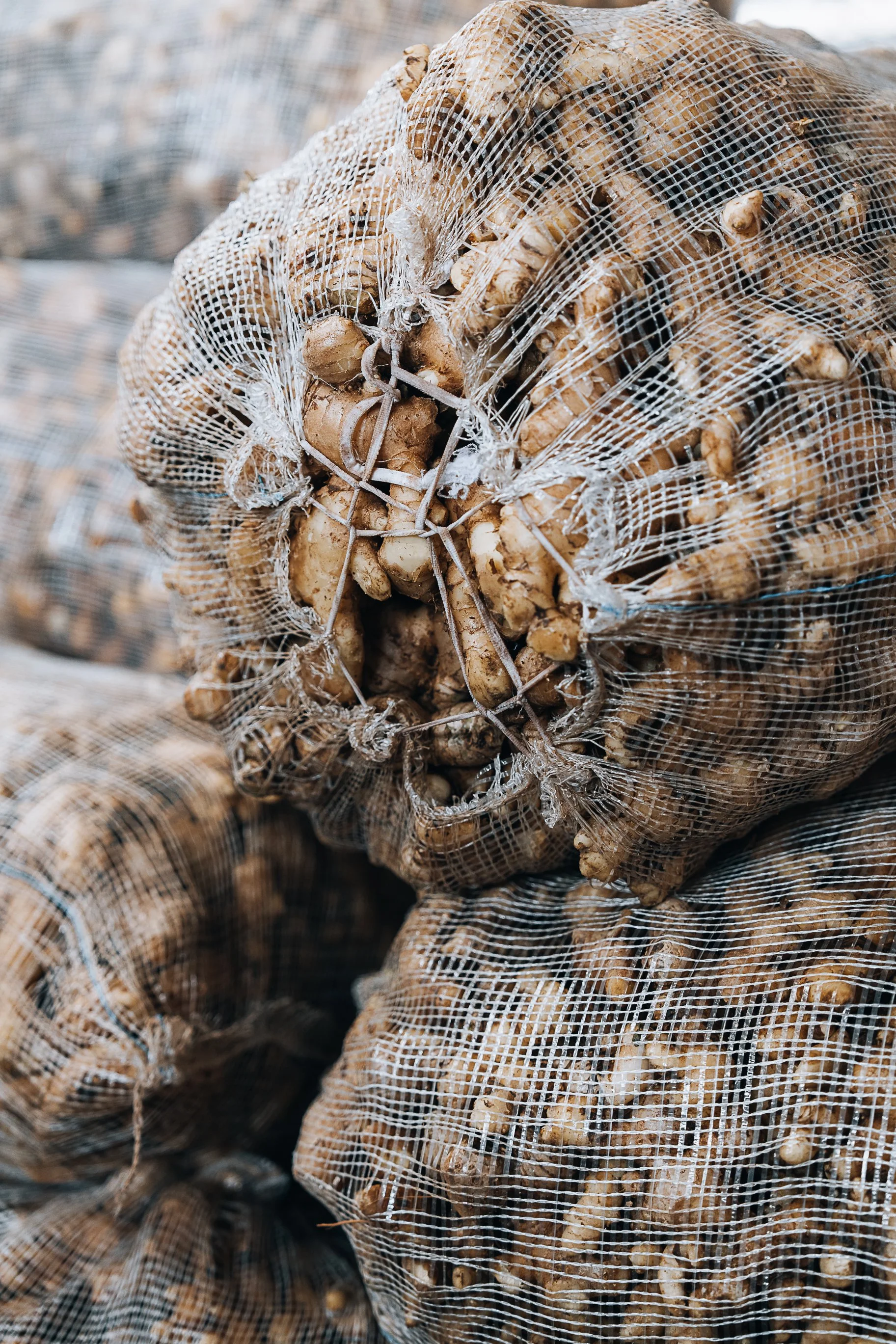
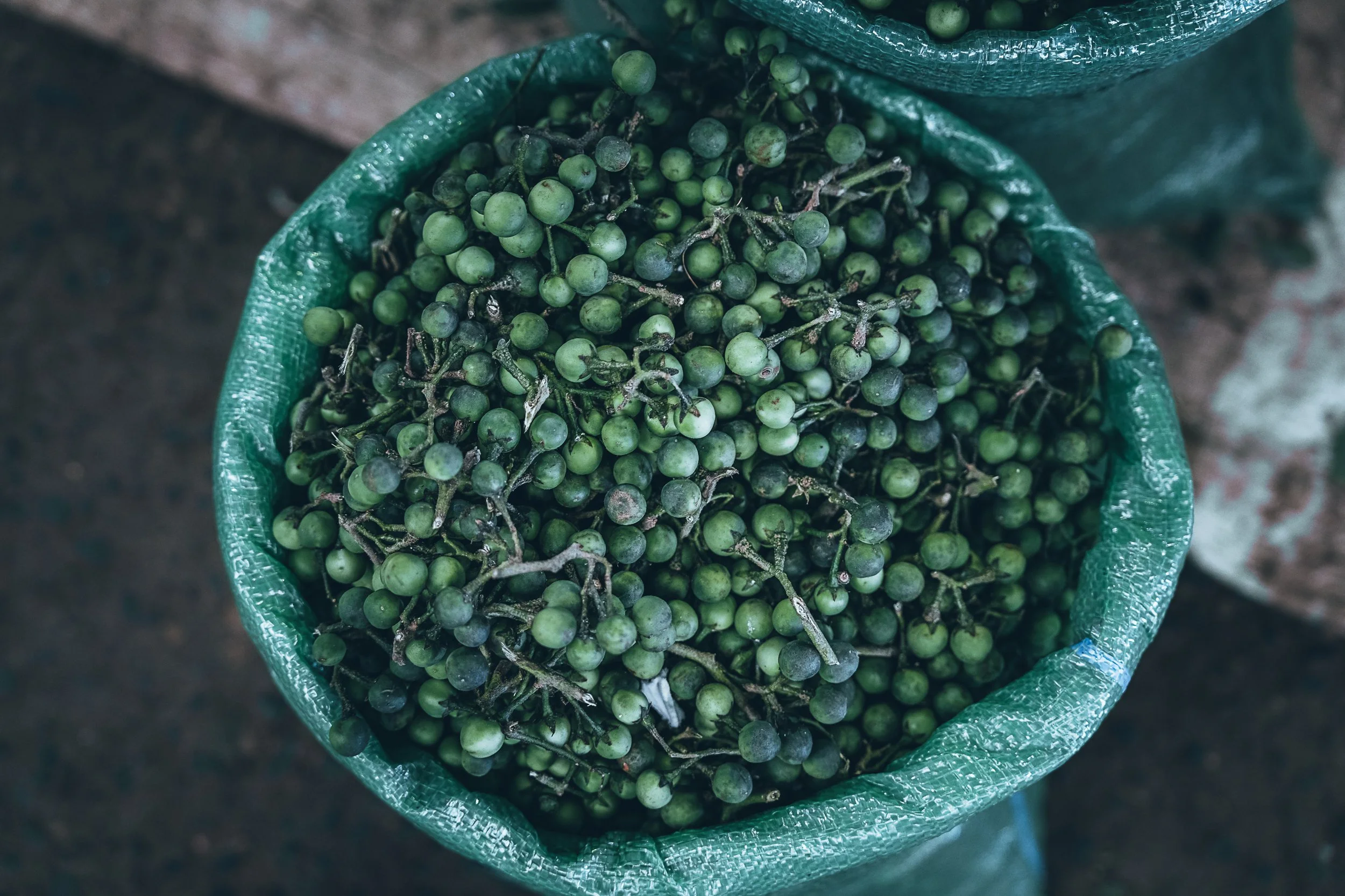
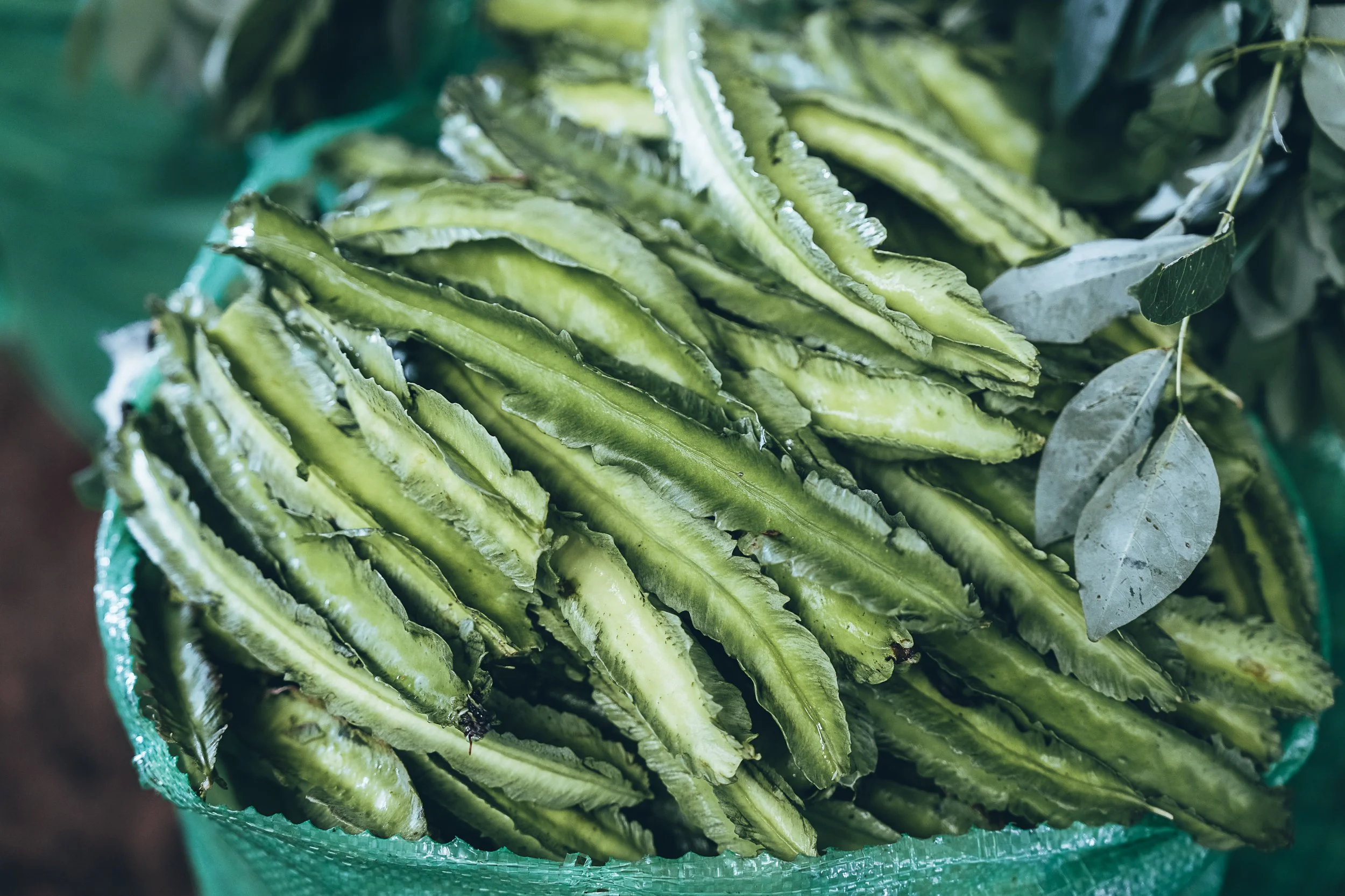
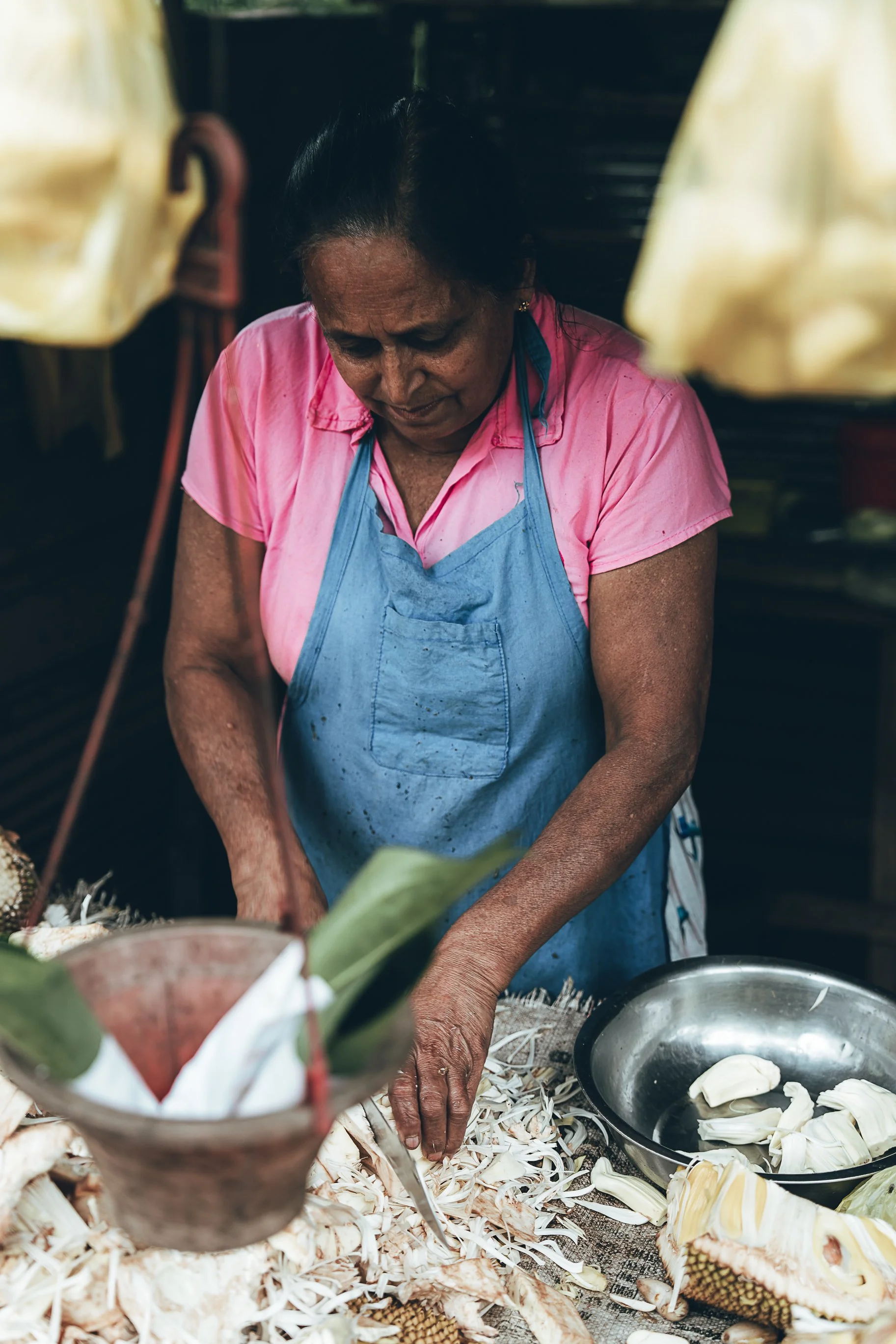
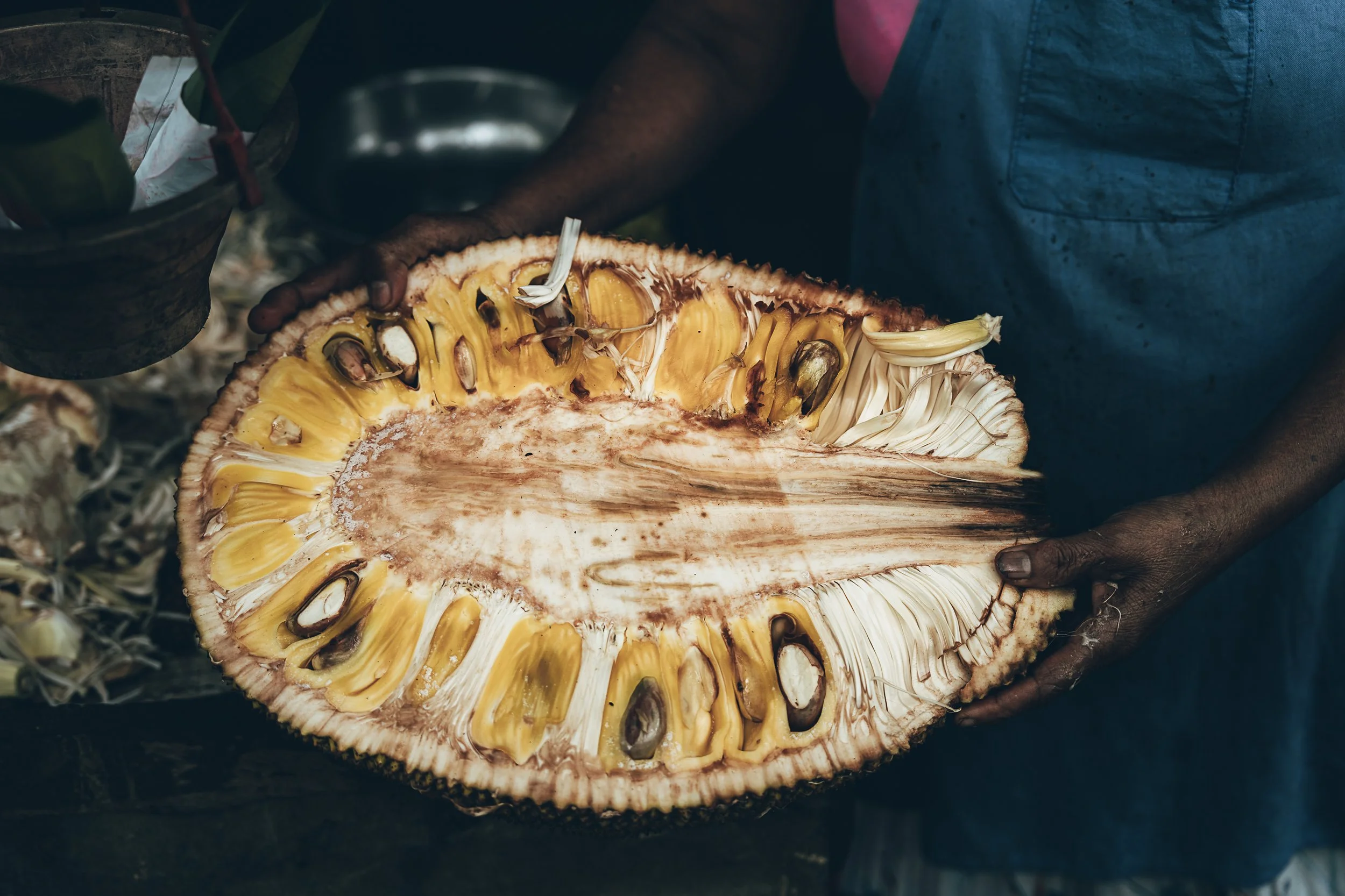
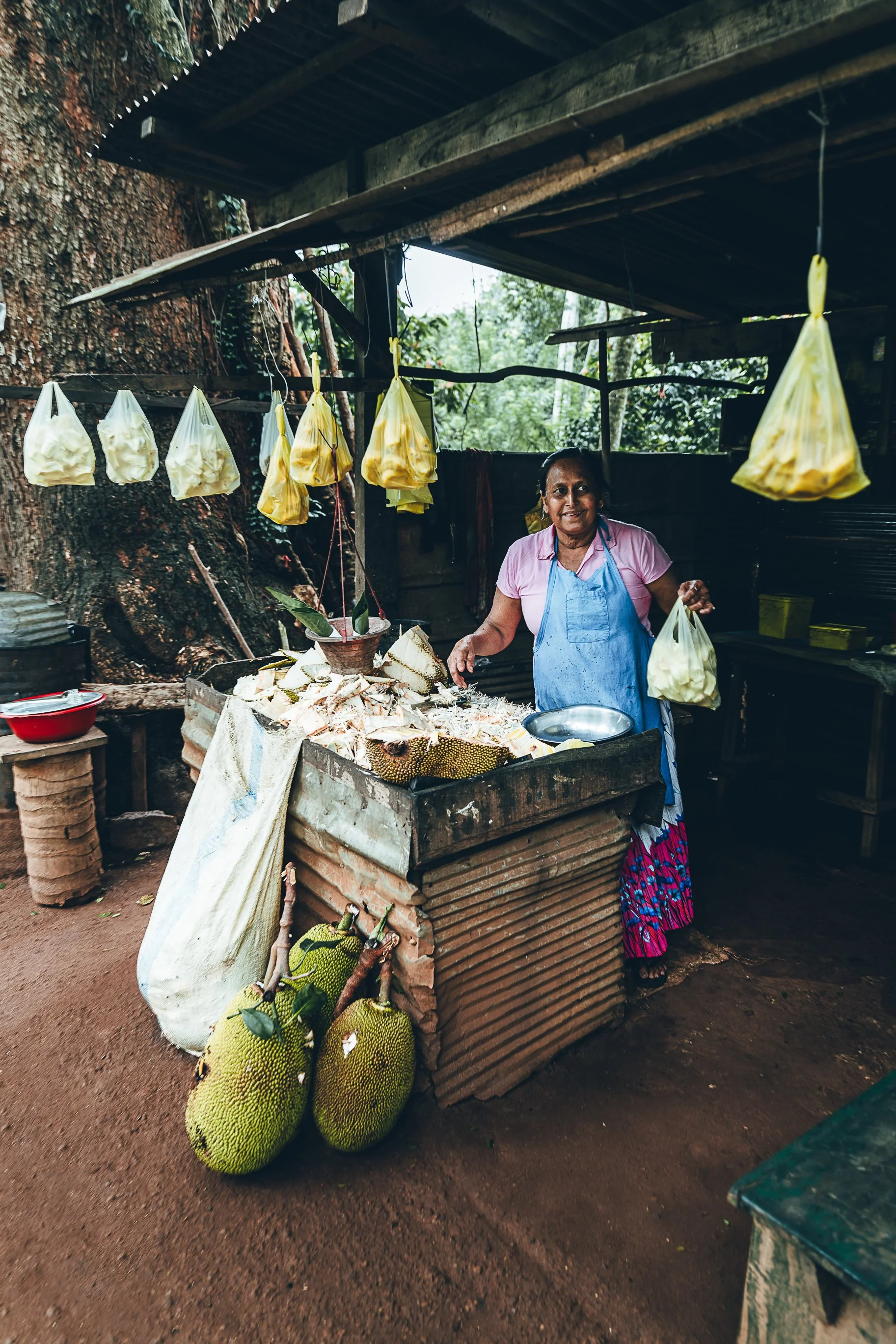
After visiting the wholesale fruit and vegetable market in Dambulla, Lalinda makes an impromptu stop on the road to Kandy. At a small roadside stall, he offers us a taste of jackfruit. Marc, ever curious, doesn't hesitate for a second. Verdict: we love it. Its texture and taste immediately win us over. We find it almost a shame that this fruit, so emblematic of Sri Lanka, is rarely offered in most of our accommodations.
Kandy
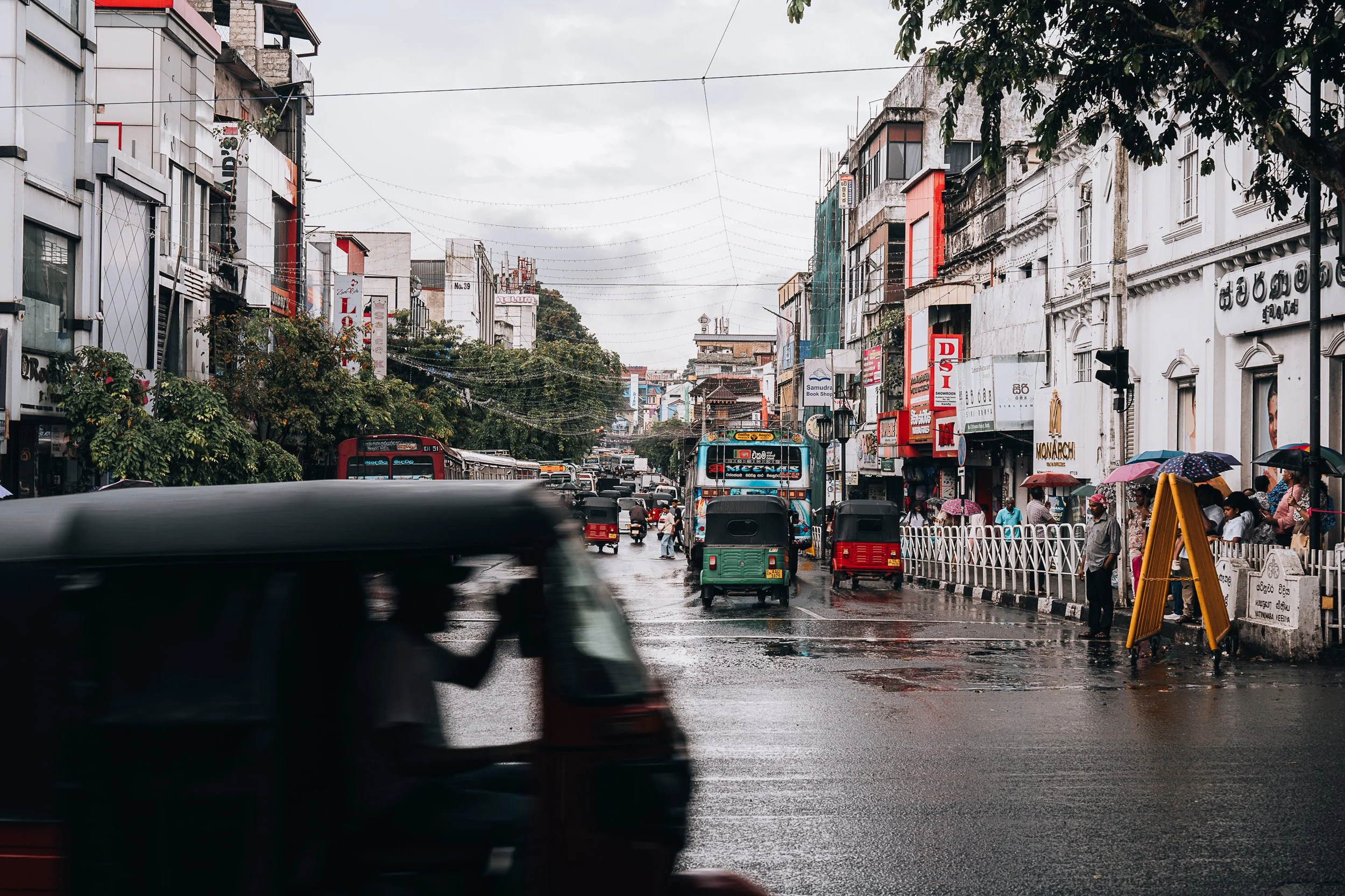
We then continue on to Kandy. The city welcomes us with its constant hustle and bustle, between heavy traffic, shops, passers-by and tuk-tuks. Despite the sudden downpour of rain — a veritable tropical deluge — we enjoy wandering through these lively and intense streets, soaked but curious.
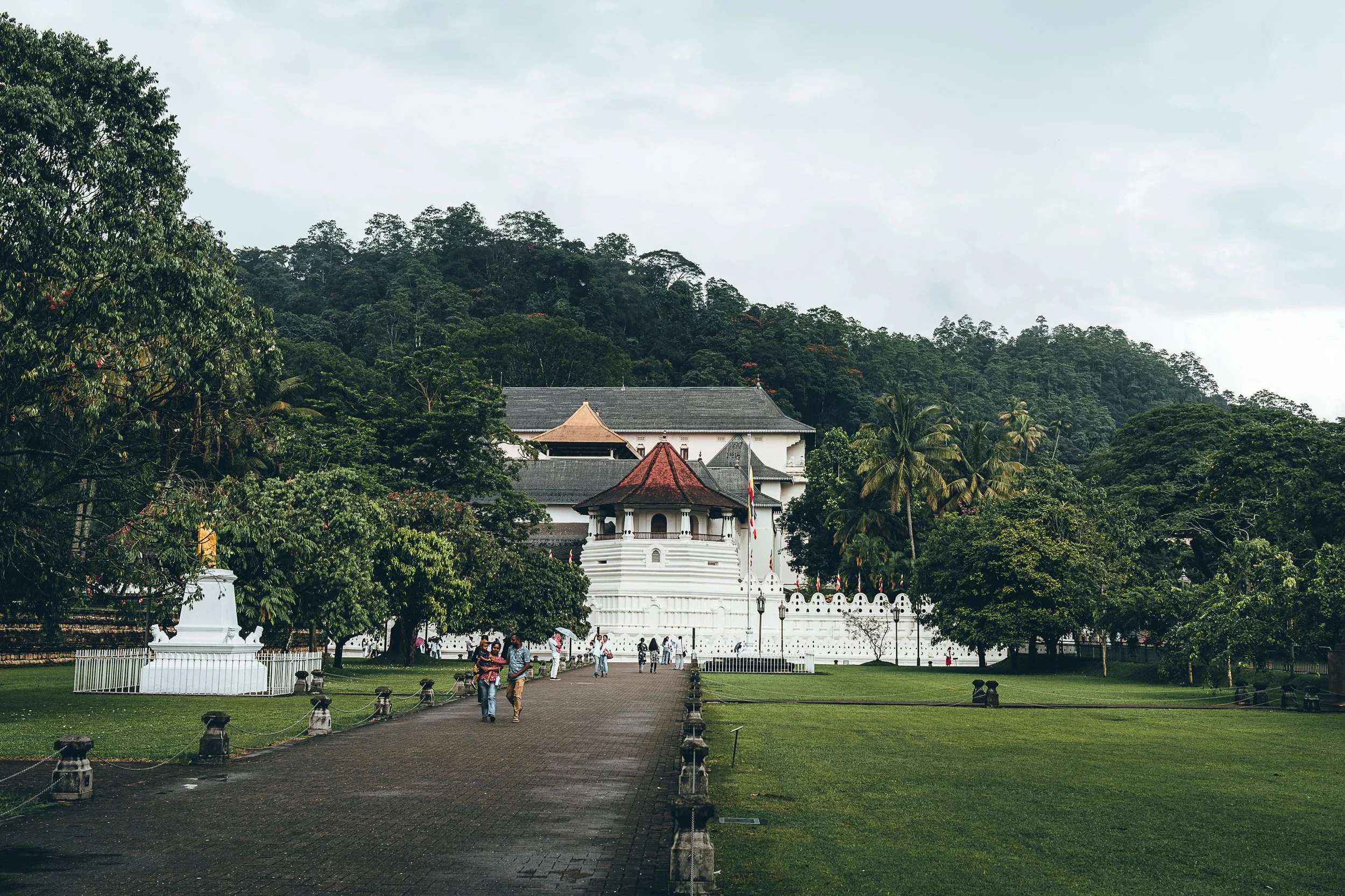
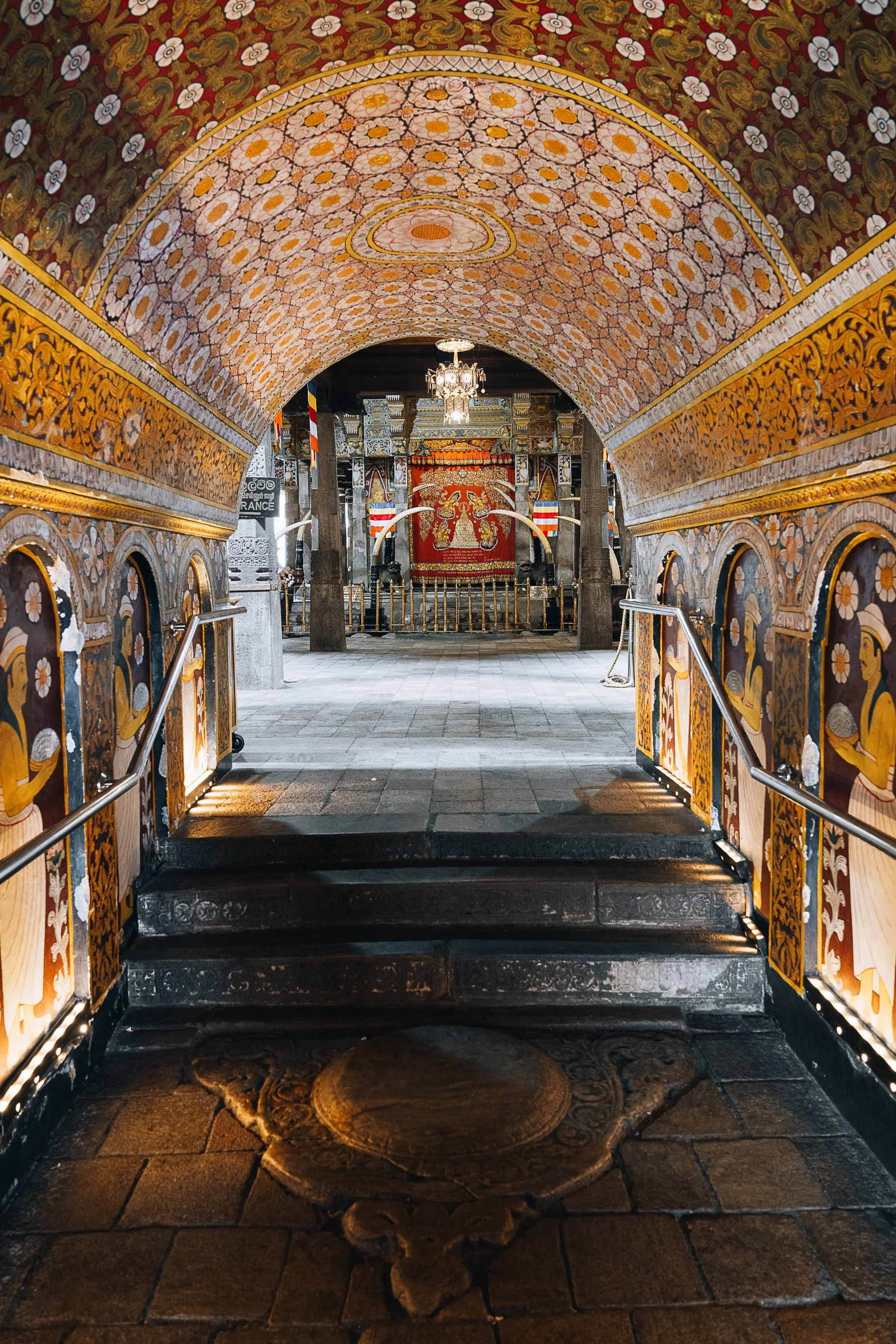
We end this stop with a visit to the Temple of the Tooth, one of the most sacred places in Sri Lanka. This temple is said to house a relic of Buddha's tooth, which is carefully preserved and revered by the faithful. The atmosphere is solemn, punctuated by offerings, prayers and the comings and goings of pilgrims. At the end of the day, we reach our accommodation, Ellerton Bungalow, perched in the hills south of Kandy, far from the hustle and bustle of the city.
Doluwa
The next day, during our day in Ellerton, we set off in the morning by tuk-tuk for a short trip to an artisan tea factory. It was a choice we did not regret for a second. Once there, Sebastian, the owner and third-generation tea producer, welcomed us personally. There was nothing touristy or staged about the place: the factory is not a commercial operation open to groups. We were the only visitors, which made the experience particularly peaceful, authentic and informative.
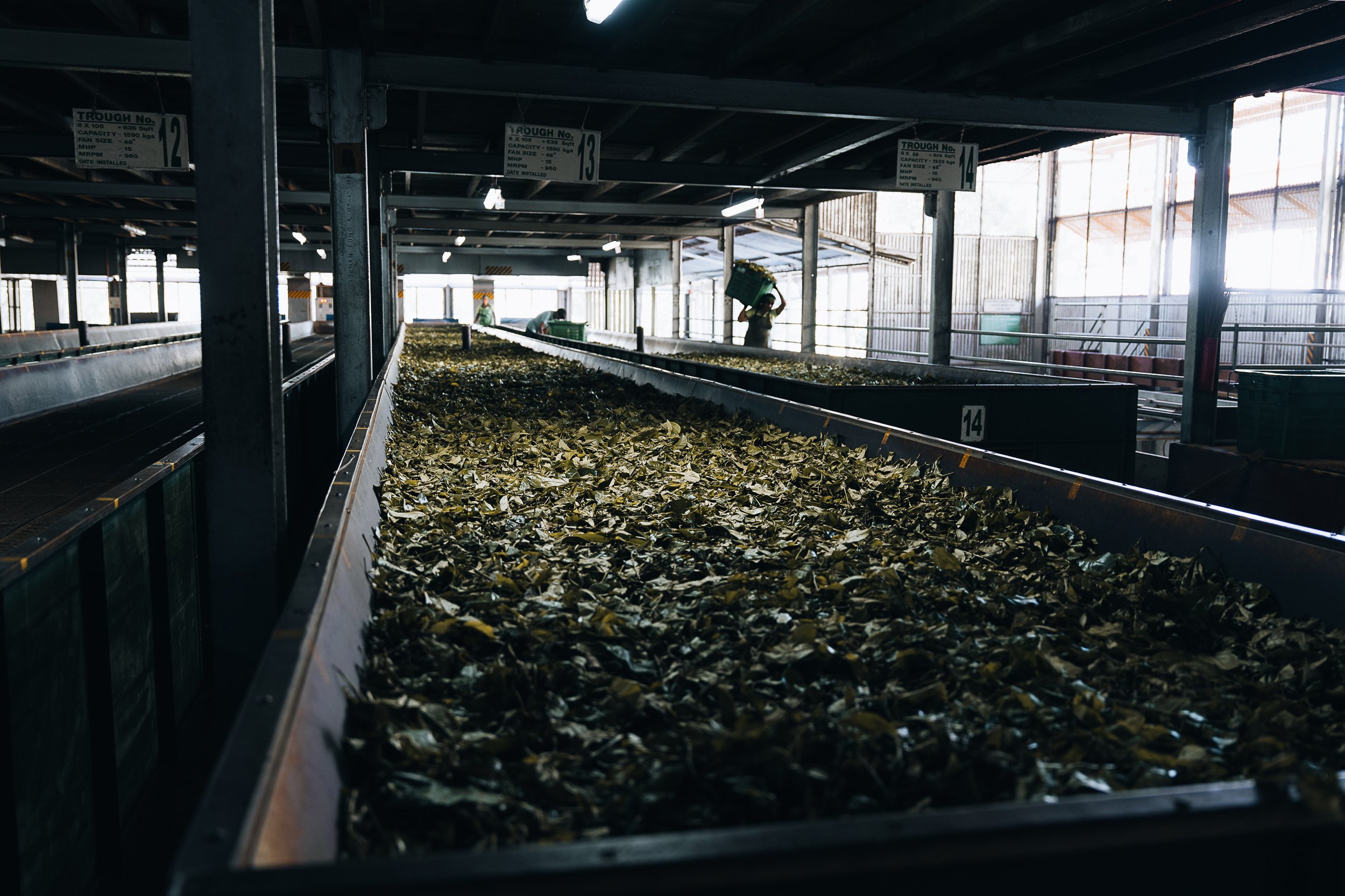
Sebastian takes the time to explain, step by step, the entire tea-making process: from the freshly picked leaf to the final product. His explanations are precise and passionate, giving us a better understanding of the complexity and expertise behind each cup. We immediately sense the deep connection between the land, the climate and human labour. The tour ends with a tasting... a cup of freshly brewed tea, which we savour all the more after discovering the journey these leaves have taken.
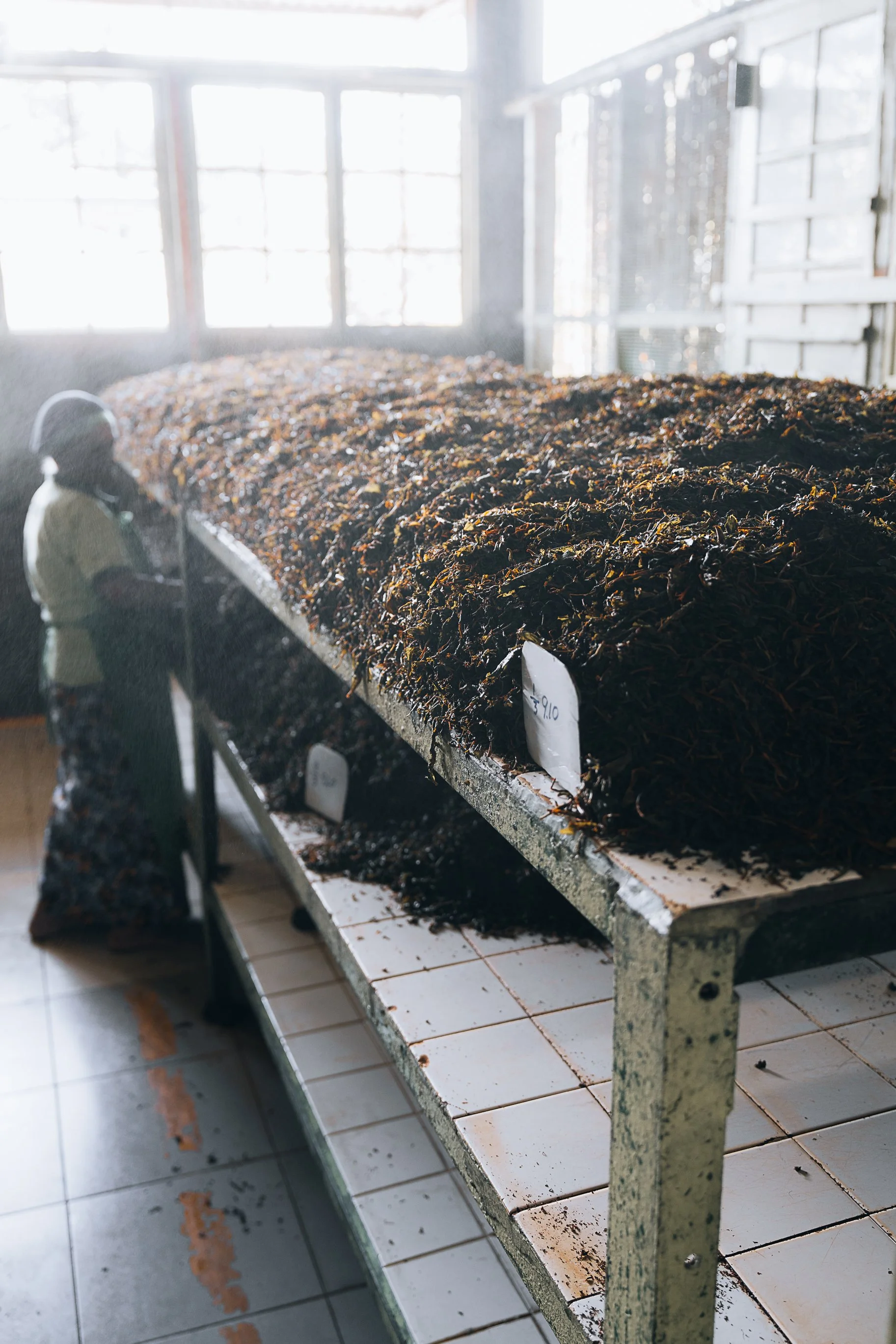
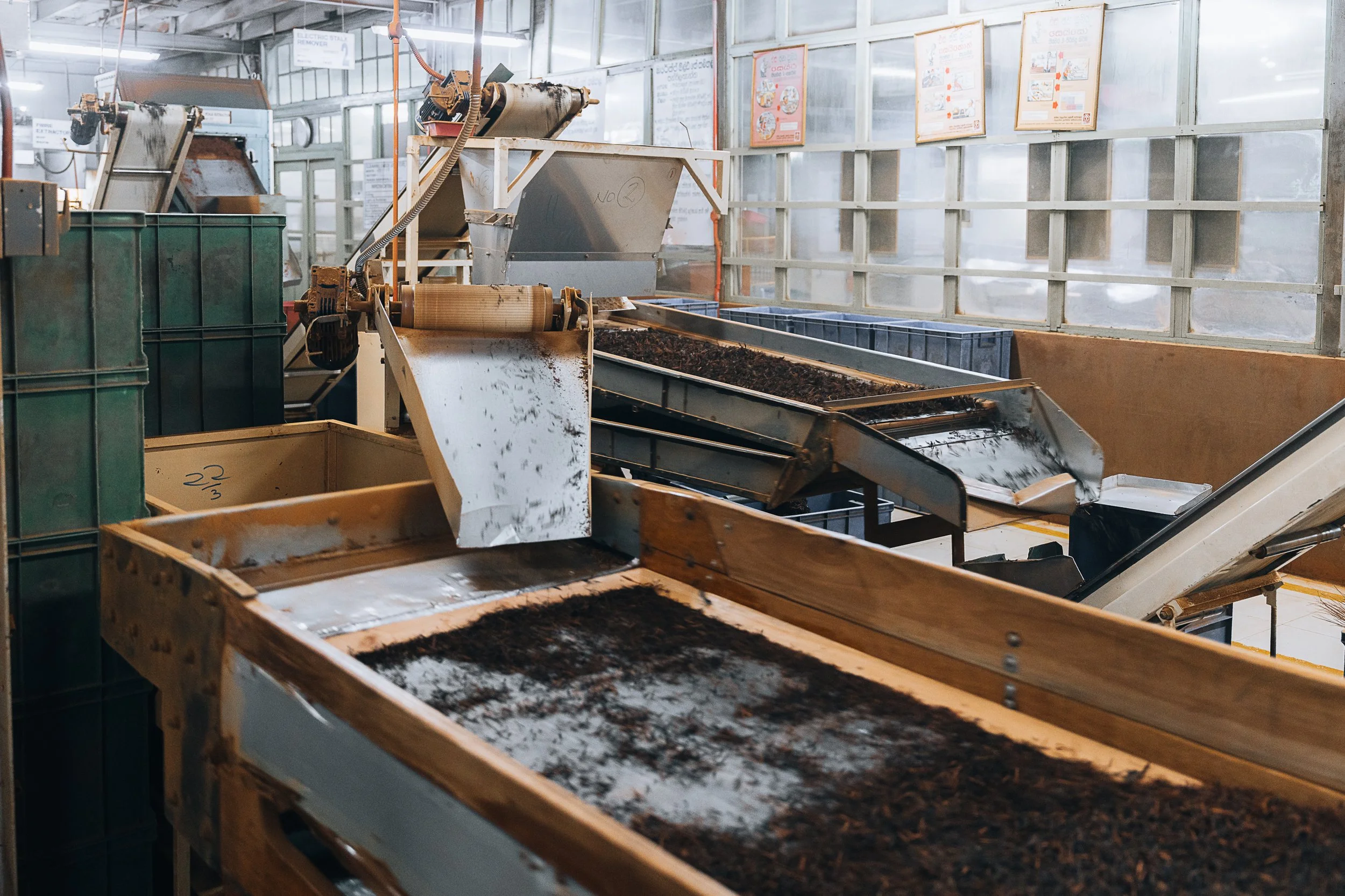
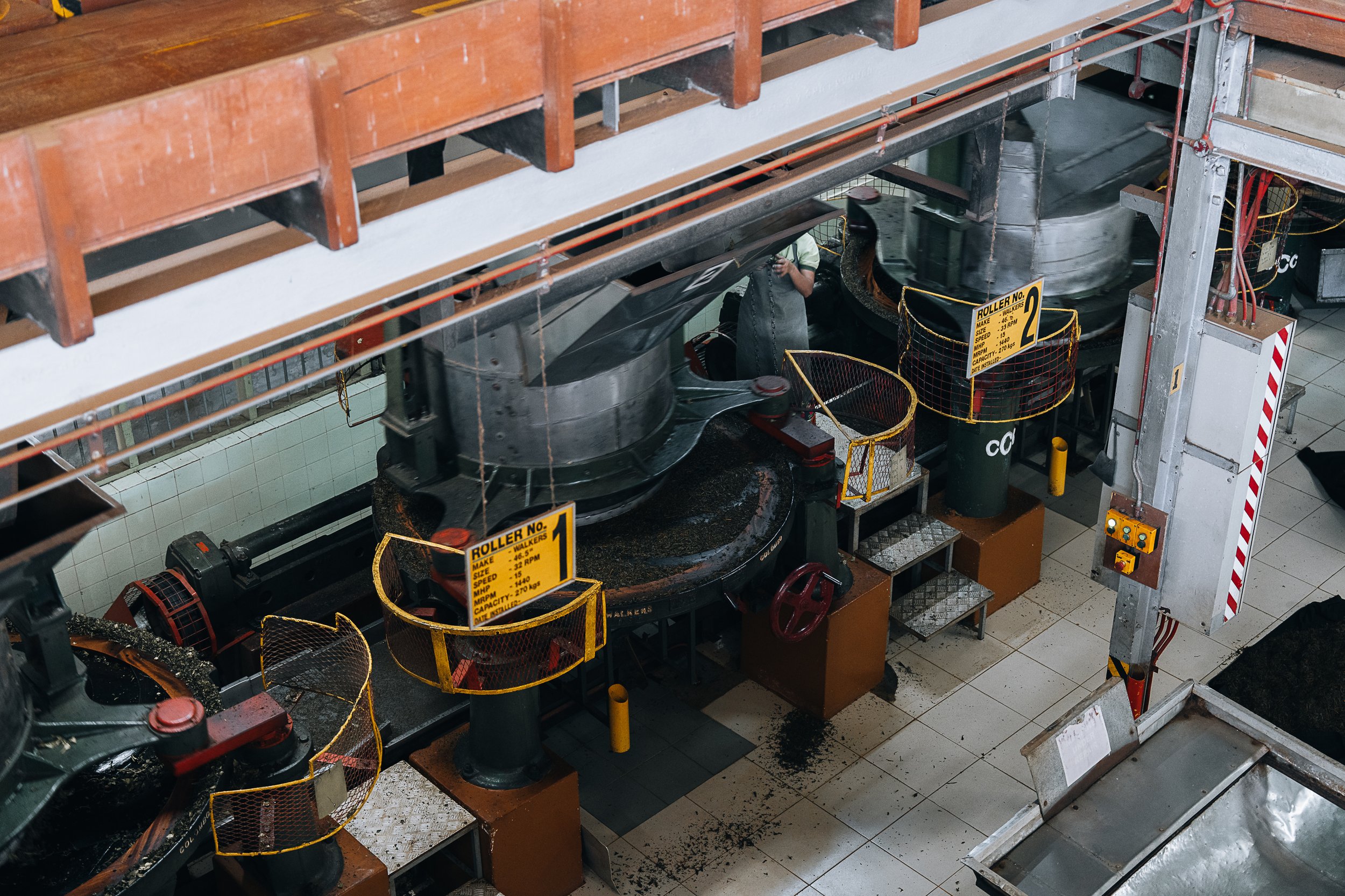
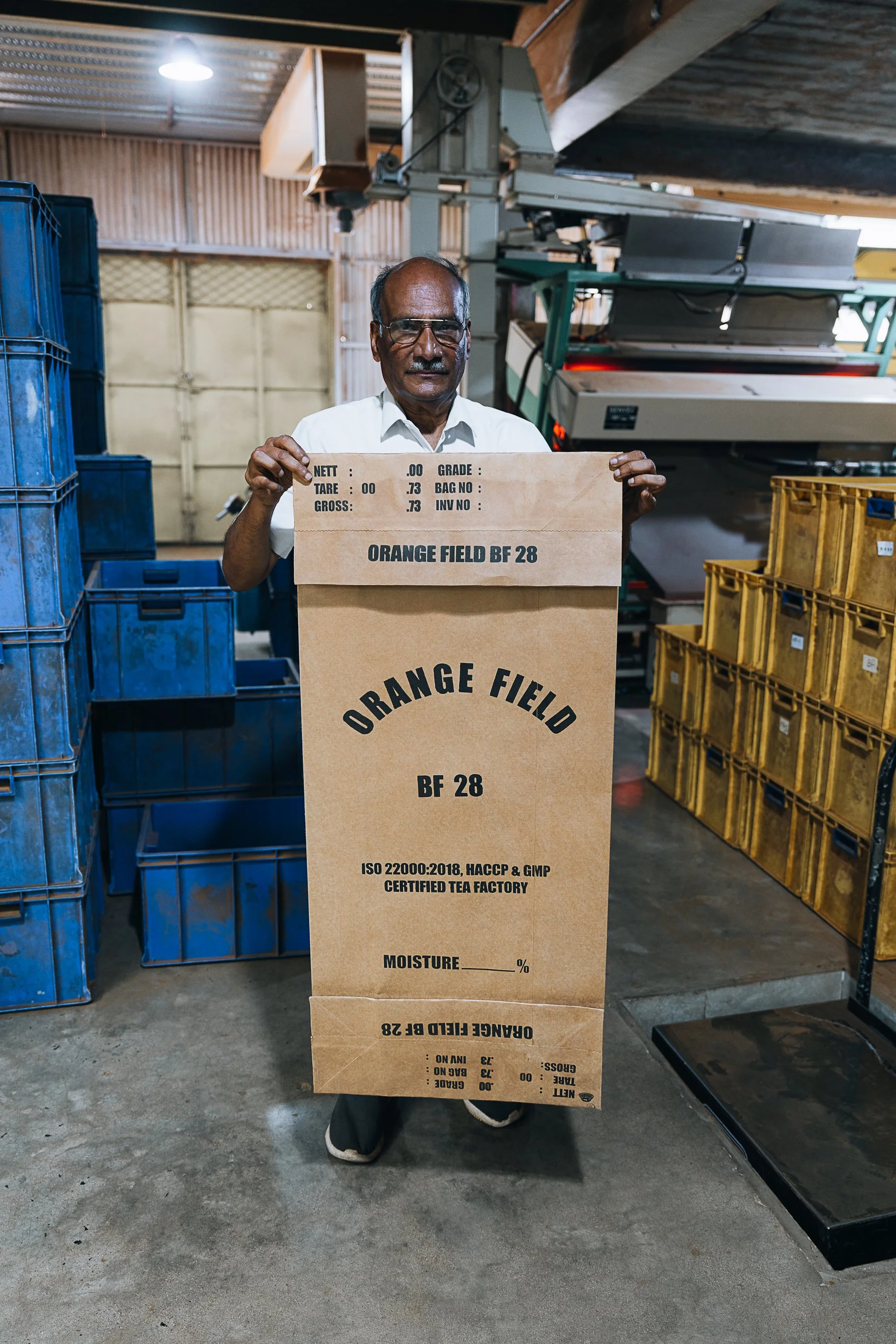
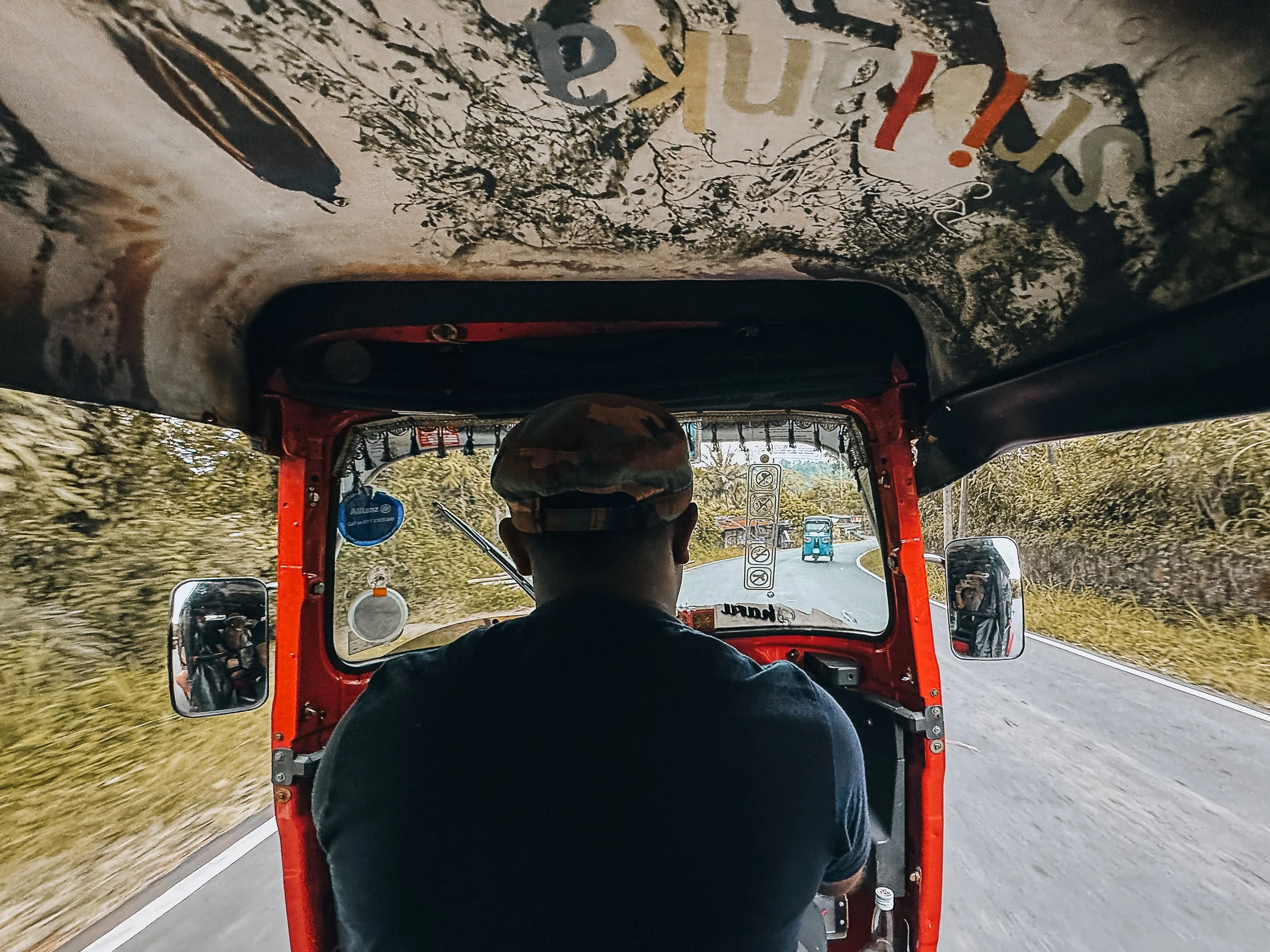
Although you can visit with your own driver, the tuk-tuk ride with Dixon adds extra charm to the experience. It's a local way to travel along the small roads surrounded by plantations, perfectly suited to this short getaway. Dixon takes the time to make a detour on the way back so we can walk along a ridge and admire the surrounding hills and tea plantations surrounded by vegetation.
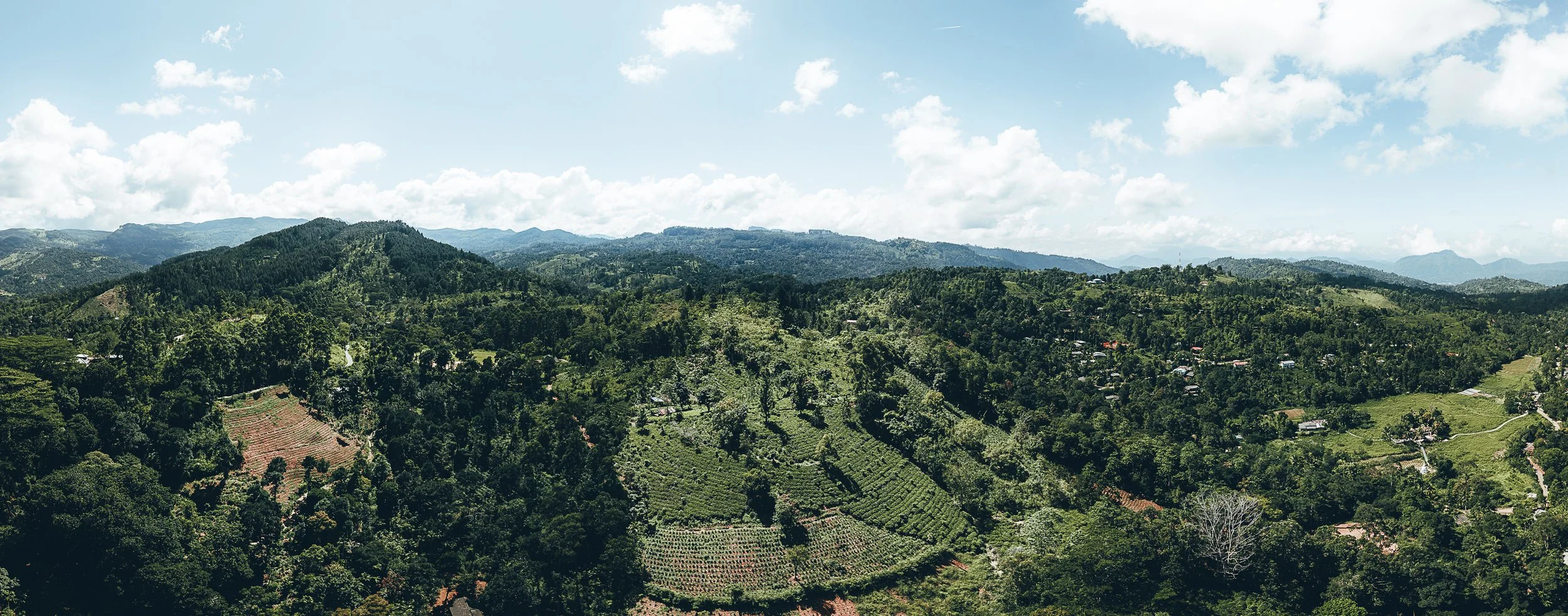
After a relaxing break by the pool, we set off again at the end of the day with Dixon, still aboard his colourful and carefully customised tuk-tuk. This time, the atmosphere changes: loud music, laughter, and winding roads, a festive atmosphere... through the countryside towards Ganegoda Temple, nestled in the heart of the rice fields.
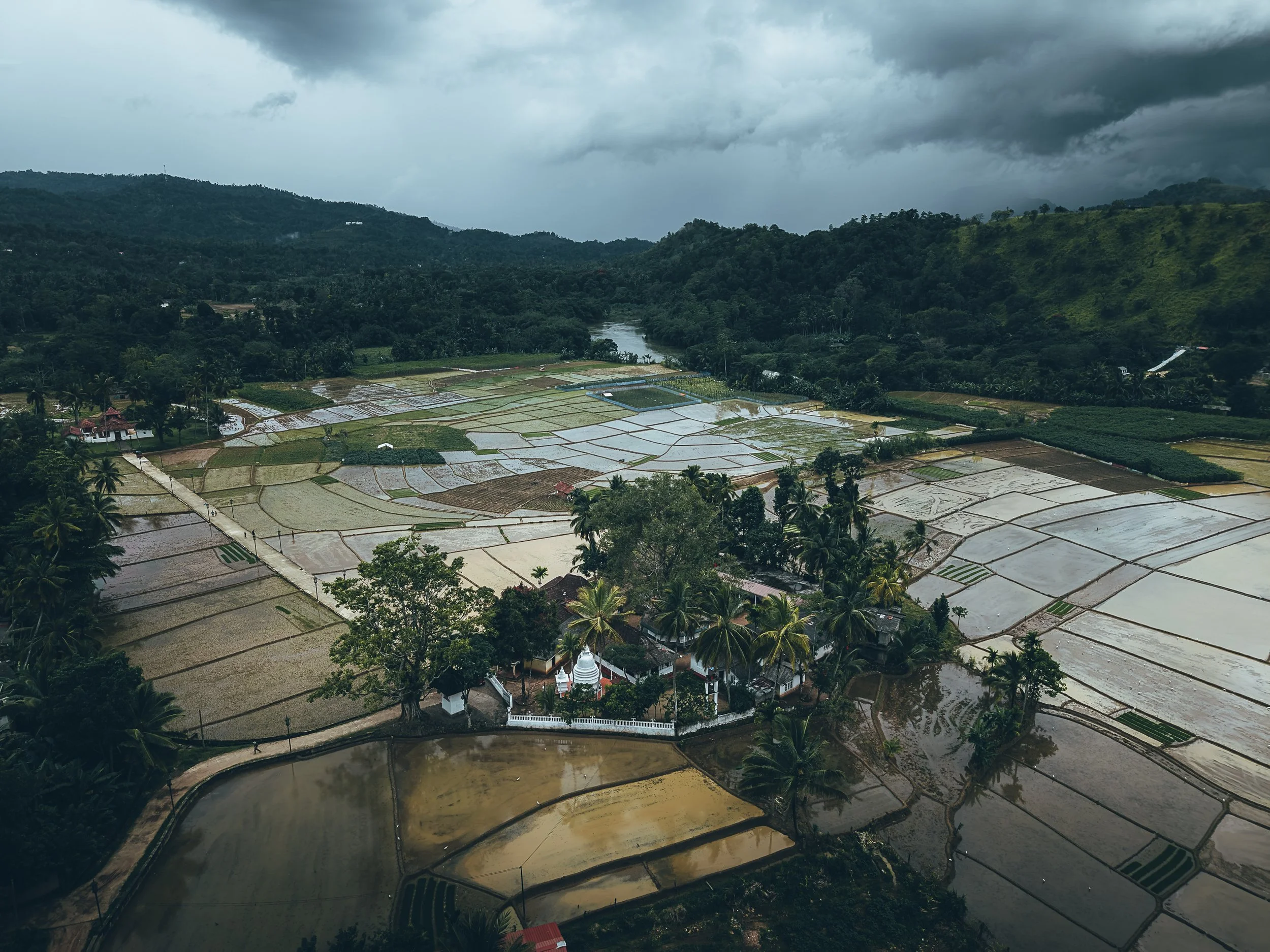
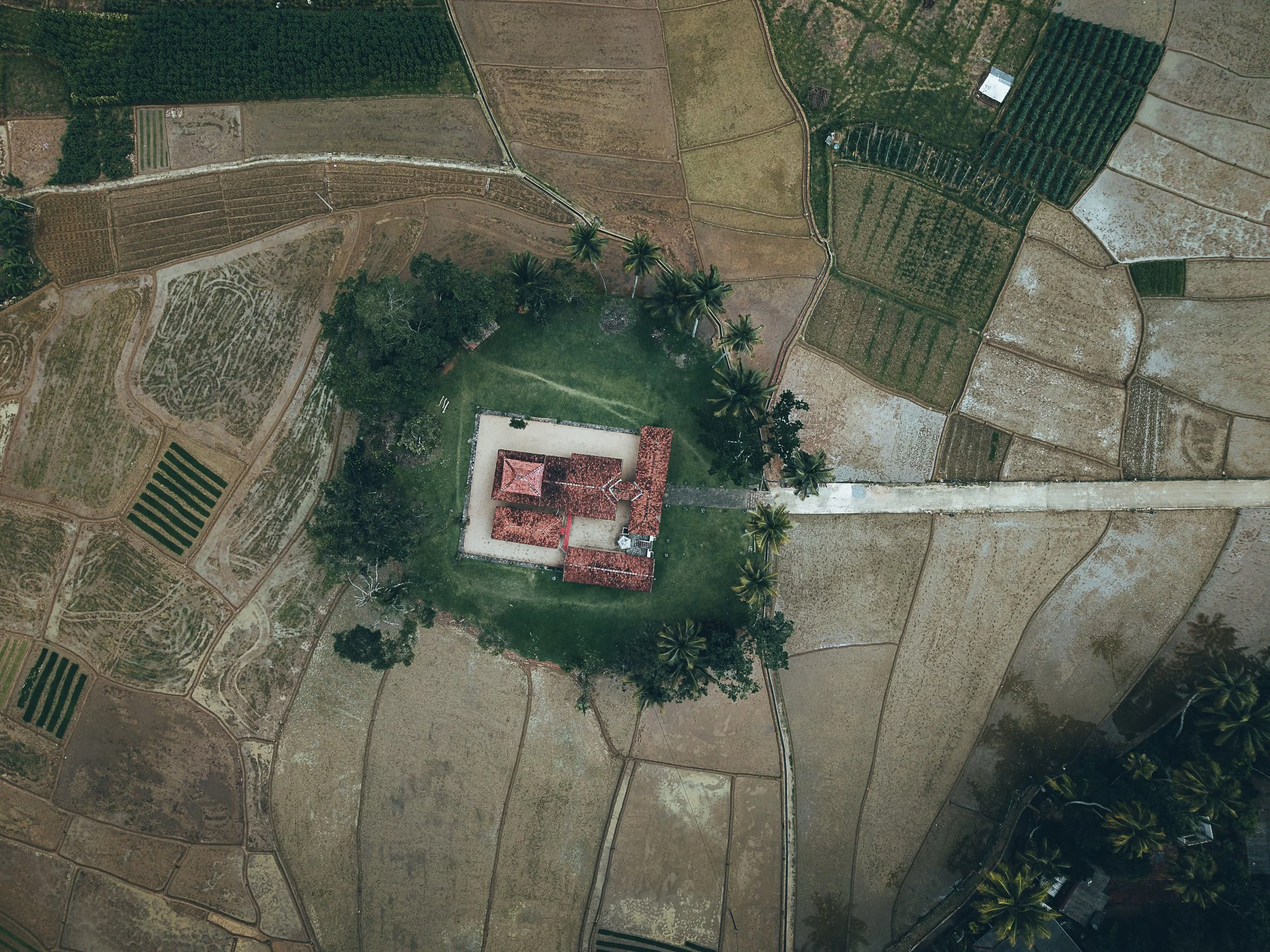
In fact, in the middle of the rice fields are two distinct places of worship, often confused but profoundly different in their role and symbolism. The Ganegoda Purana Viharaya (see photo above) is an ancient Buddhist temple. The term Purana means ‘ancient’, and this is immediately apparent in the atmosphere of the place. Sobriety, Buddha statues weathered by time, faded wall frescoes... everything here invites calm and contemplation. This temple is above all a place of meditation and prayer, visited daily by the villagers.
A few steps away is the Ganegoda Sri Kataragama Dewalaya (see photo below), a Hindu-Buddhist shrine dedicated to the god Kataragama (also known as Murugan), a major figure in Sri Lankan spirituality. More lively and colourful, this dewalaya is a popular place of worship where people come to make wishes, offer gifts and ask for protection or good fortune. Unlike the Viharaya, the atmosphere here is more lively, especially on ceremonial days.
The coexistence of these two temples, side by side in the heart of the rice fields, perfectly illustrates the spiritual richness of Sri Lanka, where Buddhism and popular beliefs blend naturally into everyday life.
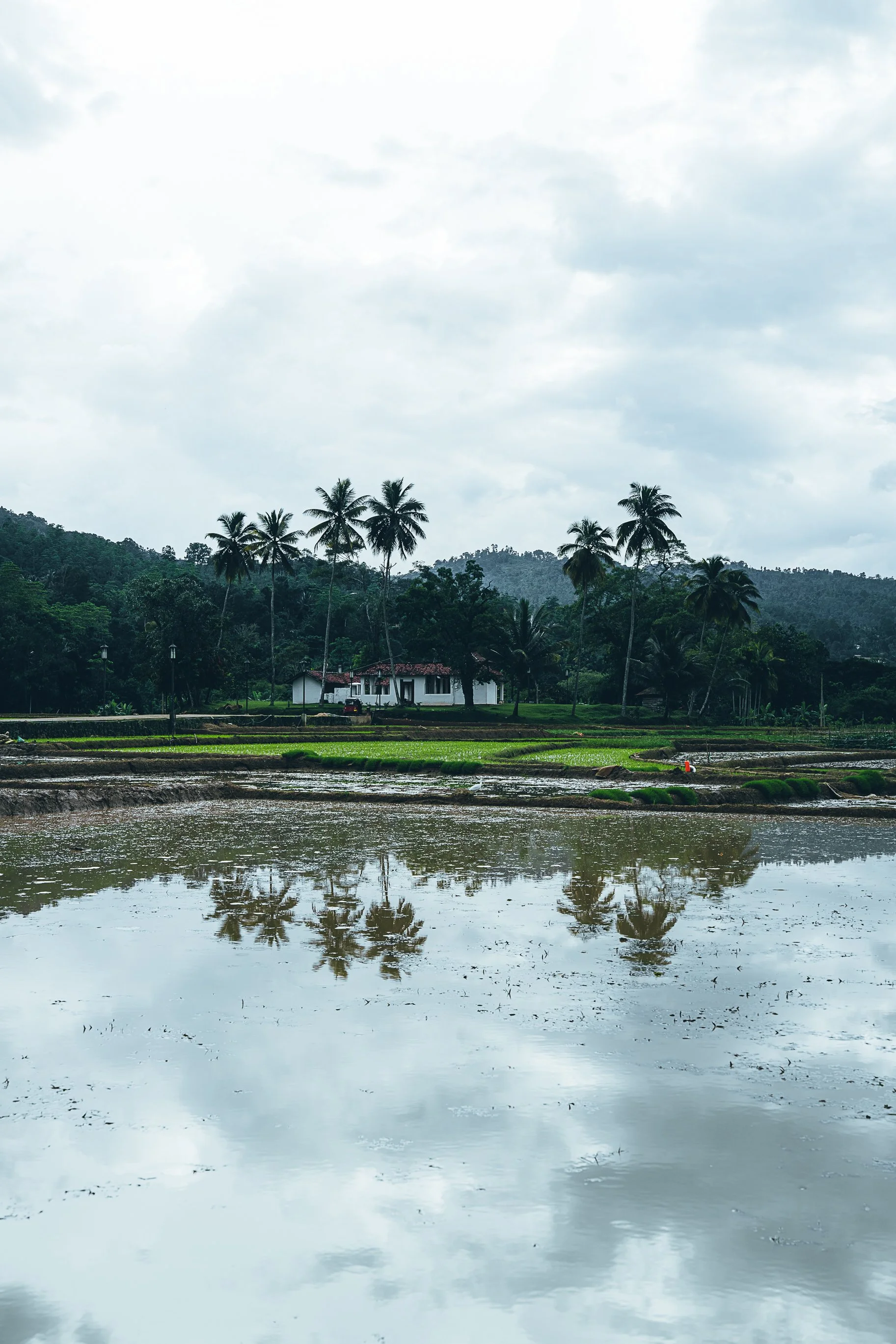
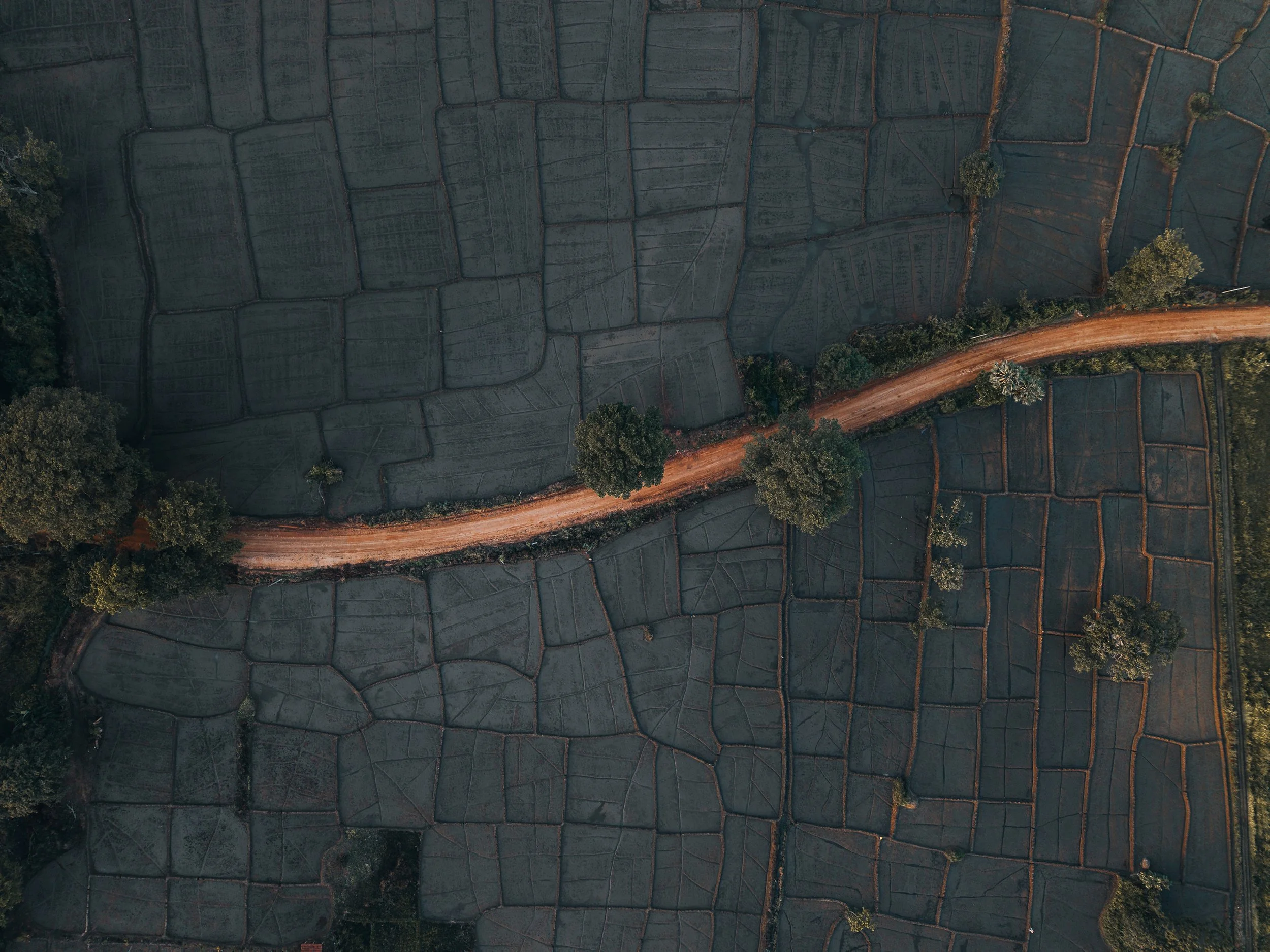
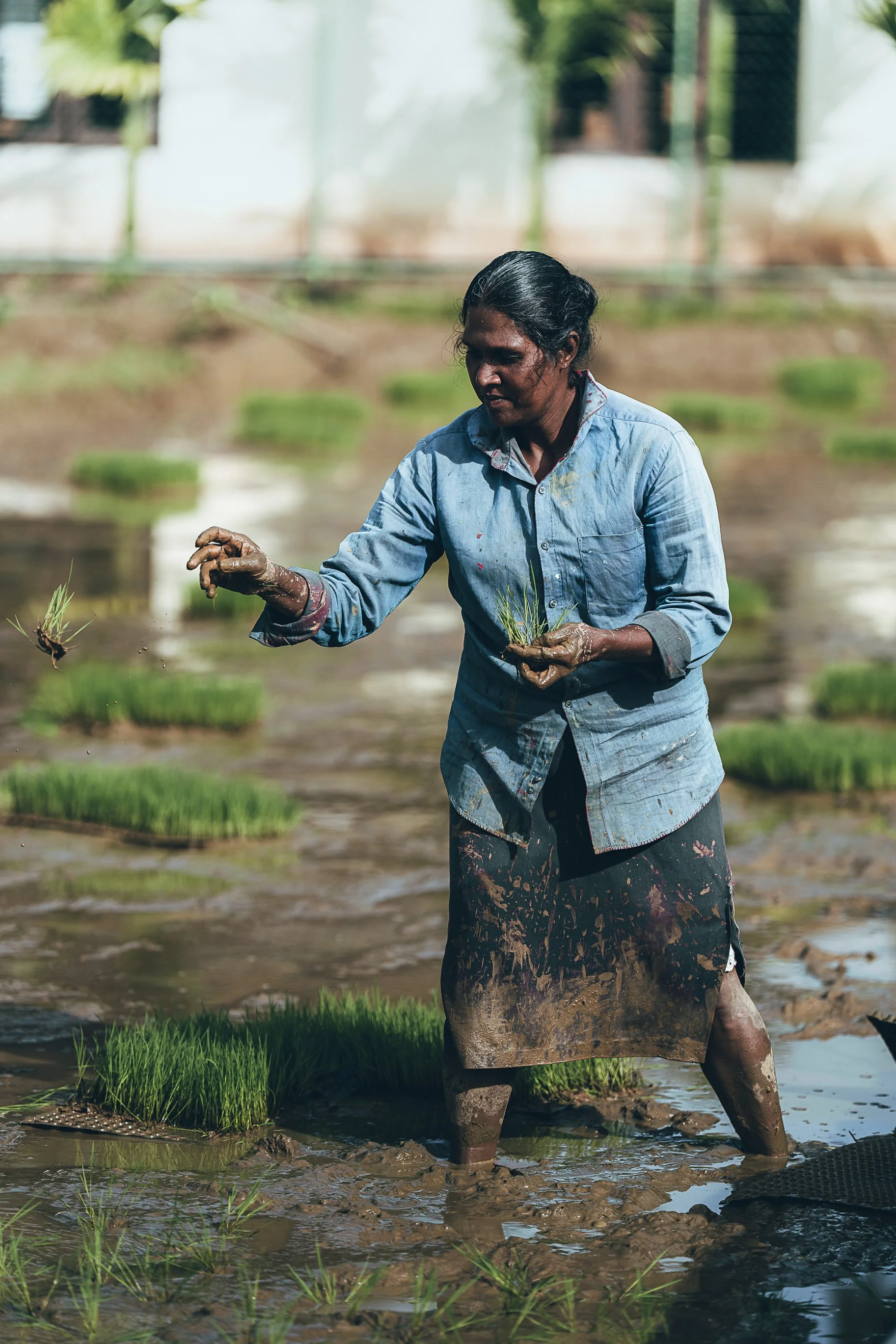
Despite unpredictable weather and rice fields still far from their vibrant green colour, we were lucky enough to observe the locals at work. It was a lively scene... everyone busy planting rice by hand using the traditional transplanting technique: lined up, feet in the water, they moved slowly forward, planting the young shoots one by one, almost like an assembly line. A repetitive, precise movement that gives an idea of the work required behind these landscapes that we often admire from afar.
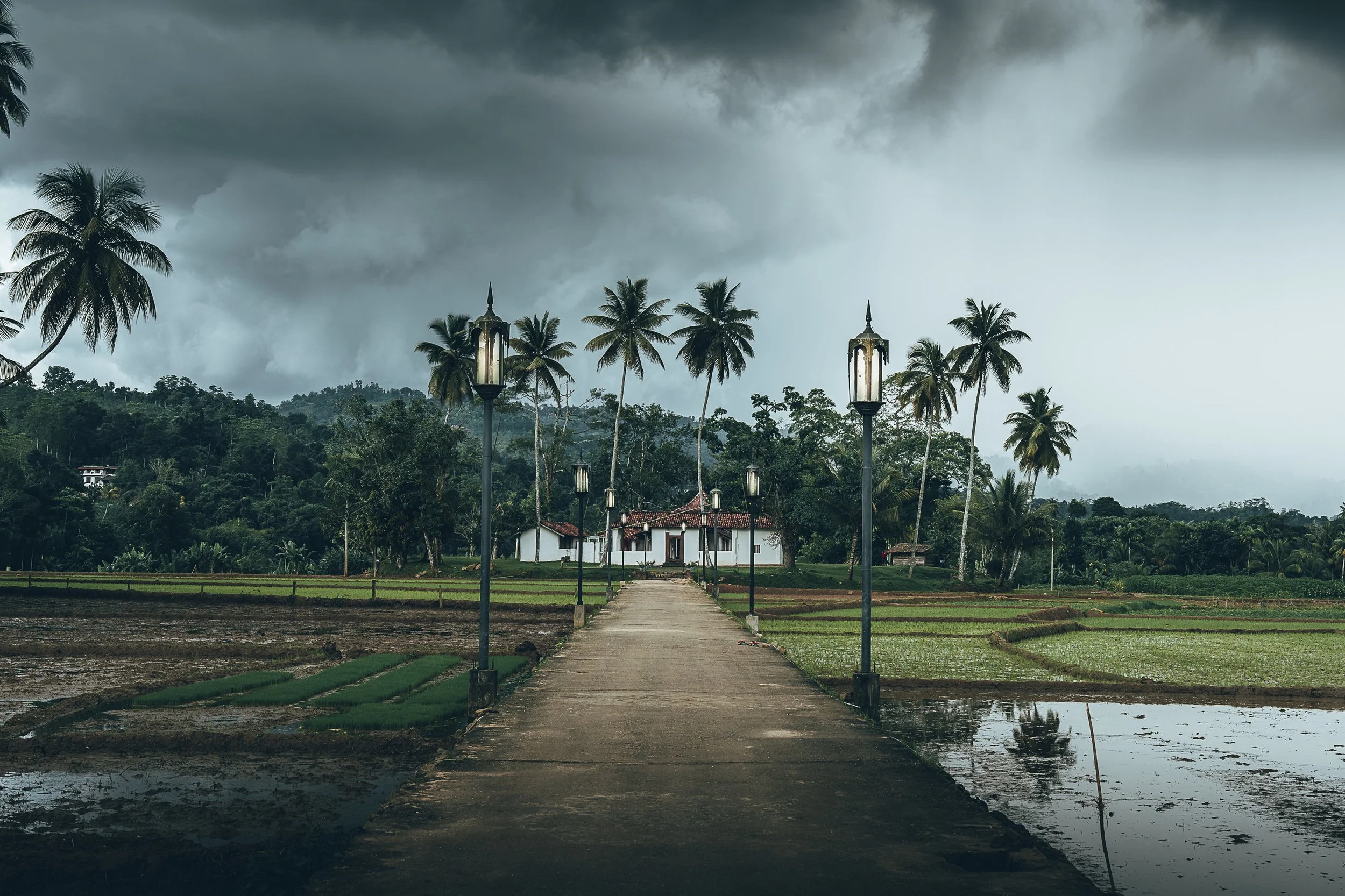
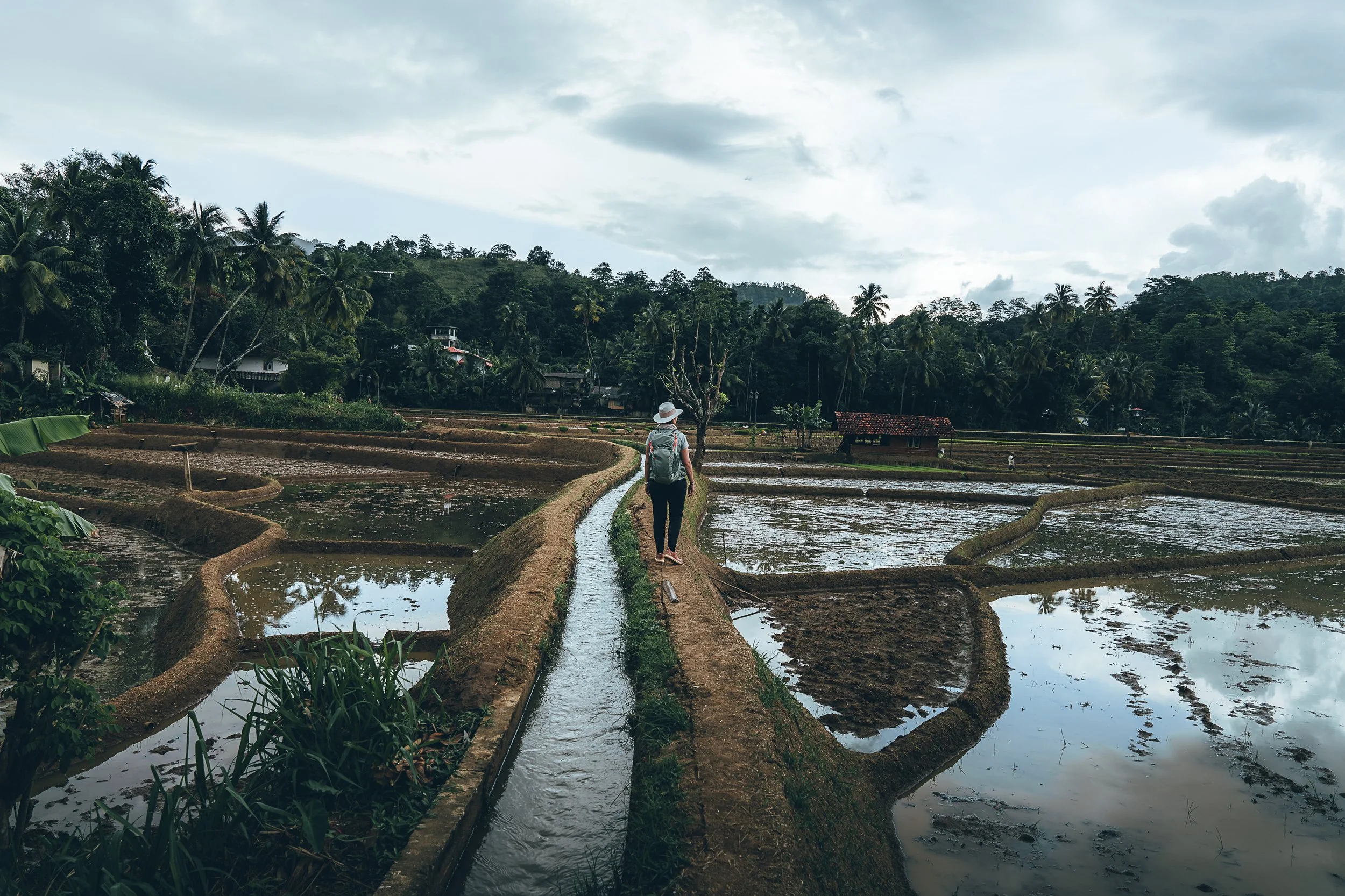
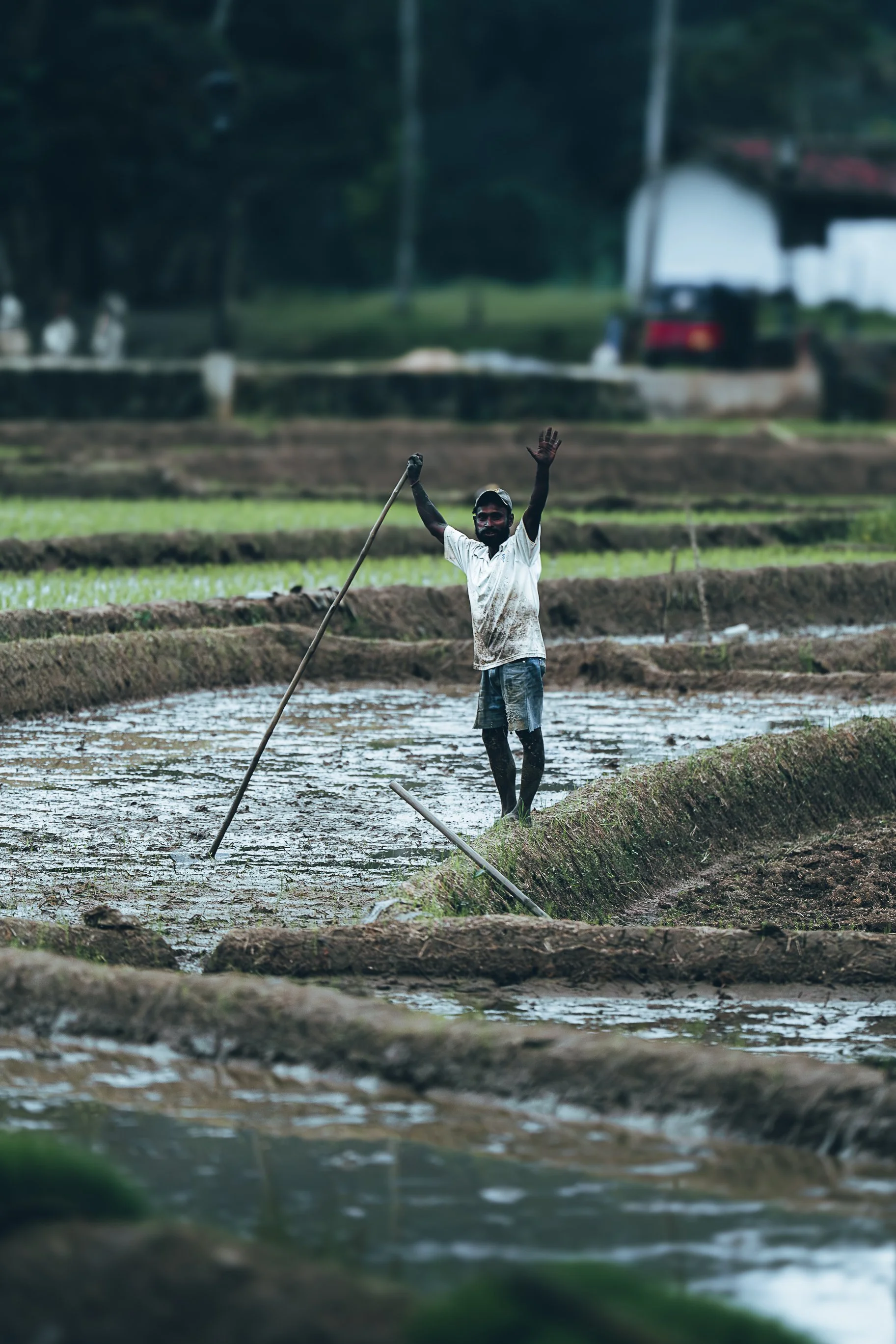
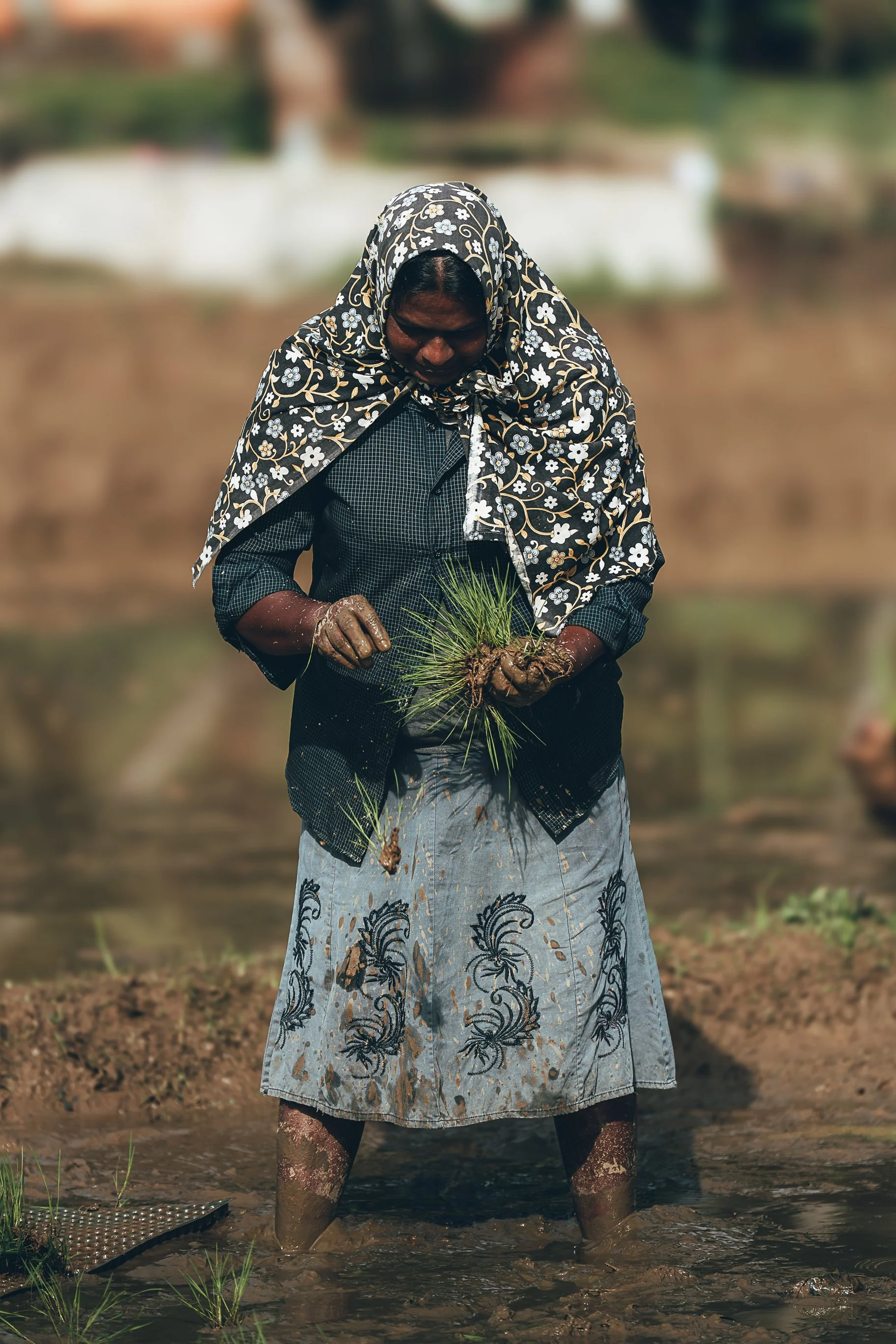
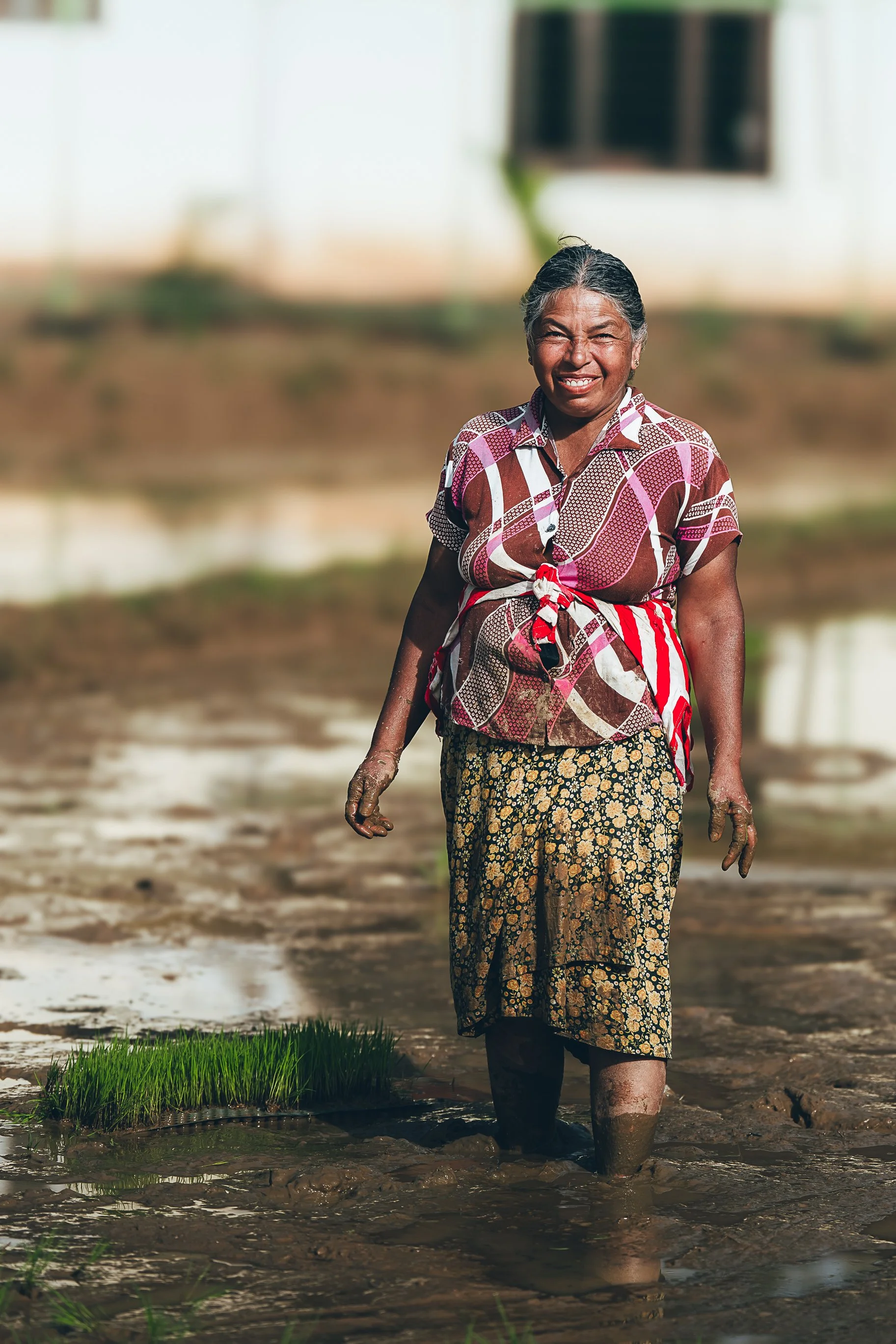
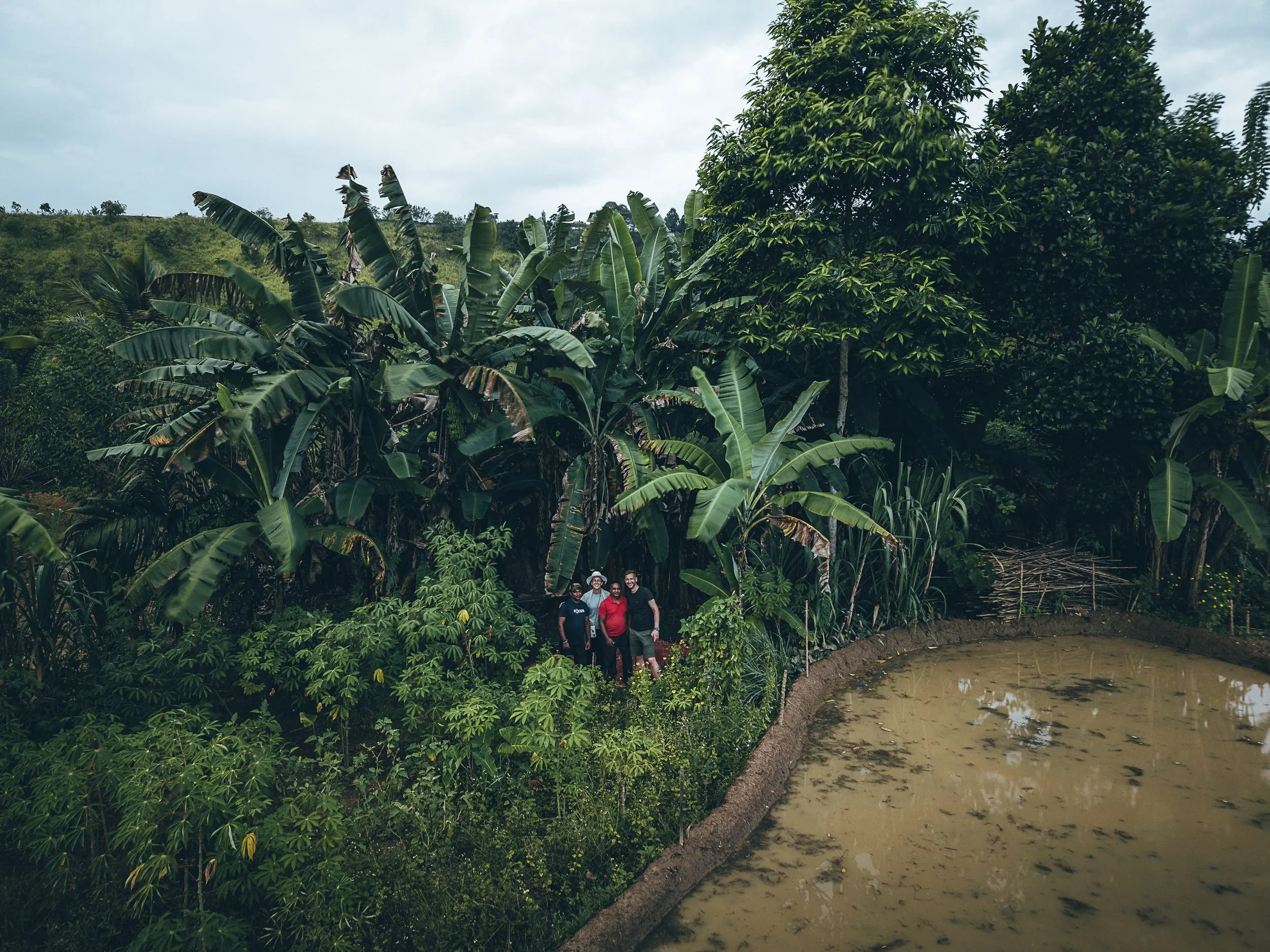
After visiting the temple, we venture into the rice plantations... Paolo (see below Where to stay | Where to eat in the Kandy region) has a surprise in store for us that he hadn't mentioned: an impromptu afternoon tea in the middle of the rice fields. Hot tea, local sweets, and the rural scenery around us. Between showers, Marc takes out the drone and takes advantage of a break in the clouds to fly it over the fields. Dixon watches curiously before giving piloting a try himself. Laughter, conversation, photos... a wonderful end to the day despite the rain. We would like to take this opportunity to thank Dixon, who accompanied us all day in his colourful and festive tuk-tuk... Always smiling, attentive and full of energy.
Where to stay | Where to eat in the Kandy region
Ellerton Bungalow - our favourite ❤️❤️❤️
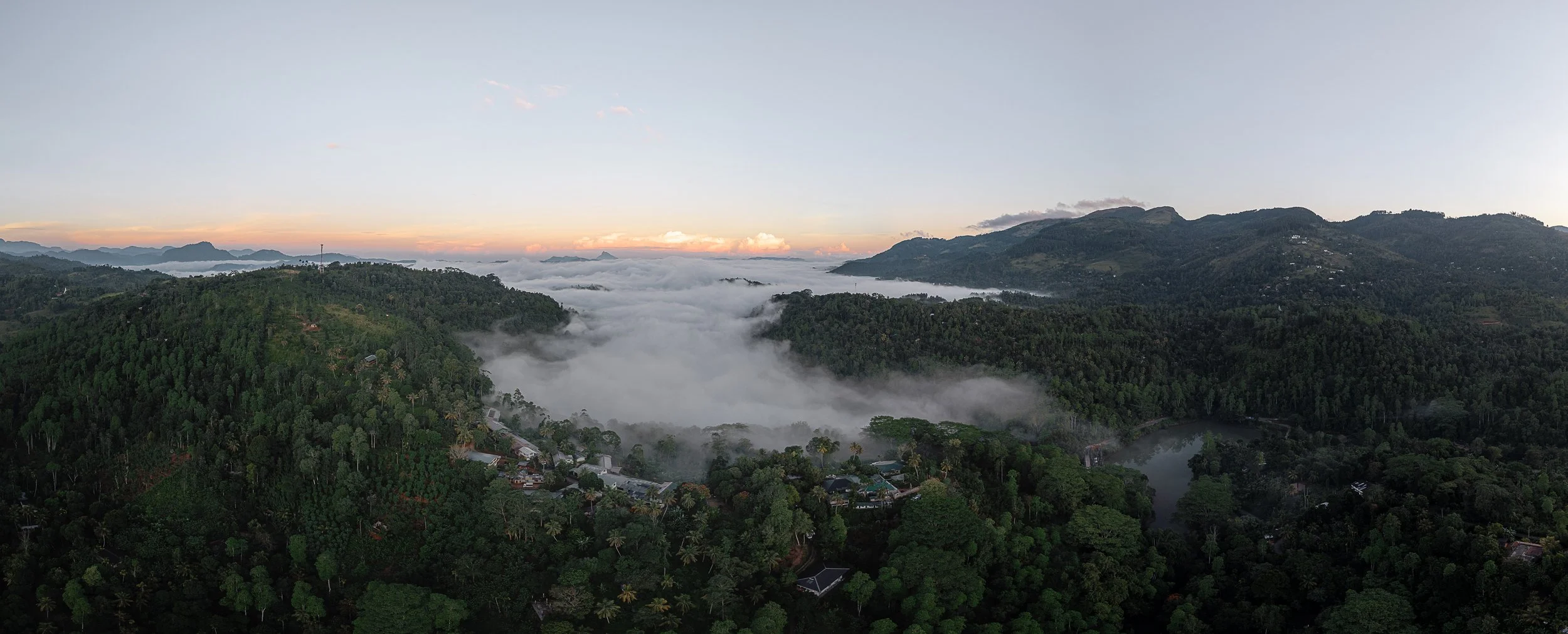
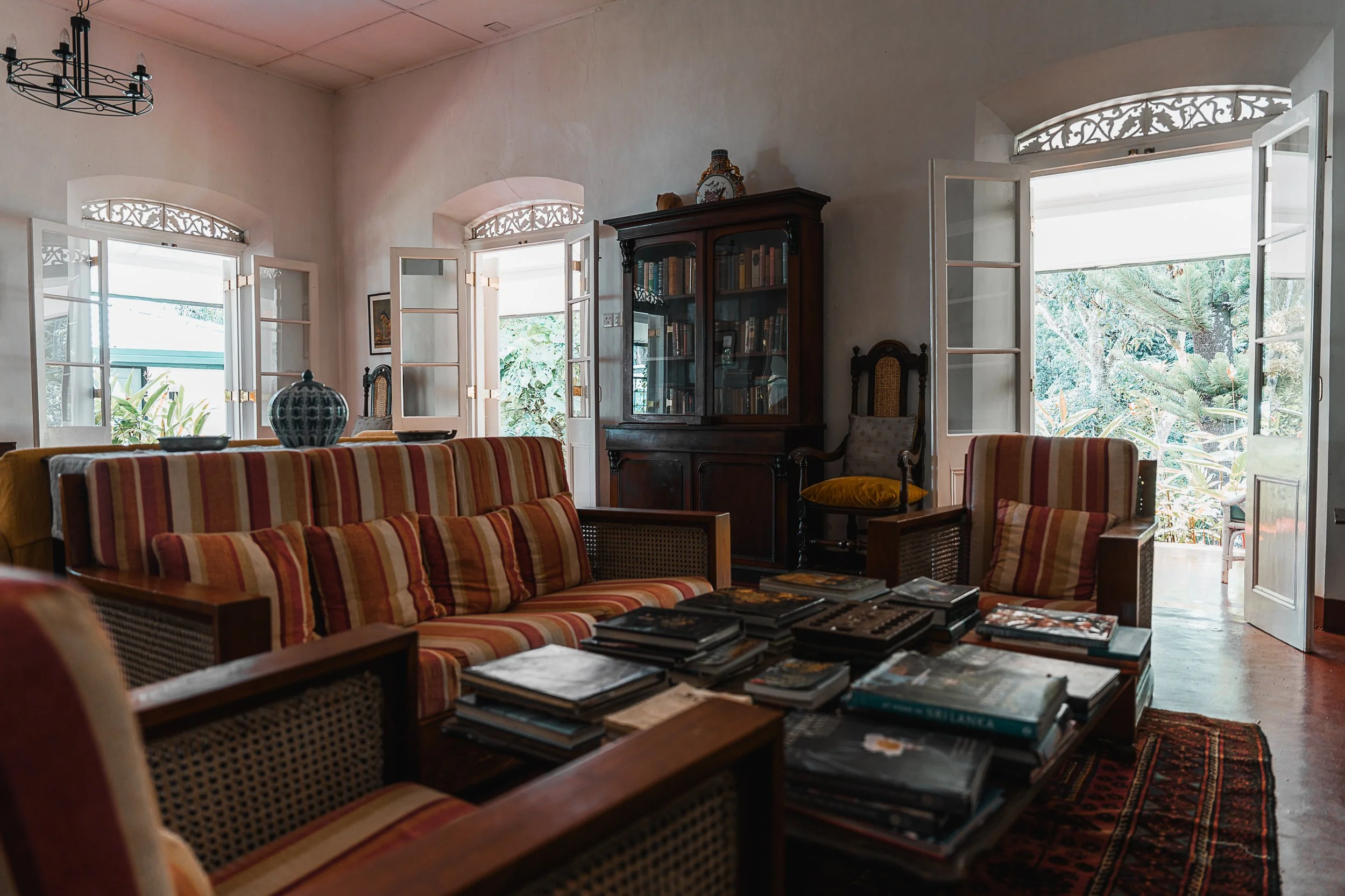
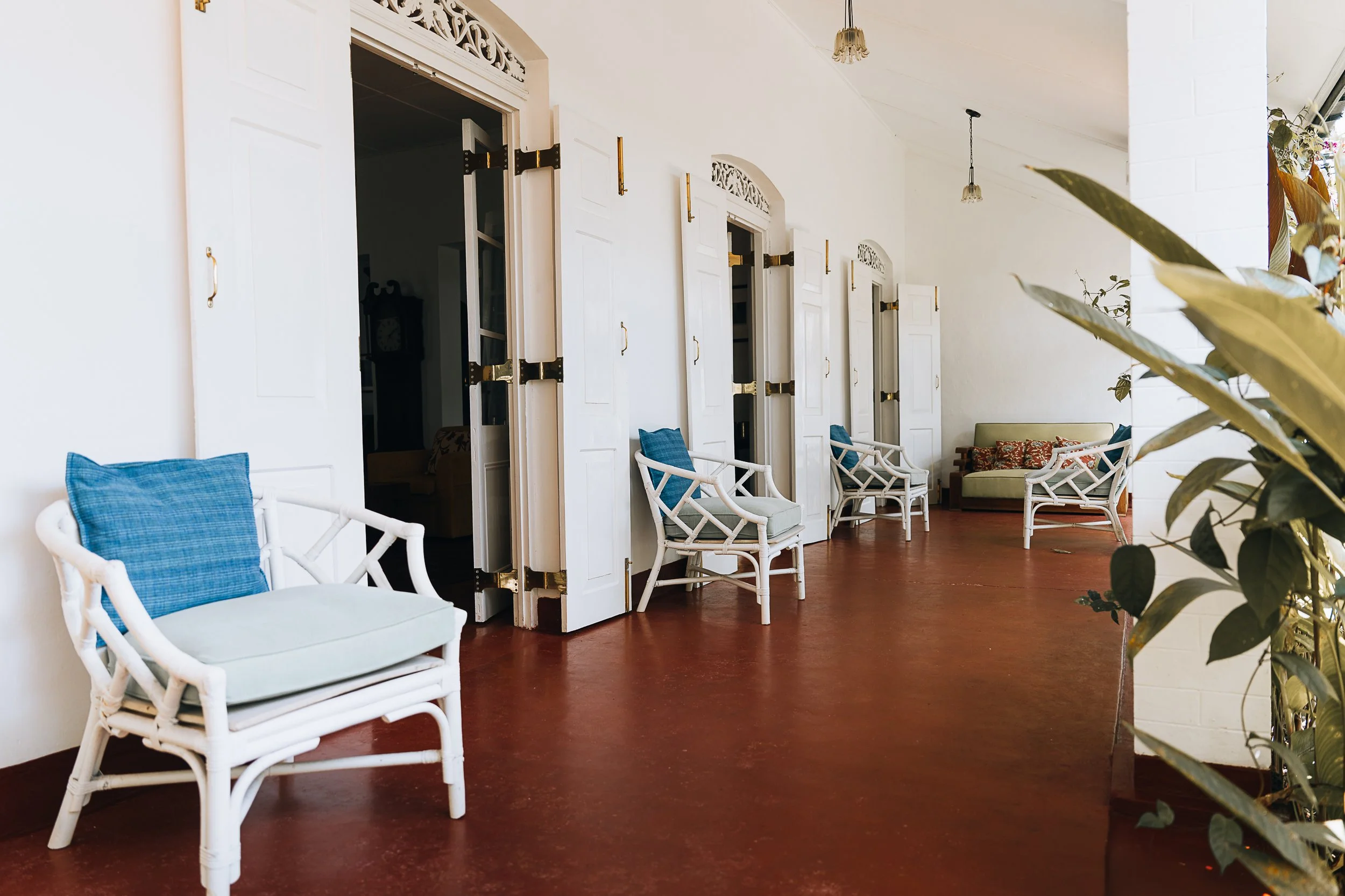
For these two nights in the Doluwa region, we are staying at Ellerton Bungalow, a true haven of peace perched on the hills, far from the usual tourist routes. The charm works its magic as soon as we arrive. Here, there is no reception or hotel codes: you enter a house with its doors wide open, and immediately feel as if you are being welcomed into a friend's home.
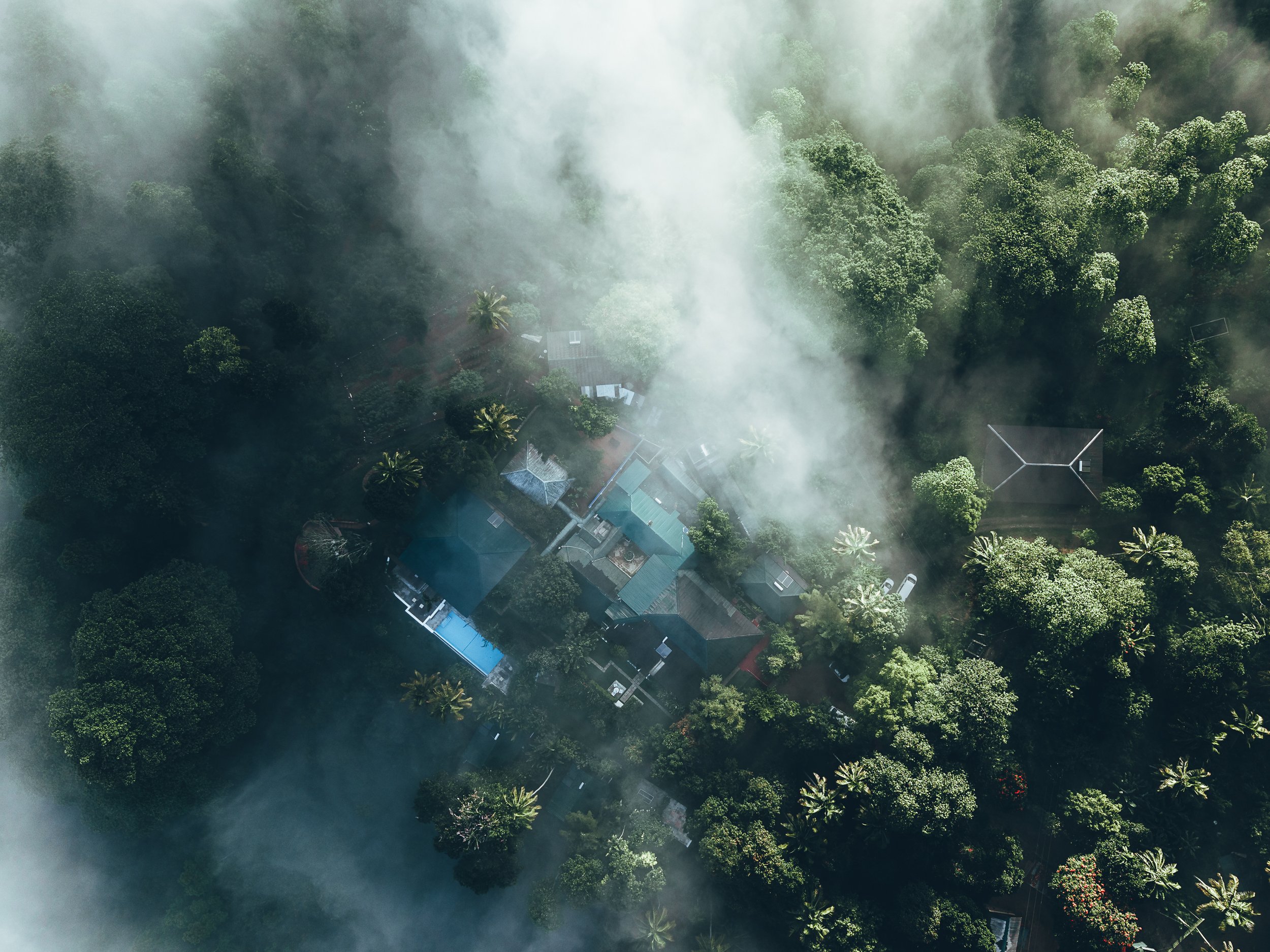
Surrounded by lush vegetation, Ellerton offers a peaceful, almost timeless atmosphere. The view opens onto the jungle and surrounding hills, all lulled by the sounds of nature. The place lives up to its slogan, ‘Paradise on a hilltop’.
Paolo, originally from Ticino and married to a Sri Lankan woman from Kandy, embodies the spirit of the house. He offers a sincere, attentive welcome and makes it a point of honour to employ local people. Here, everything is designed to remain simple, human and authentic.
In the kitchen, the chefs prepare delicious meals every day using local produce. The tasty and generous Sri Lankan curries are always offered as an alternative to the Western menu. Meals, taken in a friendly atmosphere, become true moments of sharing.
Ellerton Bungalow is not a hotel like any other: it is a break, a place where you quickly feel at home, perfect for slowing down and savouring another side of Sri Lanka.
→ HATTON [ 2 nights ]
We leave Ellerton with regret. Another day here would clearly not have been too much... but the journey continues, and a much-anticipated stage awaits us: the train journey between Peradeniya and Nanu Oya, one of the most beautiful in Sri Lanka.
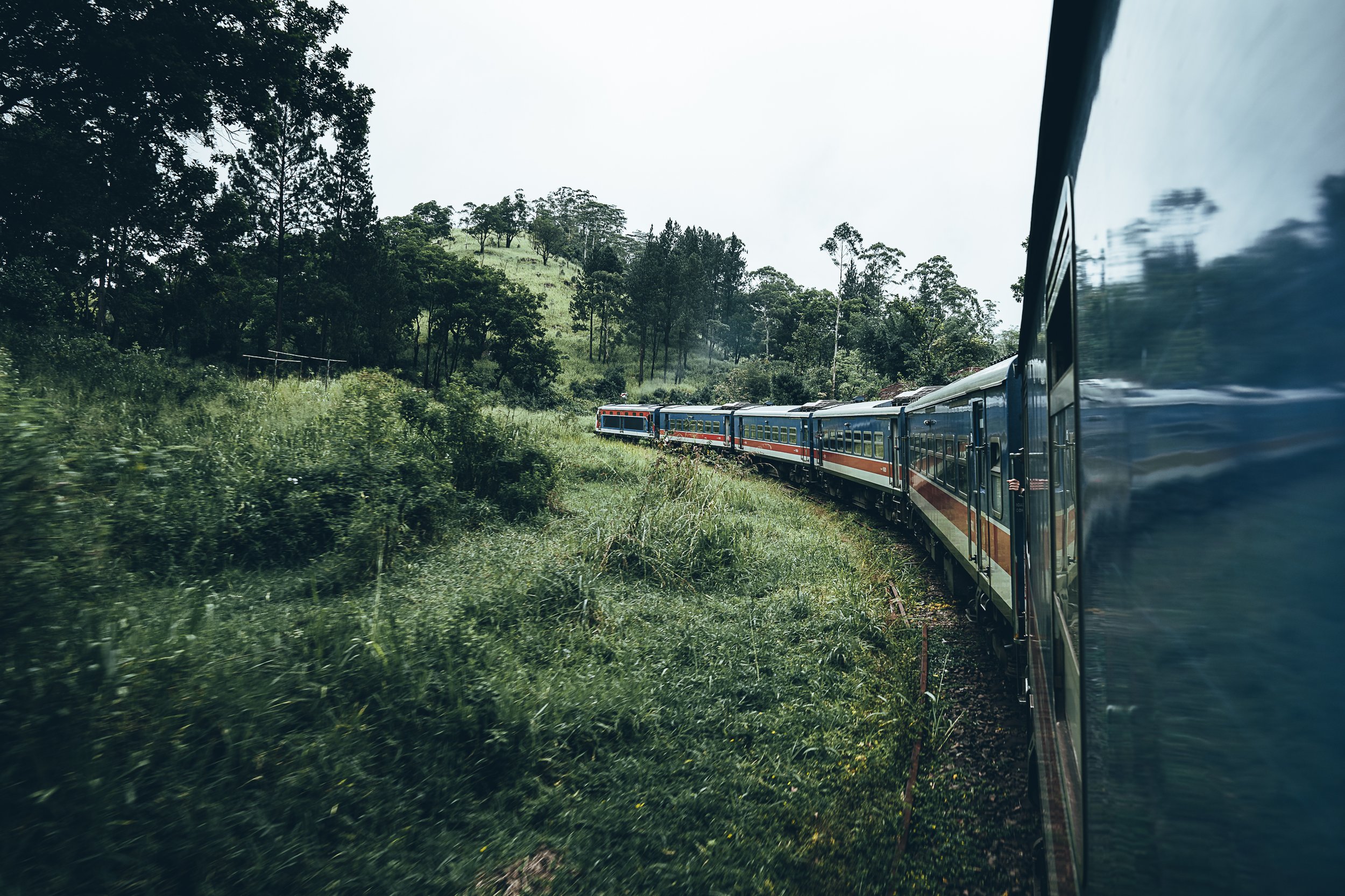
An important point to note: for tickets booked in advance, the passport number printed on the ticket must match exactly the passport number presented on the day of travel. Checks can be strict, and if there is a discrepancy, you may simply be denied access to the train. We had quite a scare when we realised that our tickets had been issued with our old passport numbers. Fortunately, thanks to Lalinda, we were able to get the tickets updated in time... but it was definitely a close call.
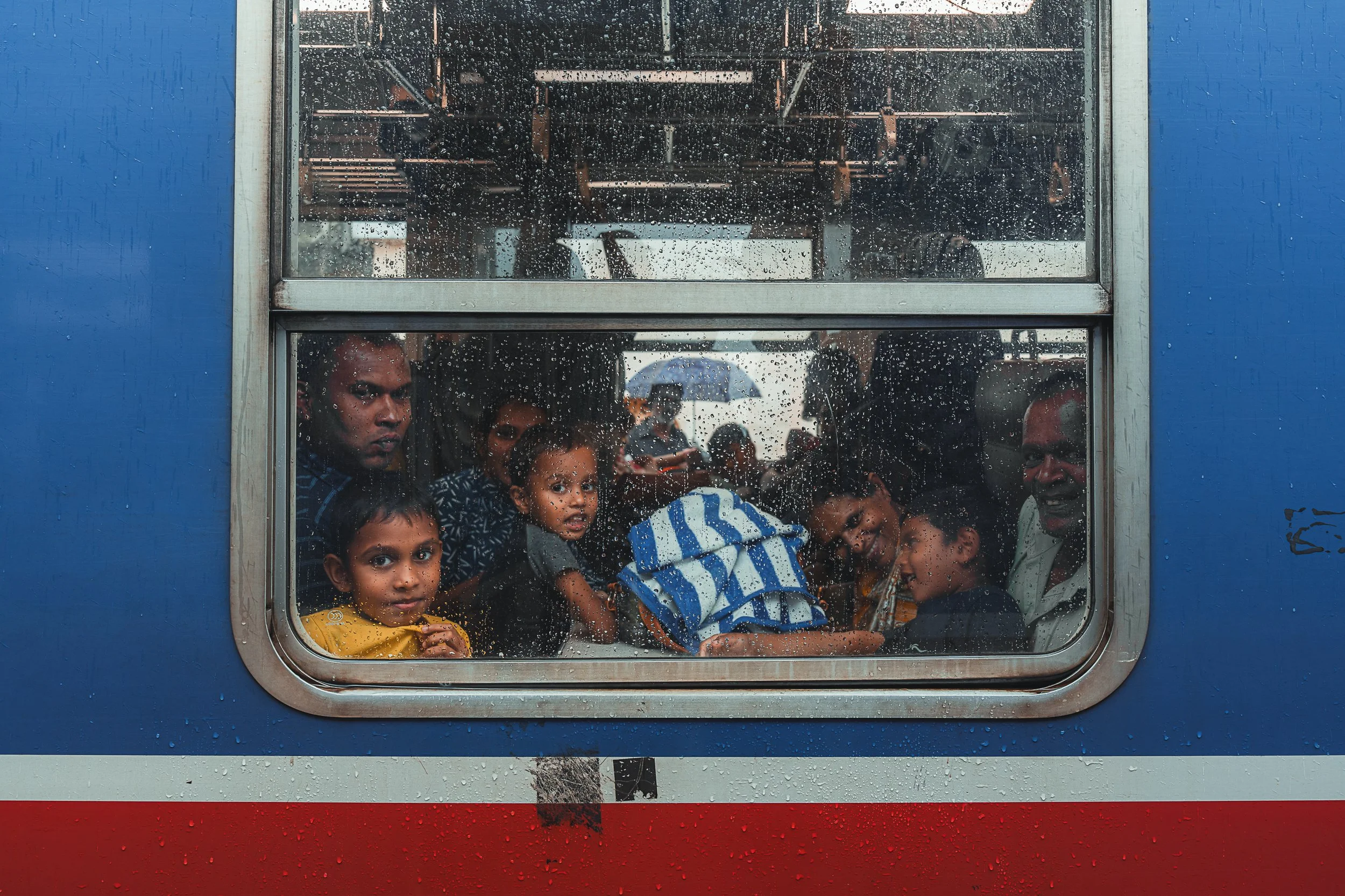
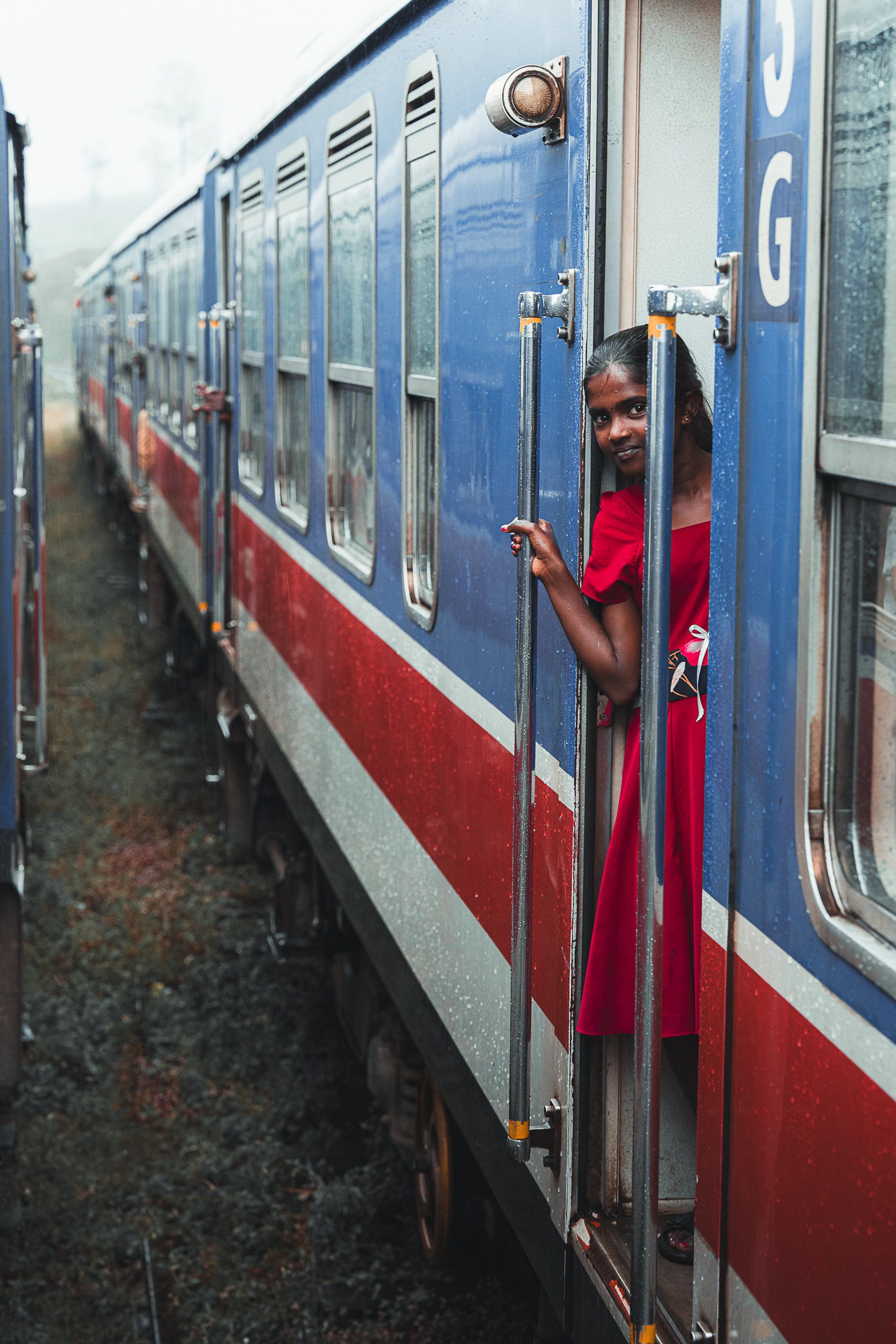
We had chosen to travel in third class, and, to be honest, we were a little apprehensive about the experience — without really knowing why, in hindsight. In the end, it was one of our favourite moments of the trip. The atmosphere is simple, lively and, above all, very friendly. On board, we meet lots of people: travellers from Switzerland, Germany, Korea, Japan... Conversations flow naturally, often centred around small gestures of kindness. We share sweets brought back from our respective countries, chat and laugh.
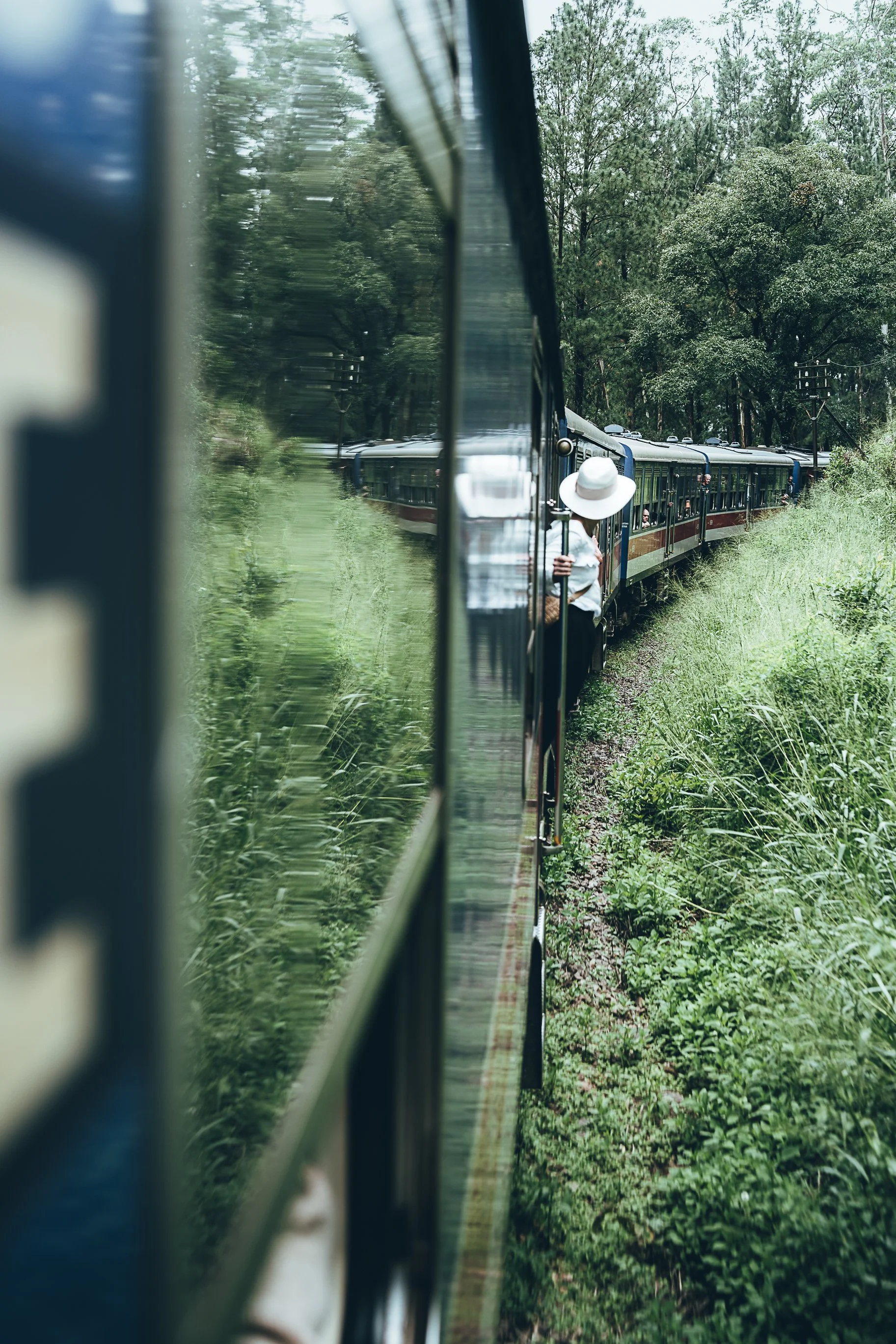
Meanwhile, Marc spends almost the entire journey standing, nose to the wind near the open doors, focused on the landscapes and images to capture. We thought the four-hour journey would be long... but it flew by. Better still, we would have gladly continued on to Ella, or even taken another train journey later in the trip... but that will have to wait until next time!
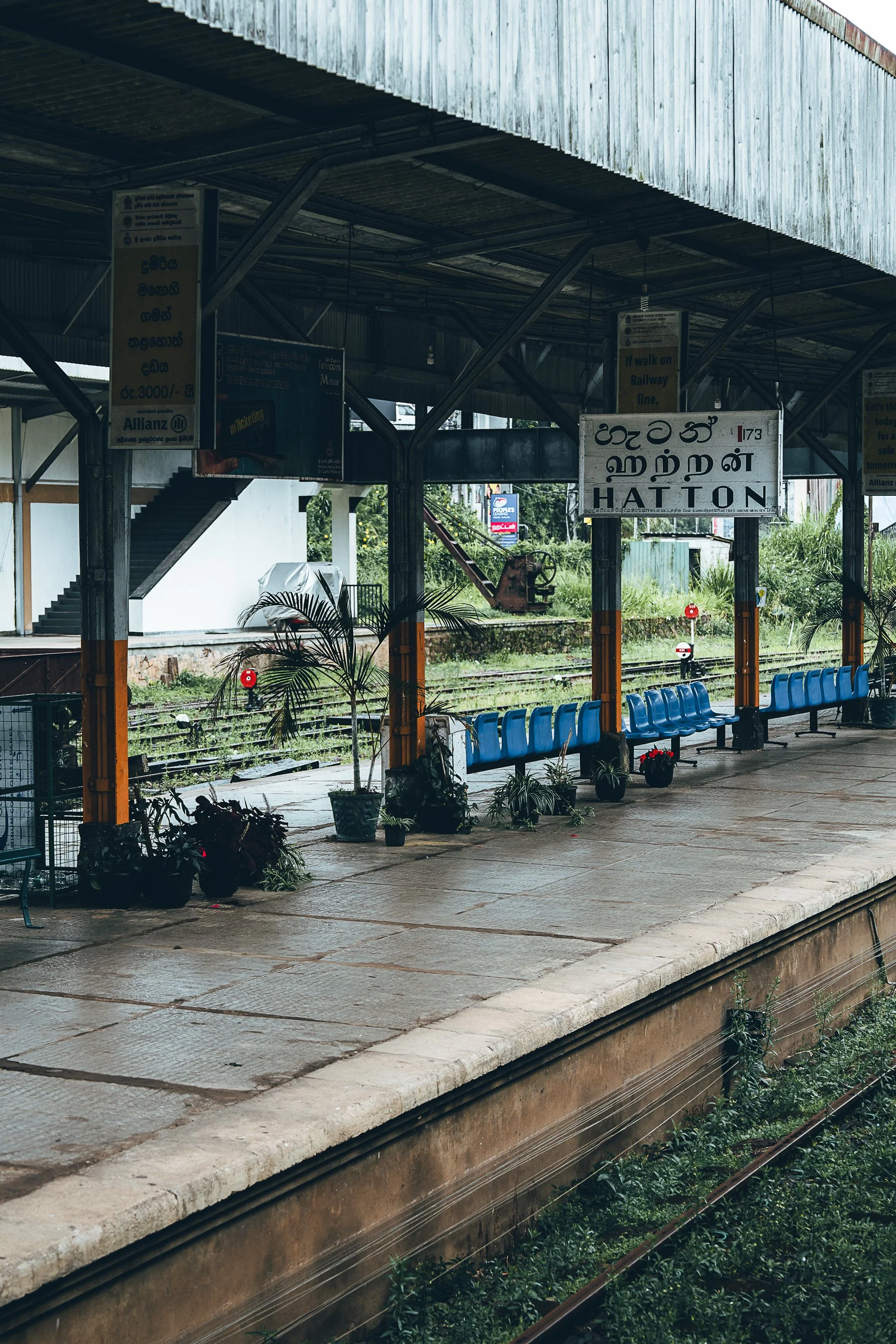
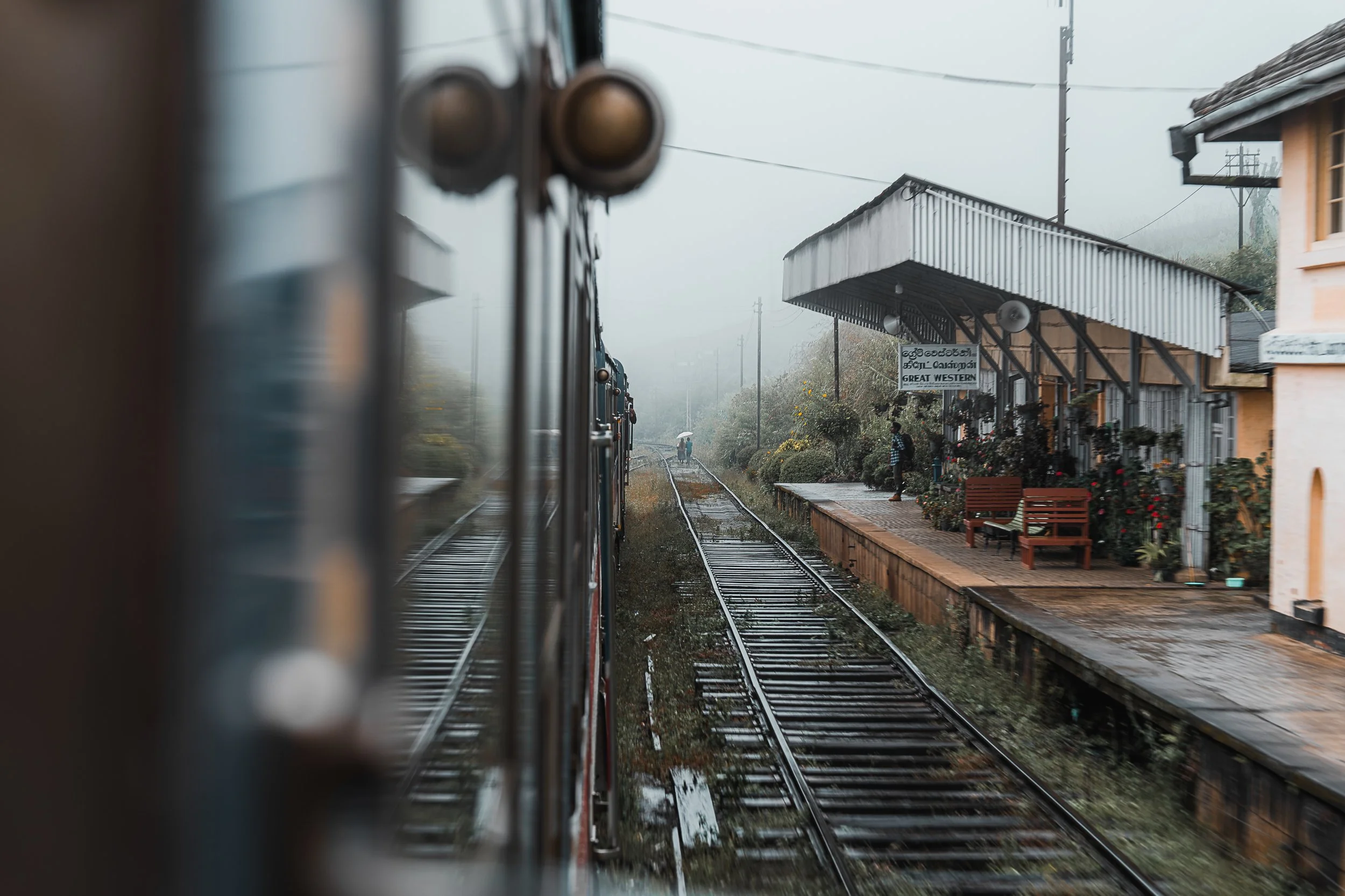
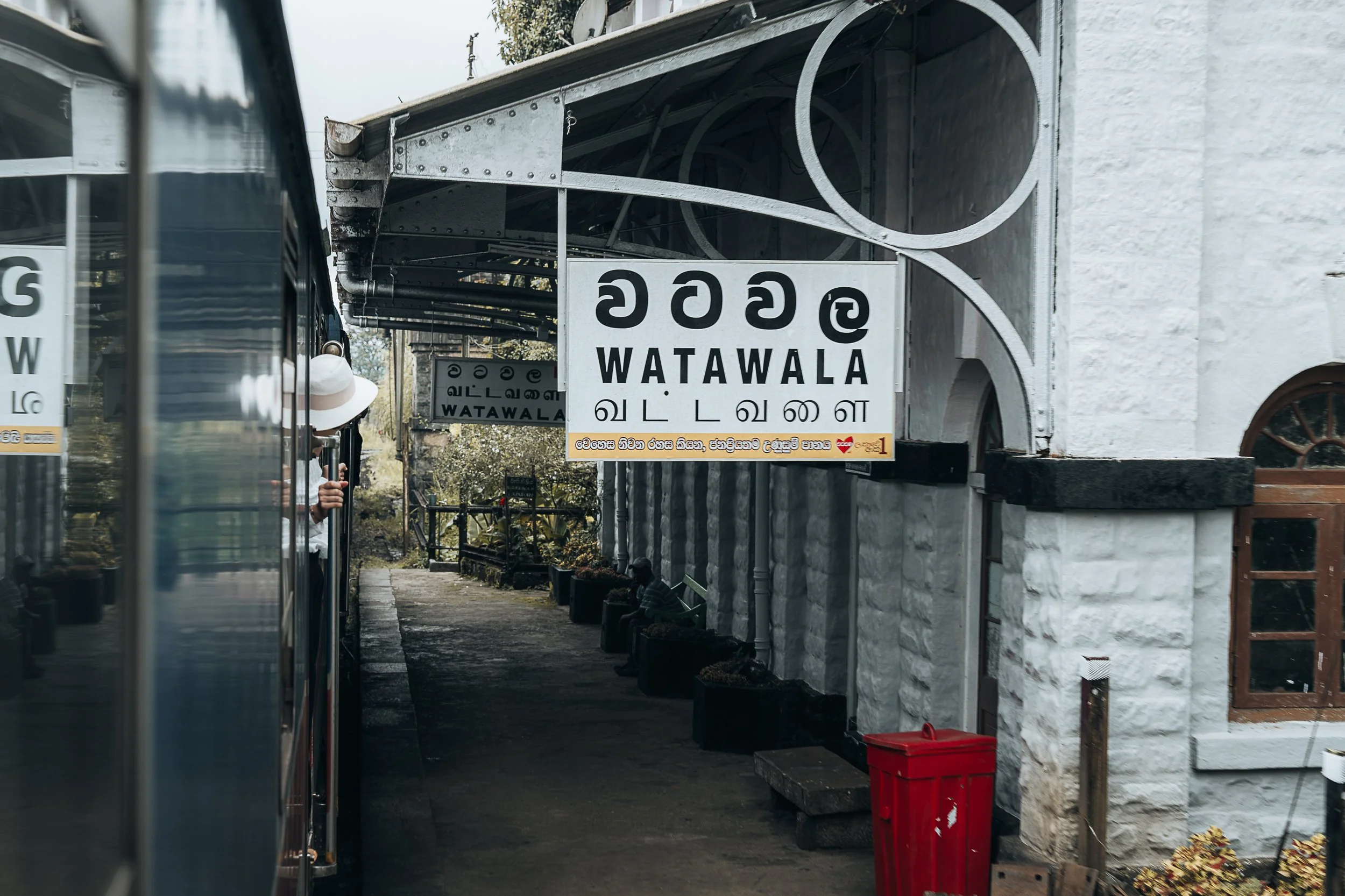
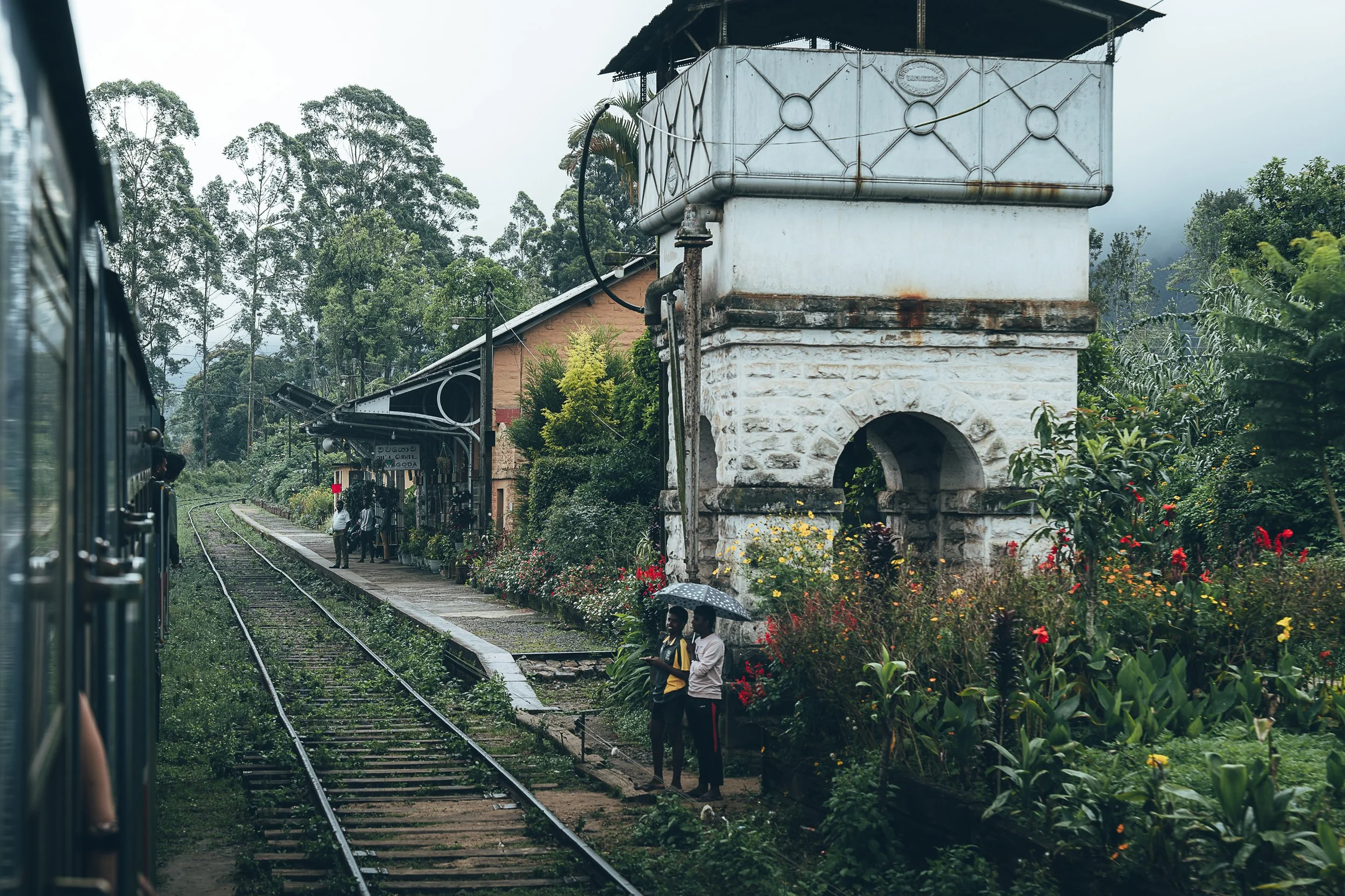
Once we got off the train at Nanu Oya, we quickly reached Nuwara Eliya, the highest town in Sri Lanka. The contrast was immediate: the atmosphere was much cooler, almost British, with its colonial-inspired buildings. We took the time to stroll around the centre, wander a little and eat something simple before hitting the road again. The idea was to enjoy the region more and make a few stops along the way, but the weather had other ideas. The rain fell heavily and continuously, eventually discouraging us. We gave up on a planned stop in Hatton and continued straight on through the misty hills to our next stop: Ceylon Tea Trails.
Ceylon Tea Trails
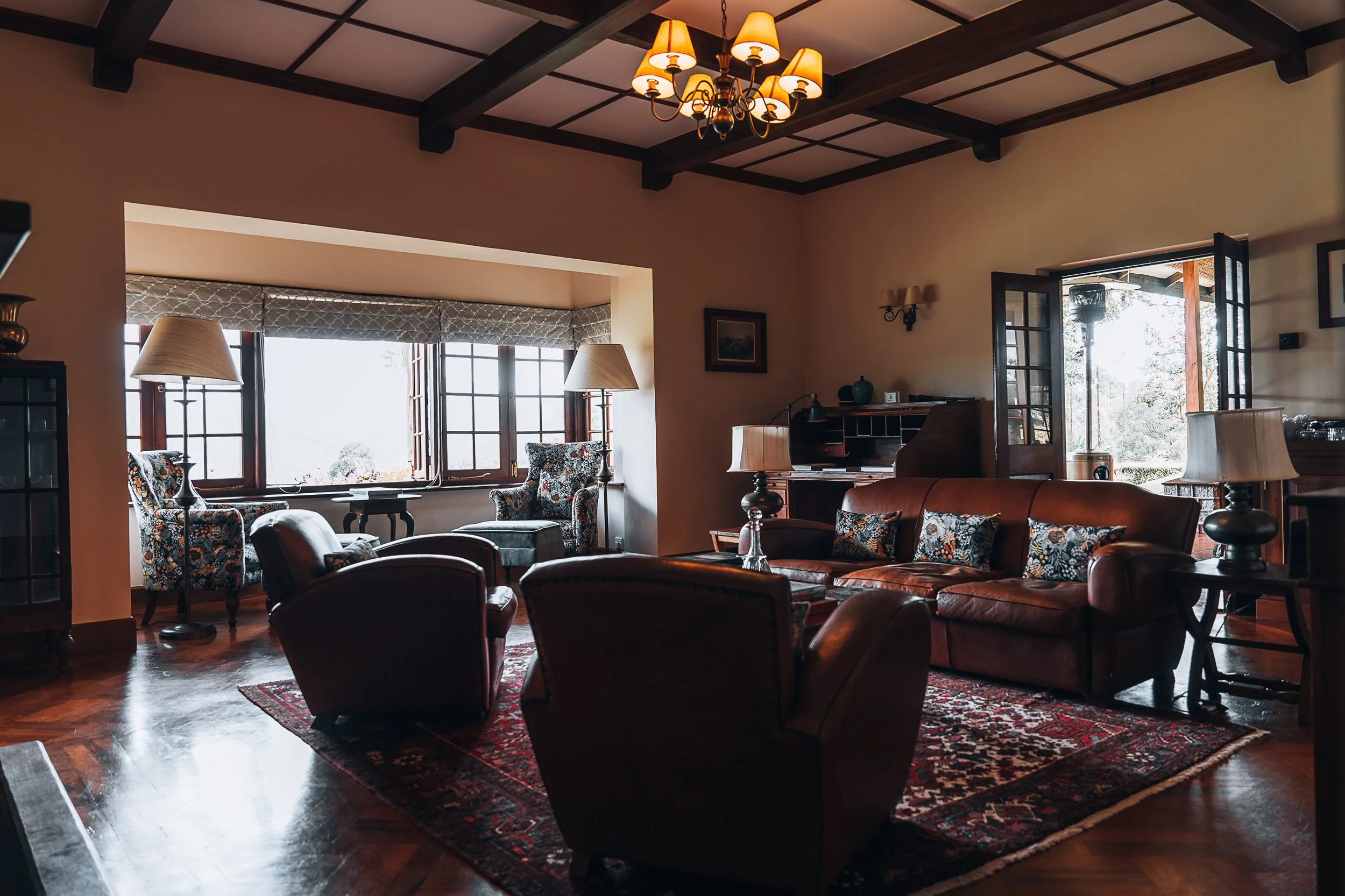
Arriving at Ceylon Tea Trails marks a real change of pace. After a winding road through tea plantations and still unsettled weather, we discover a place apart, deeply marked by its British heritage. Former planters' residences, immaculate lawns, cosy lounges and attentive service: the atmosphere is reminiscent of grand colonial houses. The calm is immediate, almost institutional, and from the very first moments, you sense that time passes differently here, in an elegant and perfectly controlled setting.
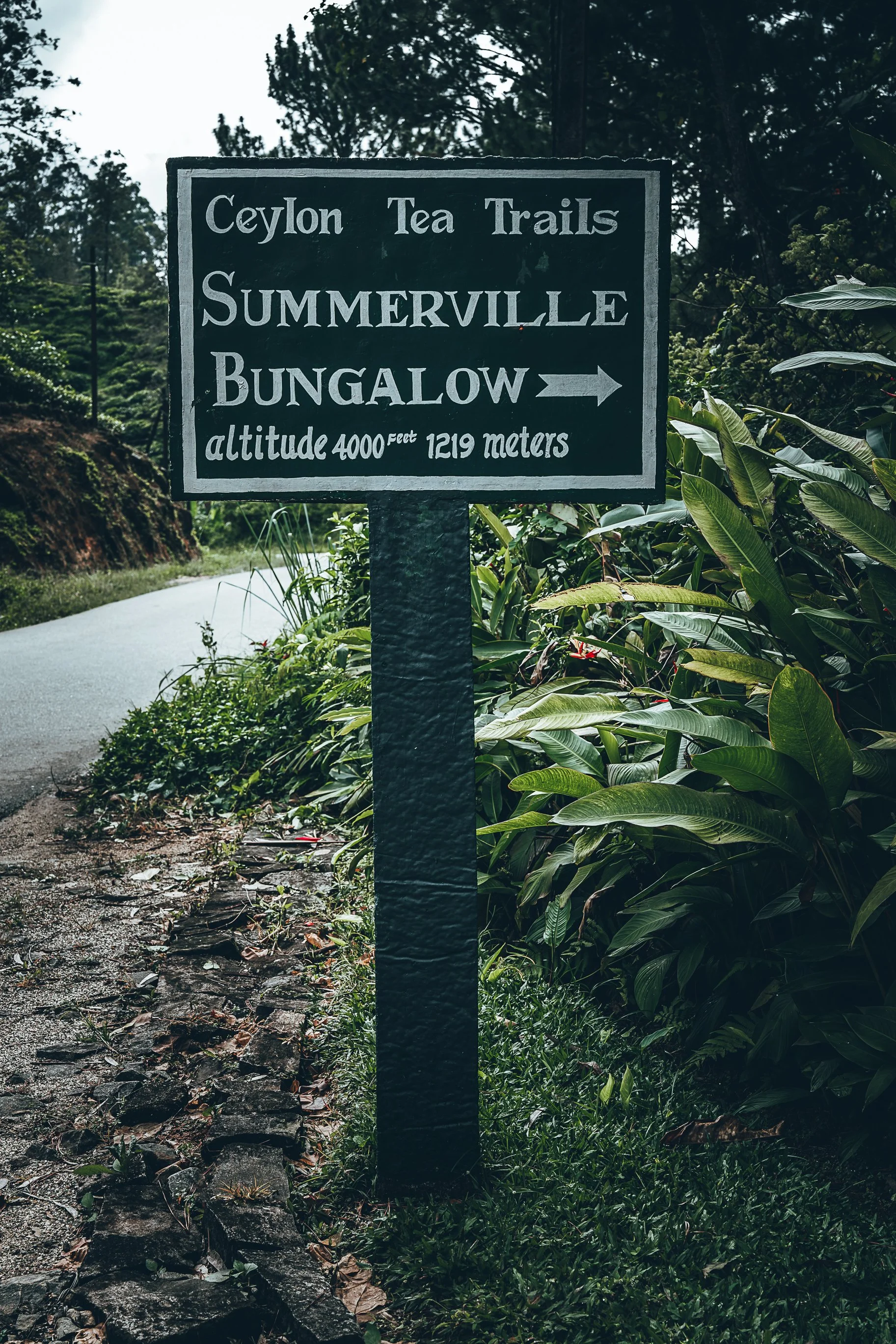
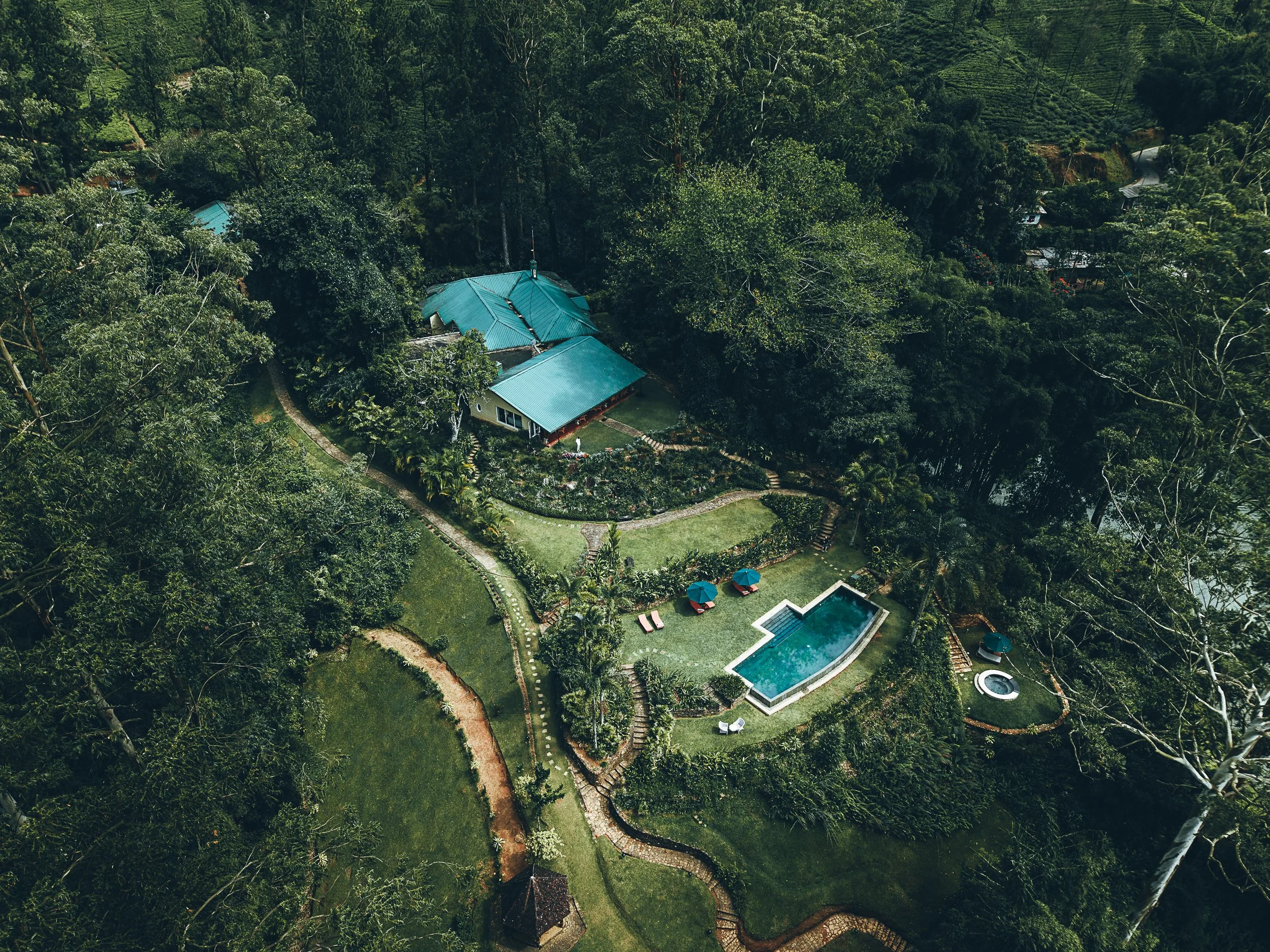
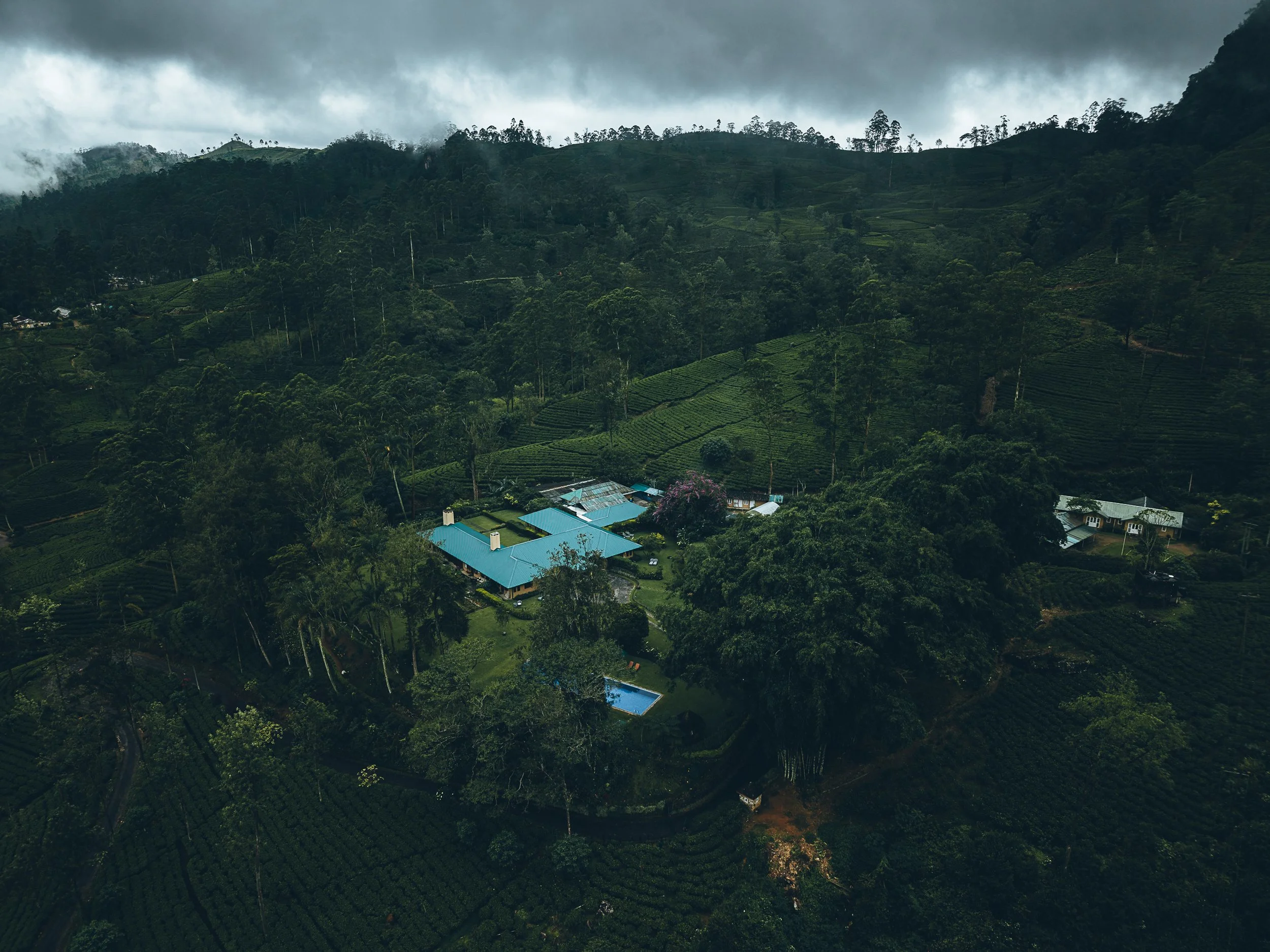
Ceylon Tea Trails is not a hotel like any other. It is a collection of historic bungalows, former residences of British planters that have been carefully restored and scattered throughout the tea hills. Each house has its own identity, atmosphere and dedicated staff, and operates as an elegant guest house where everything is designed for comfort and relaxation: attentive service, refined cuisine, open fires and breathtaking views of the plantations and lake. For these two nights, we are staying at Summerville Bungalow, one of the oldest on the estate. Nestled in the hills, it offers spectacular views of the lake and tea-covered hills. A charming location, perfect for enjoying this timeless interlude in the heart of the Sri Lankan Highlands.
We discover a spacious and comfortable room, decorated in a very British style, with a beautiful view of the dense vegetation surrounding the bungalow. Here, everything is designed for comfort: a dedicated butler takes care of the house, and the stay is entirely all-inclusive, from meals to little everyday touches.
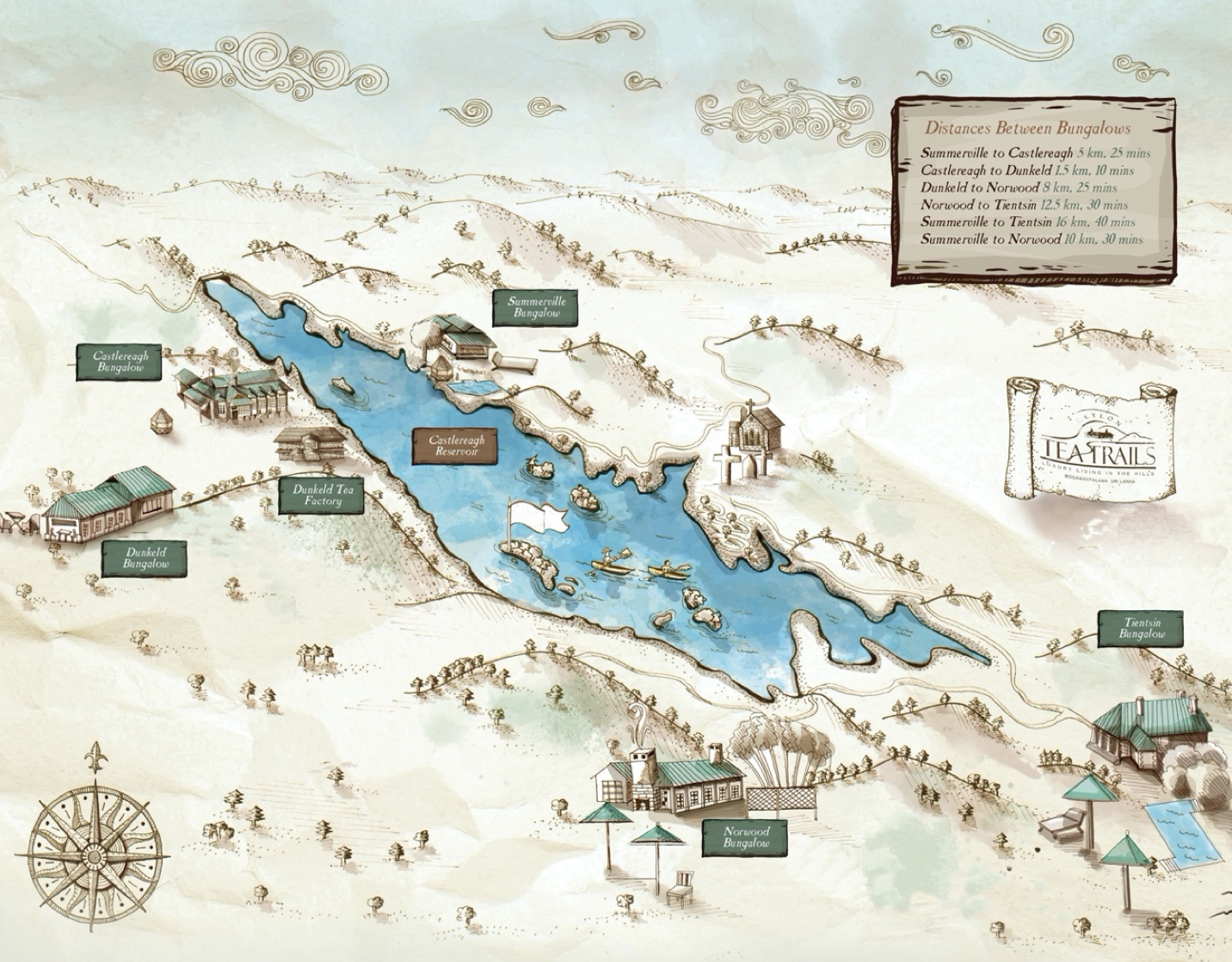
The temperatures are cool at the end of the day, but the fire is already lit in the fireplace, creating a warm and cosy atmosphere. We take the opportunity to enjoy an aperitif before sitting down to dinner, in a relaxed, almost ceremonial atmosphere. After dinner, the butler and chef come to see us to find out what we would like for breakfast and discuss our plans for the next day. With a map of the trails in hand, we study the Trail Guide and choose to hike Trail 5. Everything is organised with disconcerting ease: the butler arranges for us to be taken by boat to the other side of the lake, as well as lunch upon arrival at Norwood Bungalow. At this point in the trip, everything seems to be running like clockwork.
@ Ceylon Tea Trails 2025
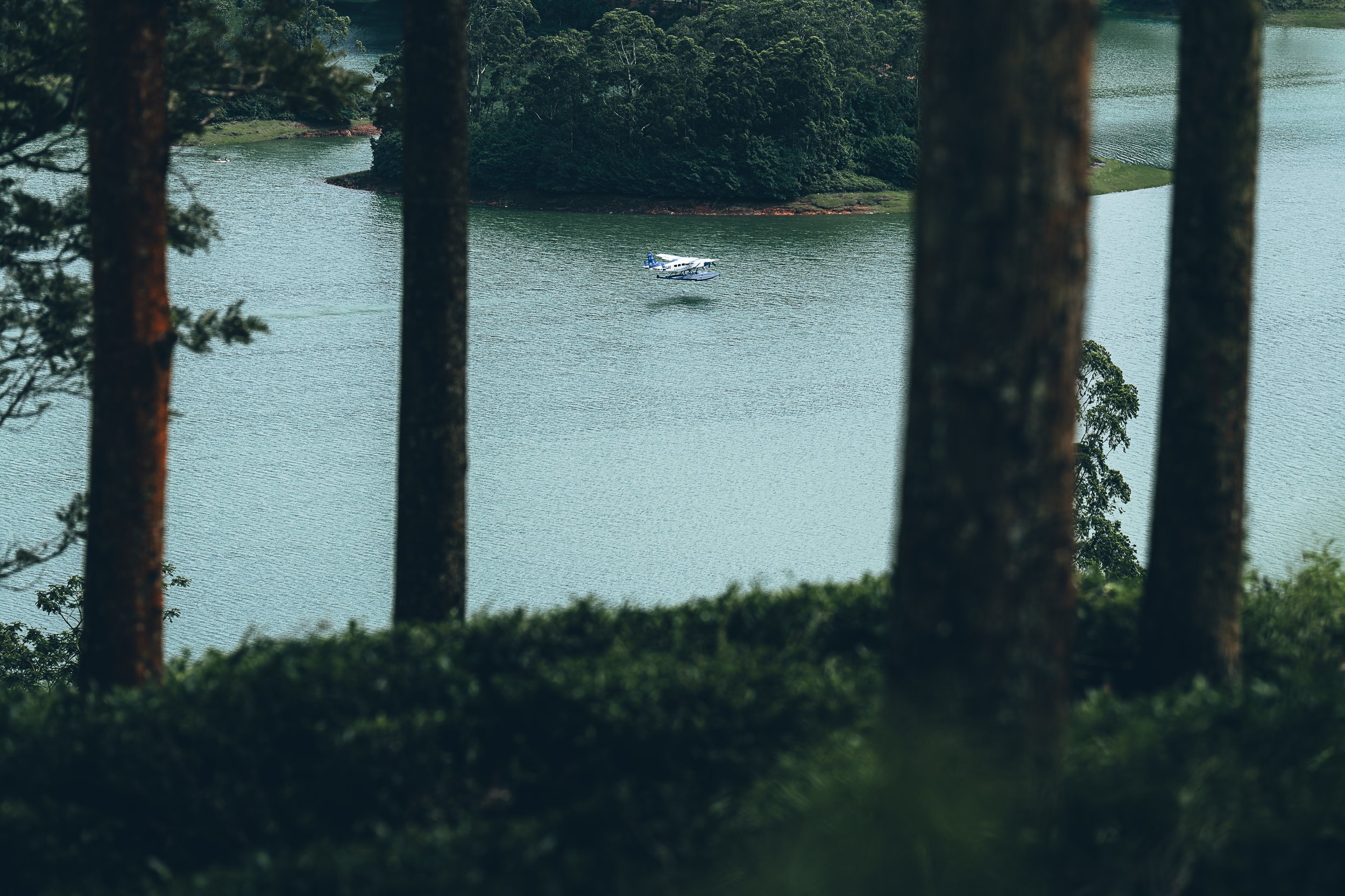
For this day at Ceylon Tea Trails, we decide to take our time. At 9am, a boat transfer takes us across the lake to Castlereagh Bungalow. We immediately fall in love with the place: it is bright, elegant and overlooks the tea plantations. We receive a warm welcome. We are given an explanation of the start of Trail 5, a more detailed map... and, tellingly, some leech repellent spray. The scene is set!
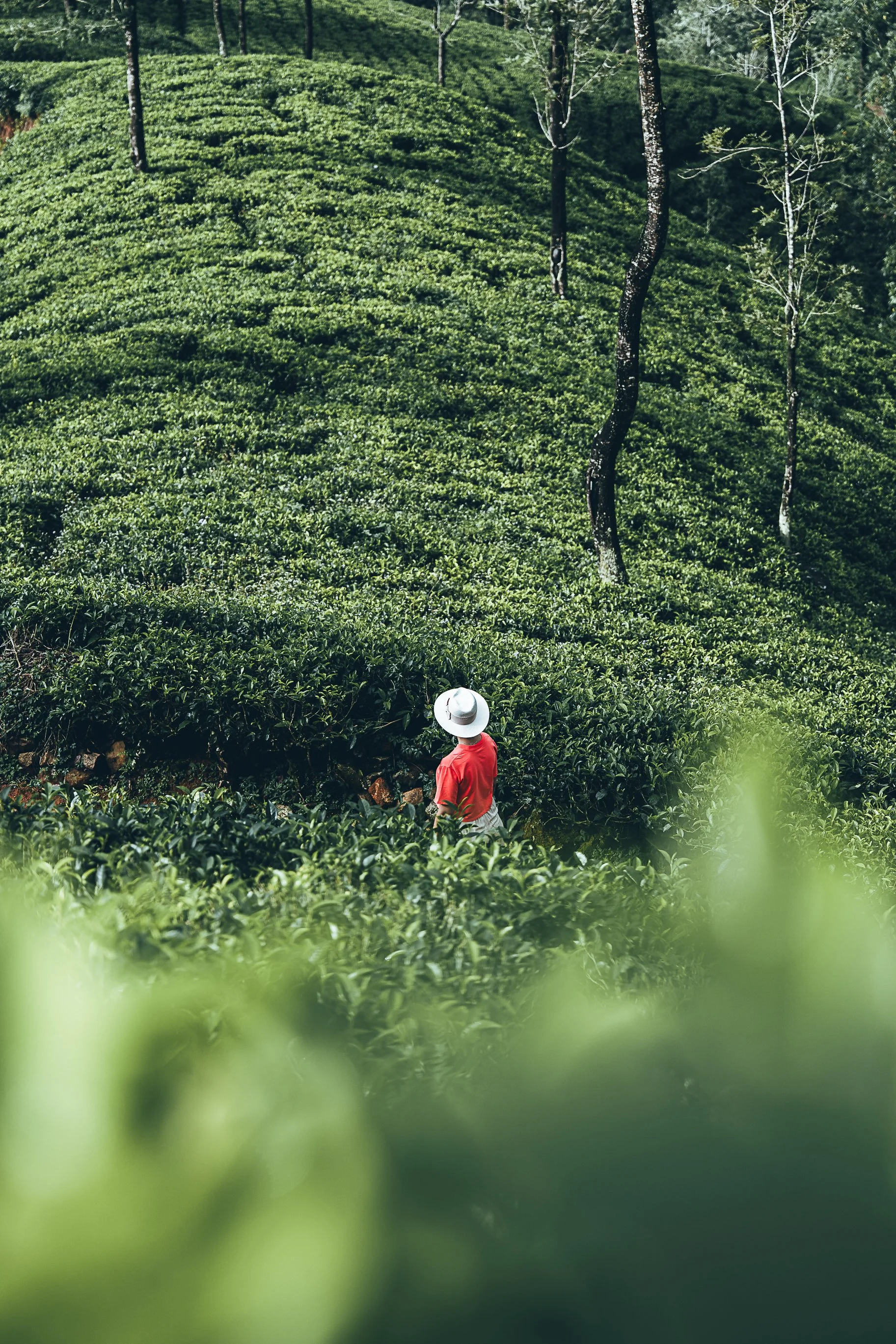
We set off on foot through the tea plantations of the Dunkeld Tea Estate, walking alongside the perfectly trimmed rows and the pickers busy harvesting. The trail passes close to the factory, then climbs gradually to Dunkeld Bungalow, the third stop on the route. We are welcomed there for a short visit and a refreshing drink, a welcome break before continuing our walk.
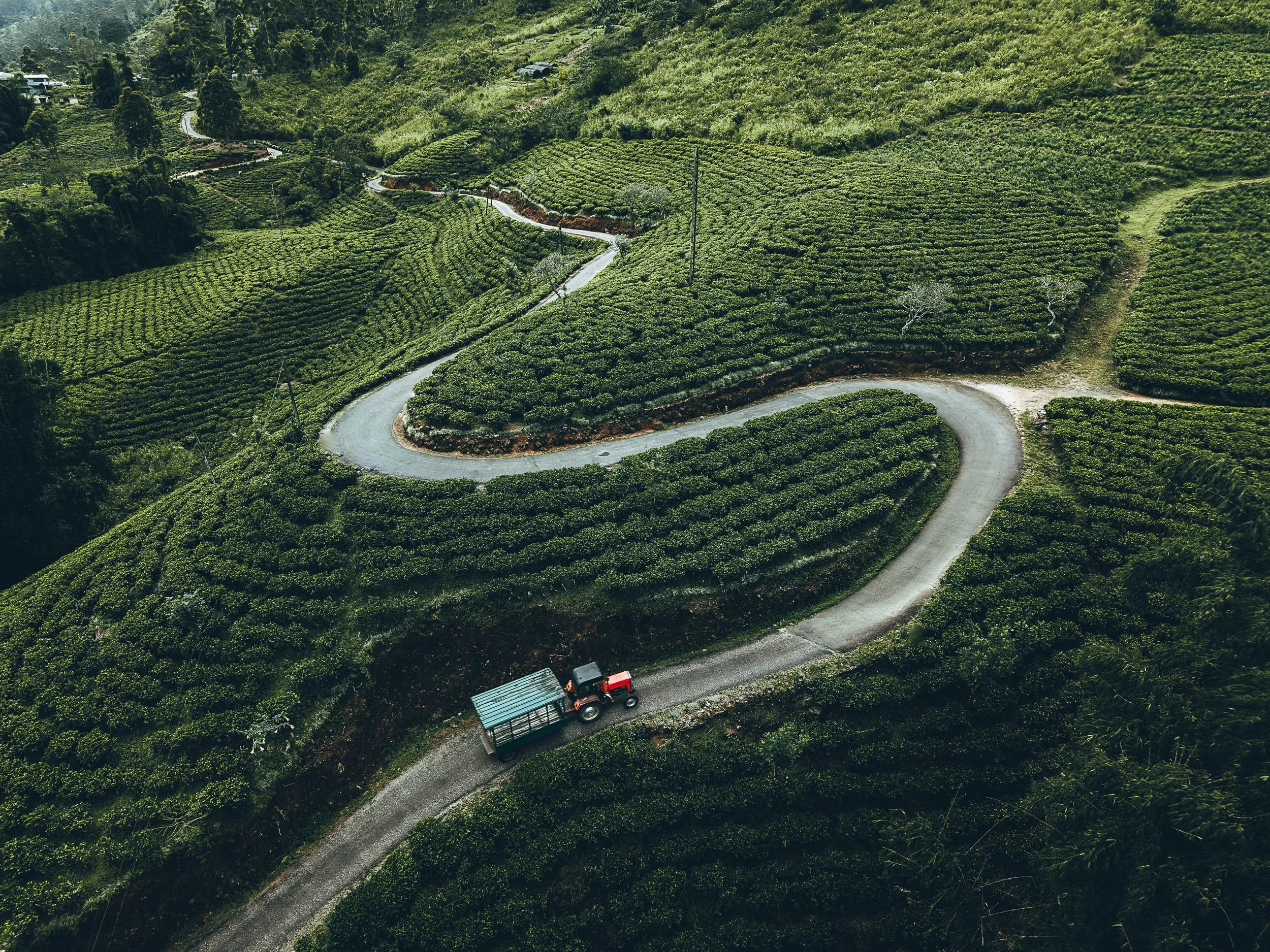
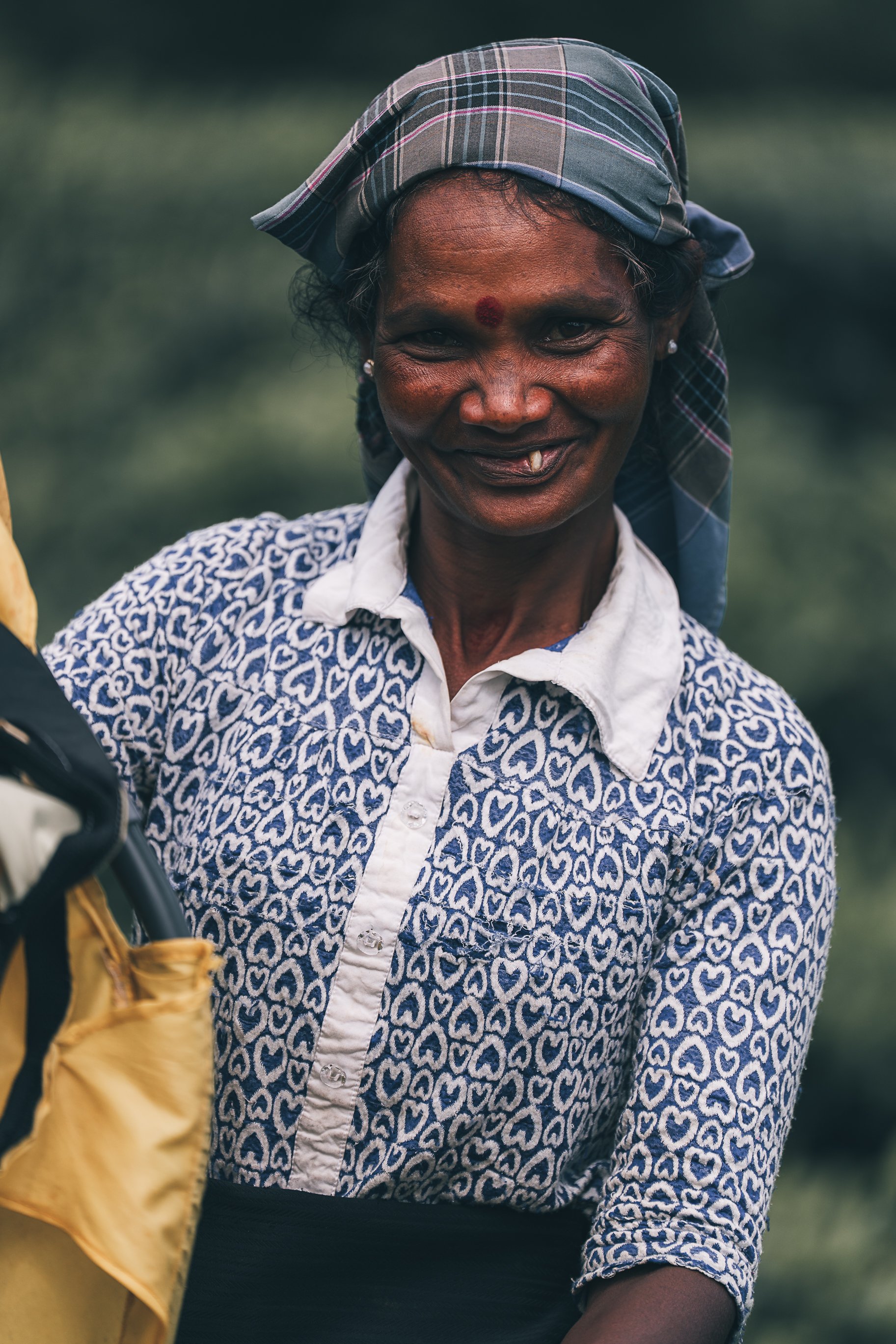
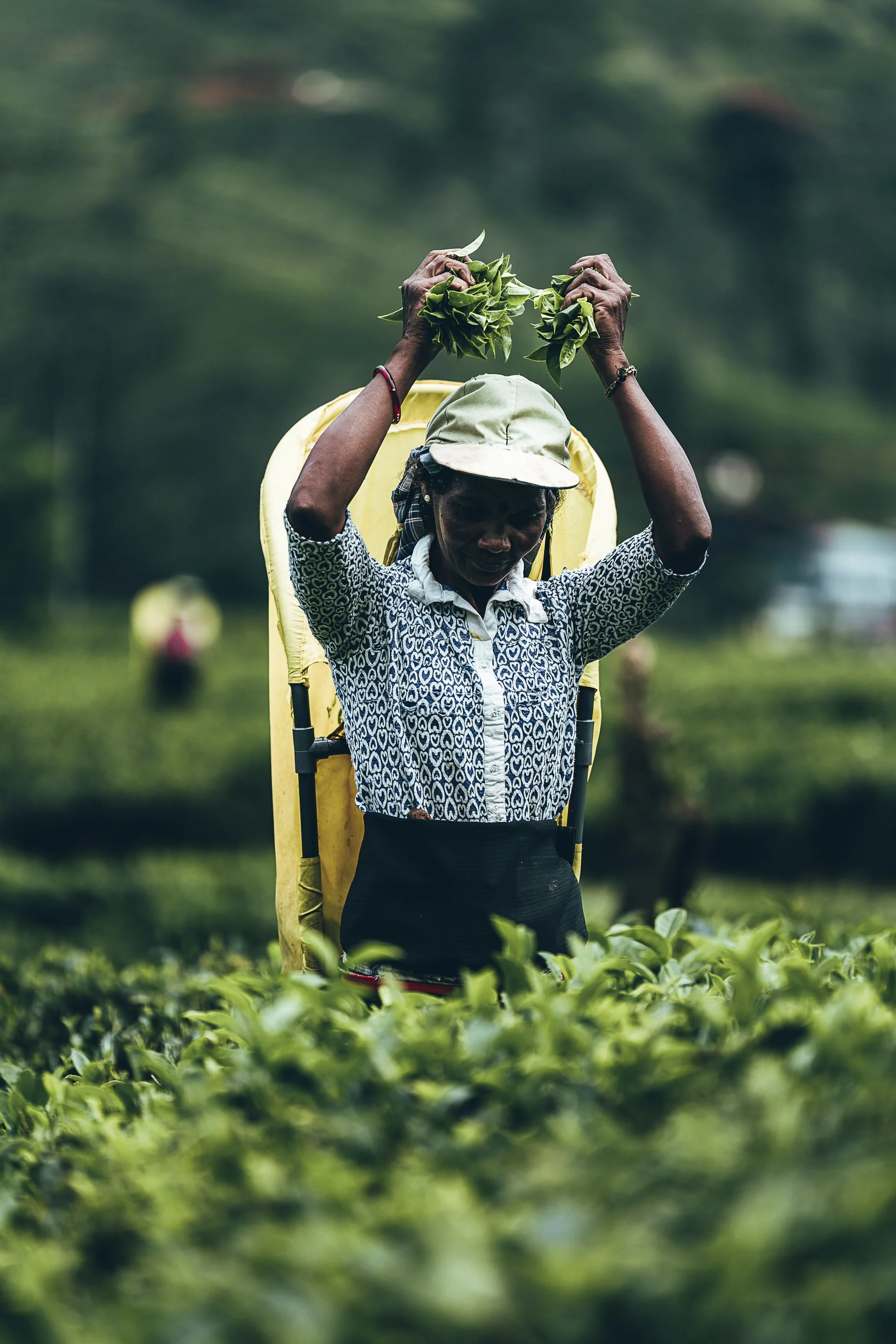
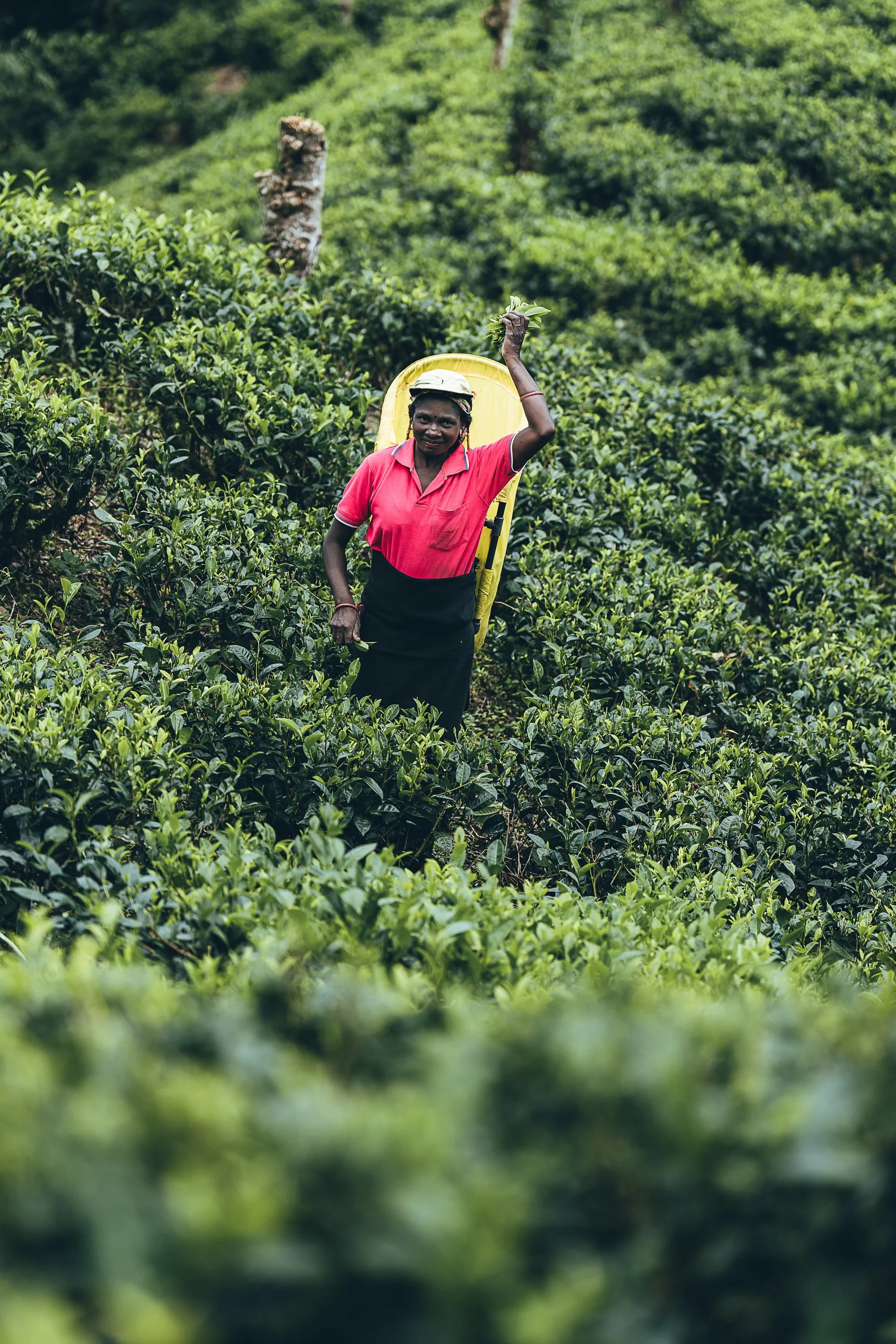
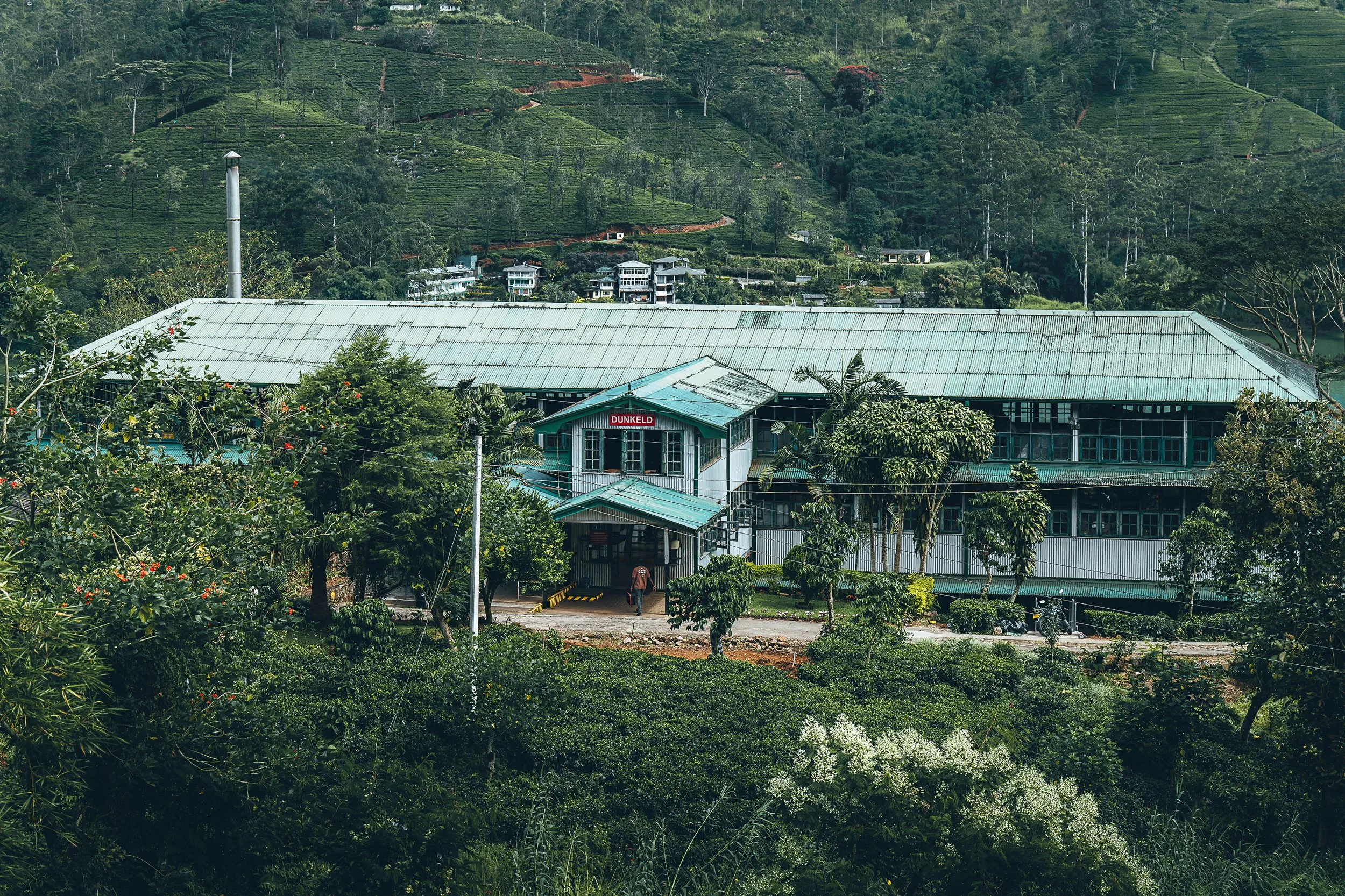
But the sky quickly clouds over, too quickly. At that moment, we realise that an earlier start would probably have been a better idea. After covering around 6 kilometres of the planned 12, the rain starts pouring down. It's impossible to continue in these conditions. A tuk-tuk comes along at just the right moment and picks us up. Communication is difficult, so Google Maps becomes our best ally, but we eventually reach Norwood Bungalow. We arrive soaked and clearly frustrated at not having completed the trail. Once again, the welcome is impeccable: aperitifs, smiles, and a table set for lunch. The weather may have cut the hike short, but the experience remains intact.
The weather shows no sign of letting up. Retracing our steps to cover the part of the trail we missed in the morning is clearly not an option. Originally, the plan was simple: return directly to our bungalow after walking 12 km. But our morning crush on Castlereagh Bungalow is still on our minds. So, on a bit of a whim, we ask if it would be possible to organise afternoon tea there. The immediate response: of course. A few moments later, someone comes to collect us.
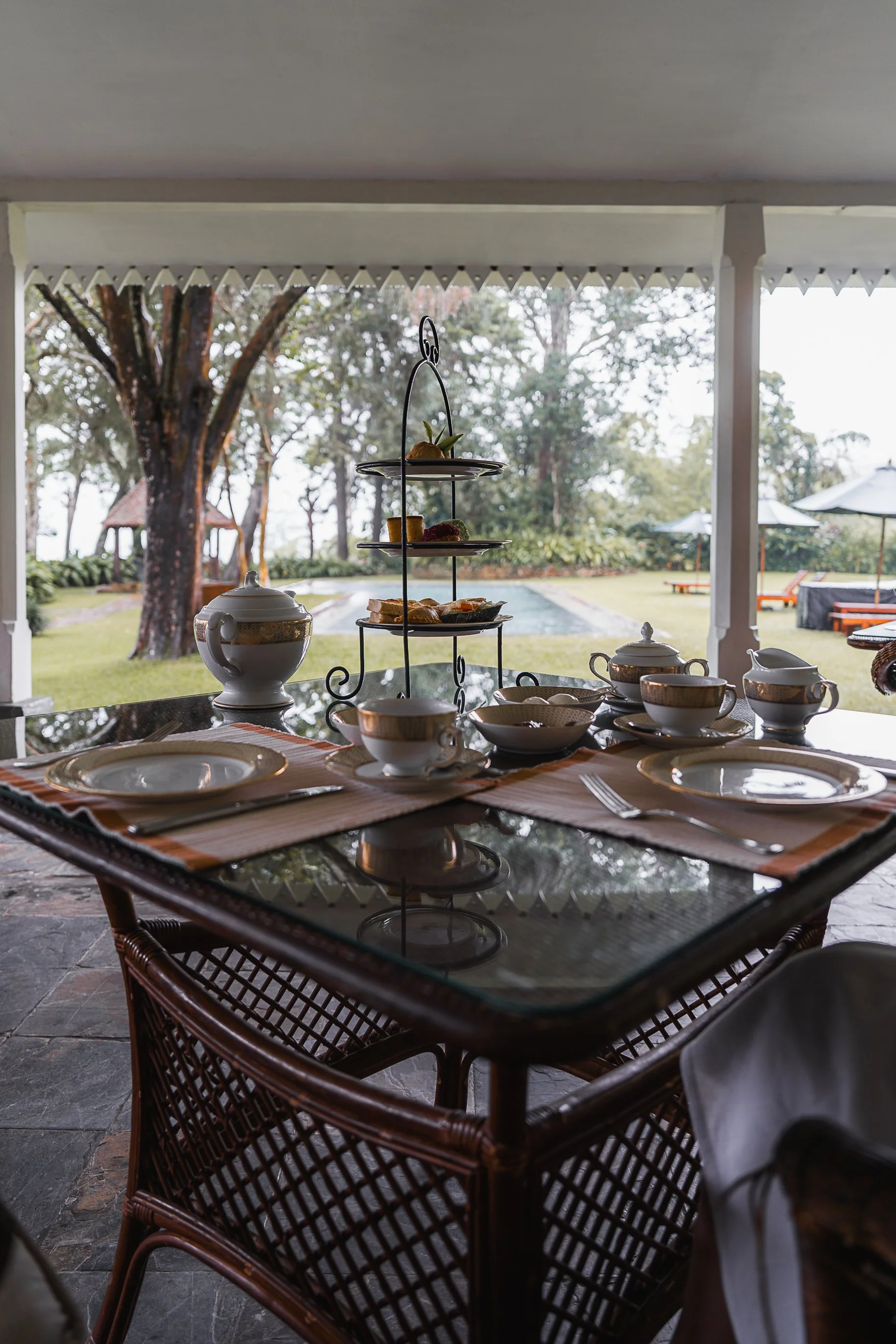
The afternoon unfolds under torrential rain, in the very British elegance of Castlereagh: steaming tea, sweet treats, large windows opening onto plantations shrouded in mist. And, we must admit, we haven't stopped eating all day... a pleasure we fully embrace in this timeless setting. After afternoon tea, we took the boat back to our bungalow, the lake shrouded in rain and silence. After changing and warming up, we prepared to enjoy a traditional Sri Lankan dinner, the perfect way to end our day at Ceylon Tea Trails.
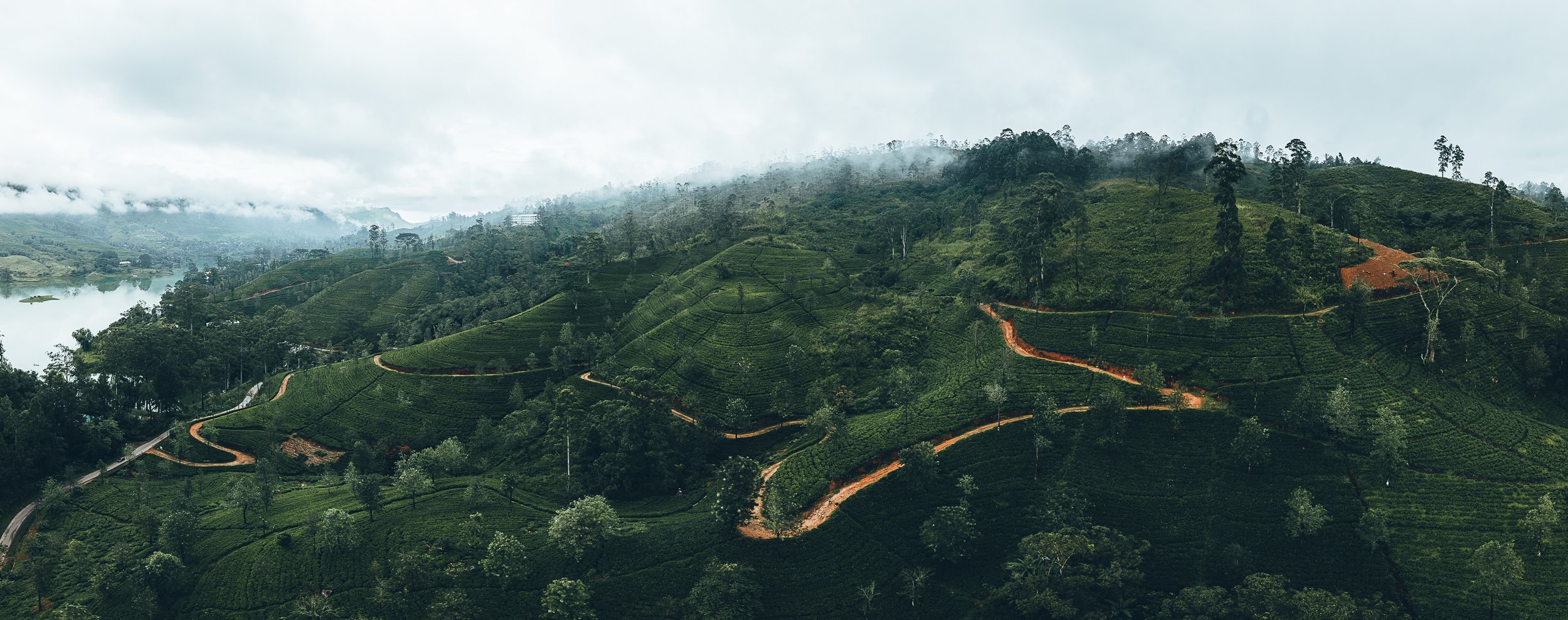
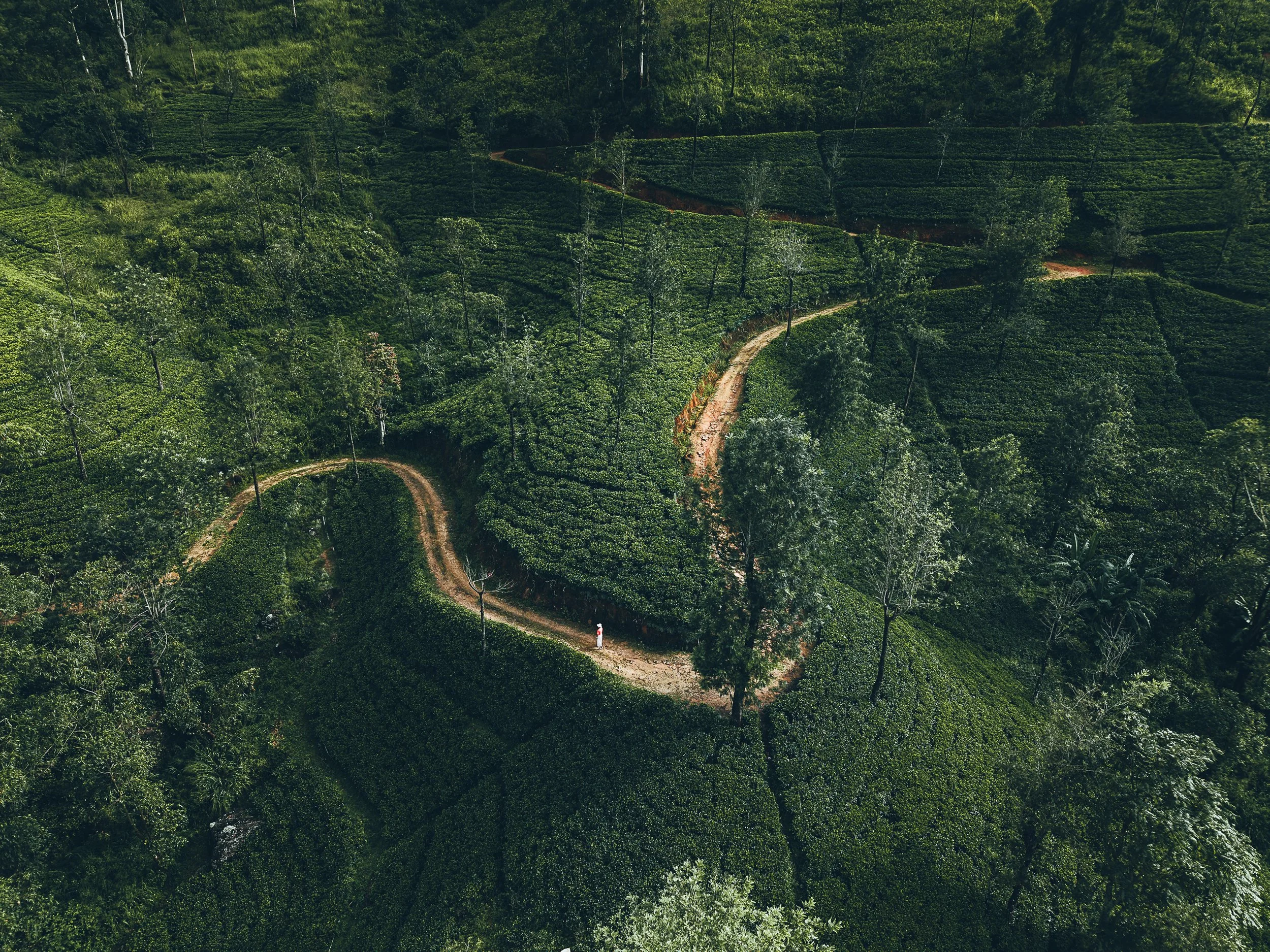
The next morning, we woke up early. We set off directly from behind our bungalow to follow Trail 1, which crosses the hills of the Wanarajah Estate.
From the very first steps, the feeling was the same as the day before: we were alone, far from mass tourism. Walking at this time of day, in the heart of the rolling tea plantations, was a real privilege. We take our time, observing our surroundings and walking without rushing. We extend our walk as long as possible before turning back towards the bungalow, just in time to enjoy one last breakfast with a view of the tea hills.
Where to stay in Hatton
Ceylon Tea Trails - Our favourite ❤️This hotel consists of five restored historic bungalows, formerly the residences of tea planters, scattered among green hills and tropical gardens. Each bungalow has its own style, atmosphere and unique view of the tea landscapes.
Summerville Bungalow ❤️
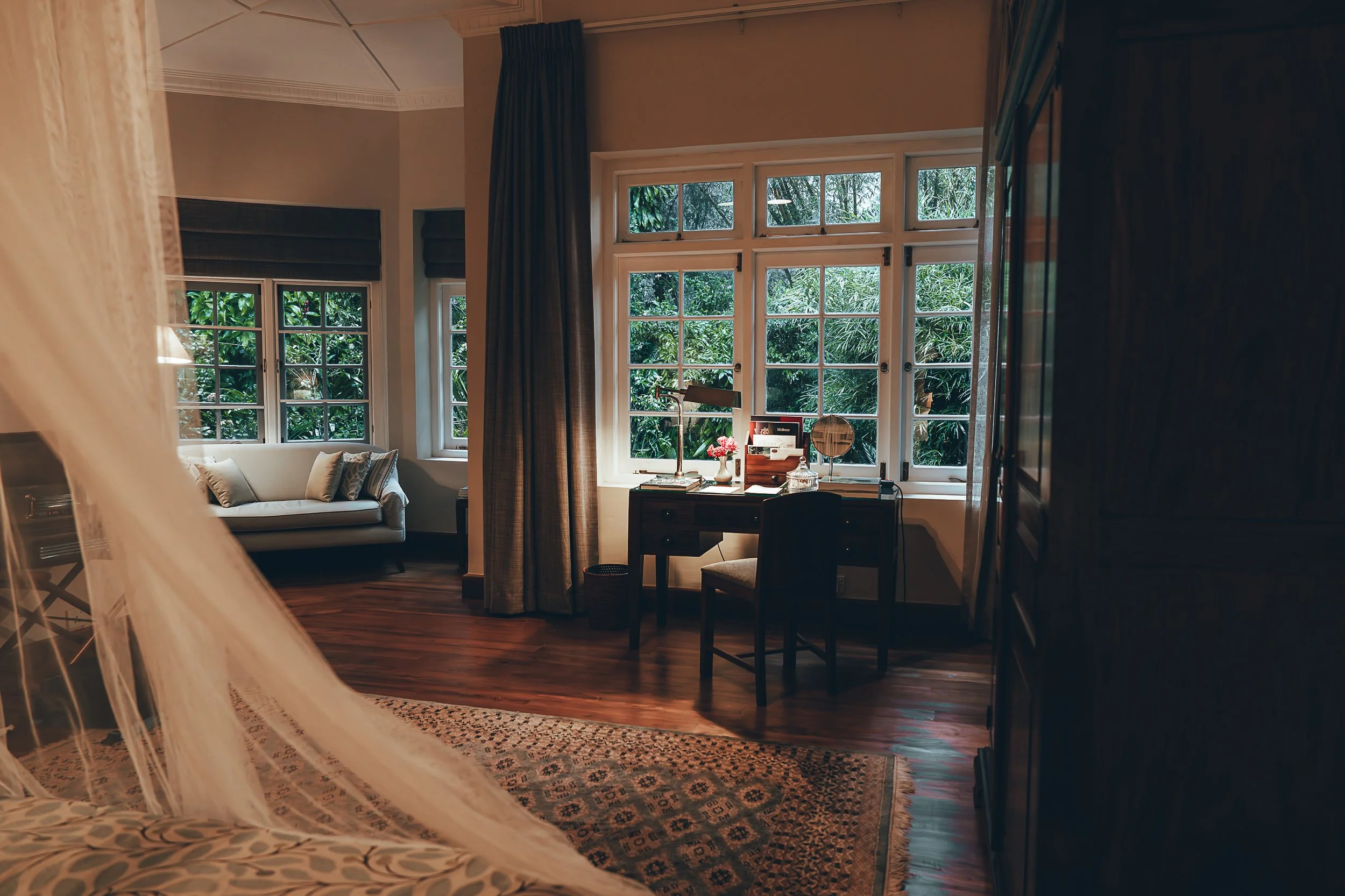
Located on the lakefront, Summerville offers a feeling of total tranquillity from the moment you arrive.
Highlights: large rooms with four-poster beds, some with private gardens, superb infinity pool.
Atmosphere: relaxed ‘country cottage’ feel, with panoramic views of the water and surrounding hills.
Castlereagh Bungalow ❤️ ❤️
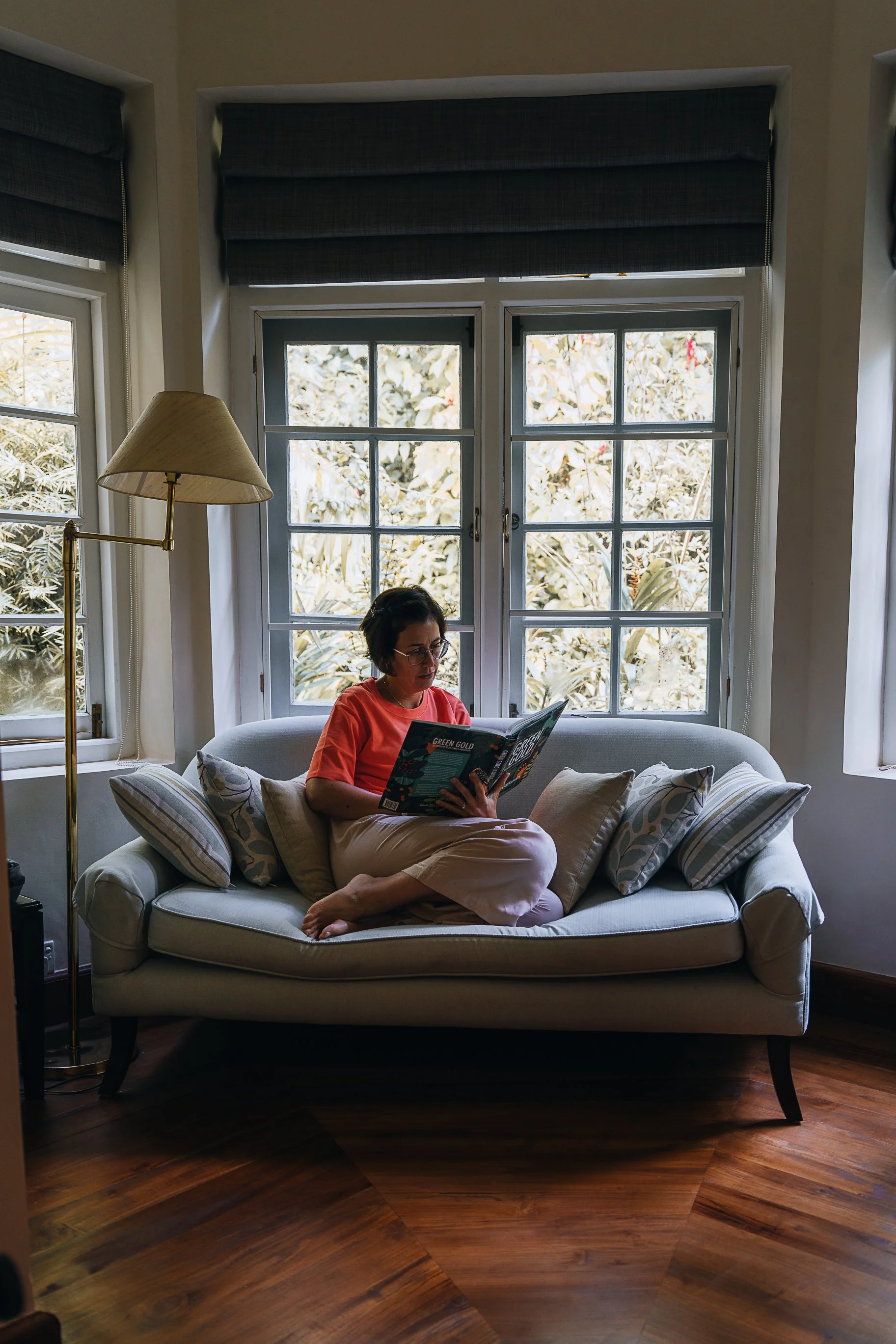
A bungalow from the last century nestled in a small wooded valley, close to the waters of Castlereagh Lake.
Highlights: large, recently renovated suites with eclectic and colourful décor, a spacious lounge opening onto a terrace, and a swimming pool and jacuzzi overlooking the lake.
Atmosphere: elegant yet relaxed, ideal for afternoon tea by the water or reading in the garden.
Dunkeld Bungalow
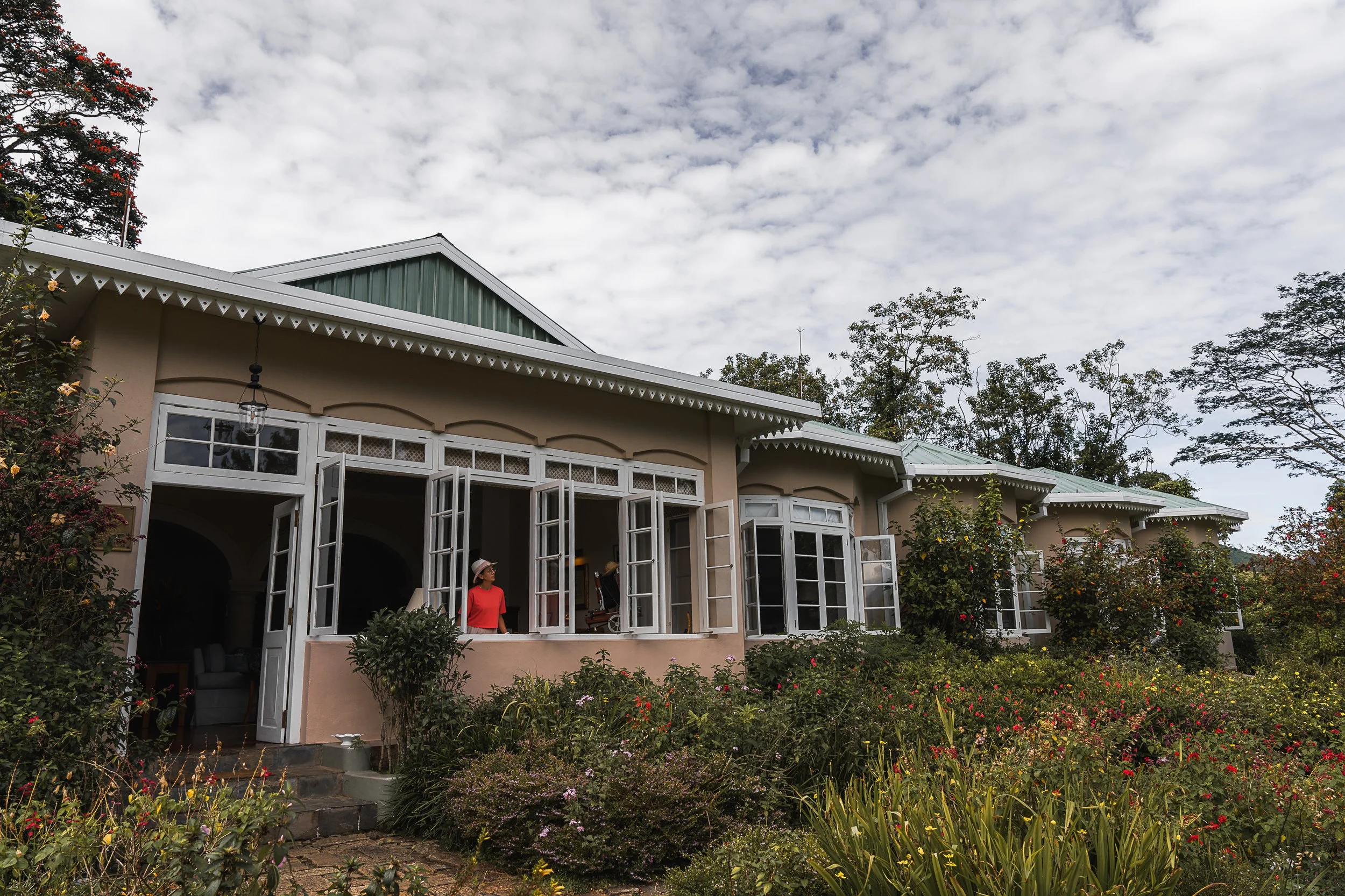
Perched above Castlereagh Lake, Dunkeld is one of the bungalows with the most beautiful views on the estate.
Highlights: sweeping panoramas of the valley and the Great Western Range mountain range, infinity pools, jacuzzi.
Atmosphere: colonial elegance, perfect for morning strolls along the tea trails.
Norwood Bungalow
Located a little further away, Norwood offers a more relaxed and family-friendly atmosphere.
Highlights: six spacious suites with period furniture, billiard room, large lounges, extensive croquet lawn and jacuzzi.
Atmosphere: a peaceful retreat, often perfect as a base for exploring the trails or relaxing after a day's walking.
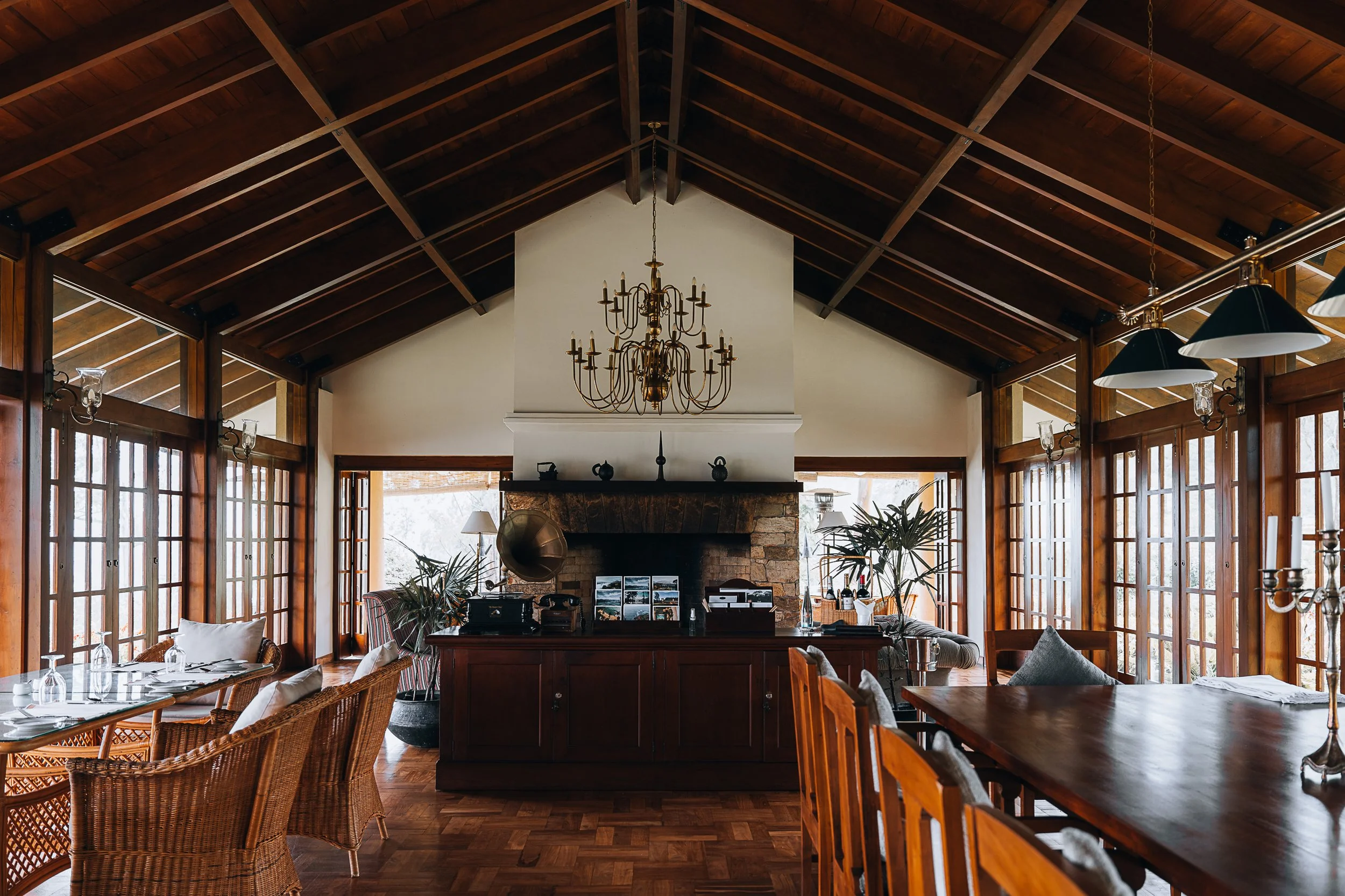
Tientsin Bungalow (pas visité)
The oldest of them all, built in 1888, Tientsin is a real journey back in time.
Special feature: it owes its name to a Chinese village where the first tea plants originated, and has a real historical aura.
Atmosphere: very British, with old-world charm enhanced by colonial décor, gardens and typical relaxation areas.
Each bungalow tells a different story, but they all share these common features: refined comfort without ostentation, personalised service with a butler, well-maintained gardens, views of the plantations and an atmosphere that invites relaxation.
→ UDA WALAWE [ 1 night ]
At midday, after making the most of our time at Ceylon Tea Trails, Lalinda picks us up to continue our journey towards Uda Walawe. Before the scenery changes completely, we cross the Bogawantalawa Valley, surrounded by tea plantations stretching as far as the eye can see. The light is beautiful, the weather still mild, and this final crossing of the highlands is a real pleasure. It is only after crossing a mountain pass that the weather takes a turn for the worse. The rain gradually catches up with us and does not let up until evening, gently marking the transition to a new region of Sri Lanka.
Uda Walawe National Park
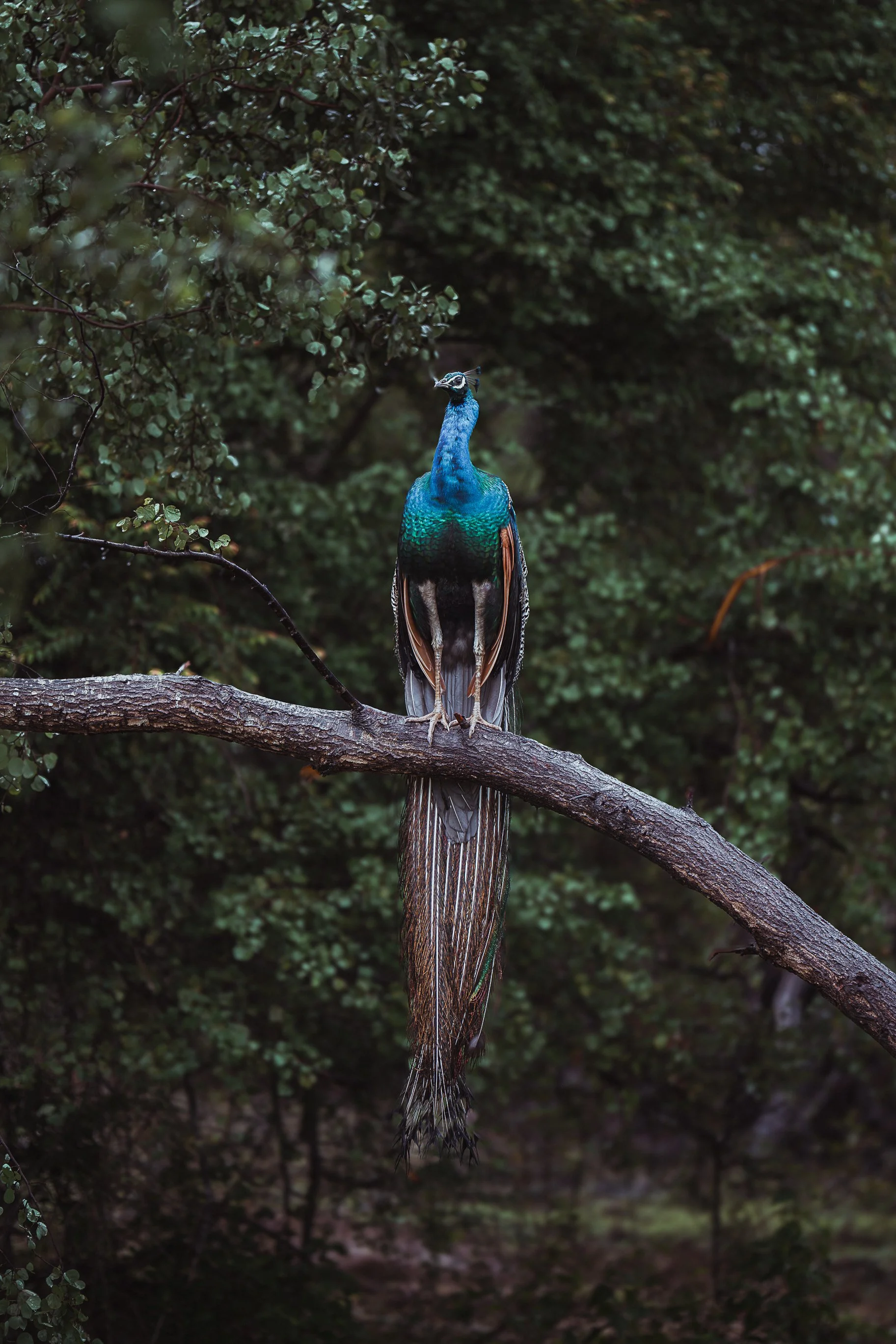
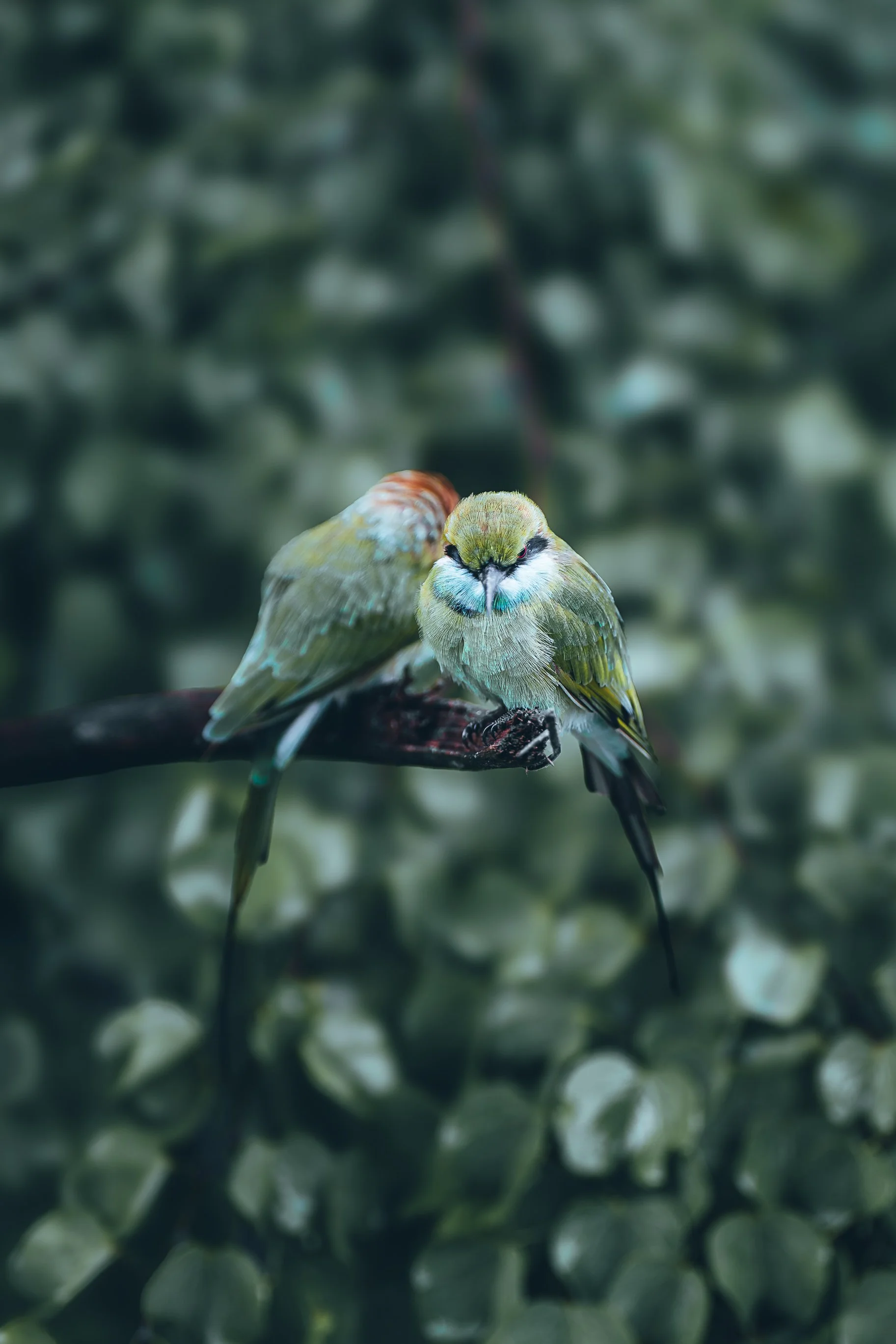
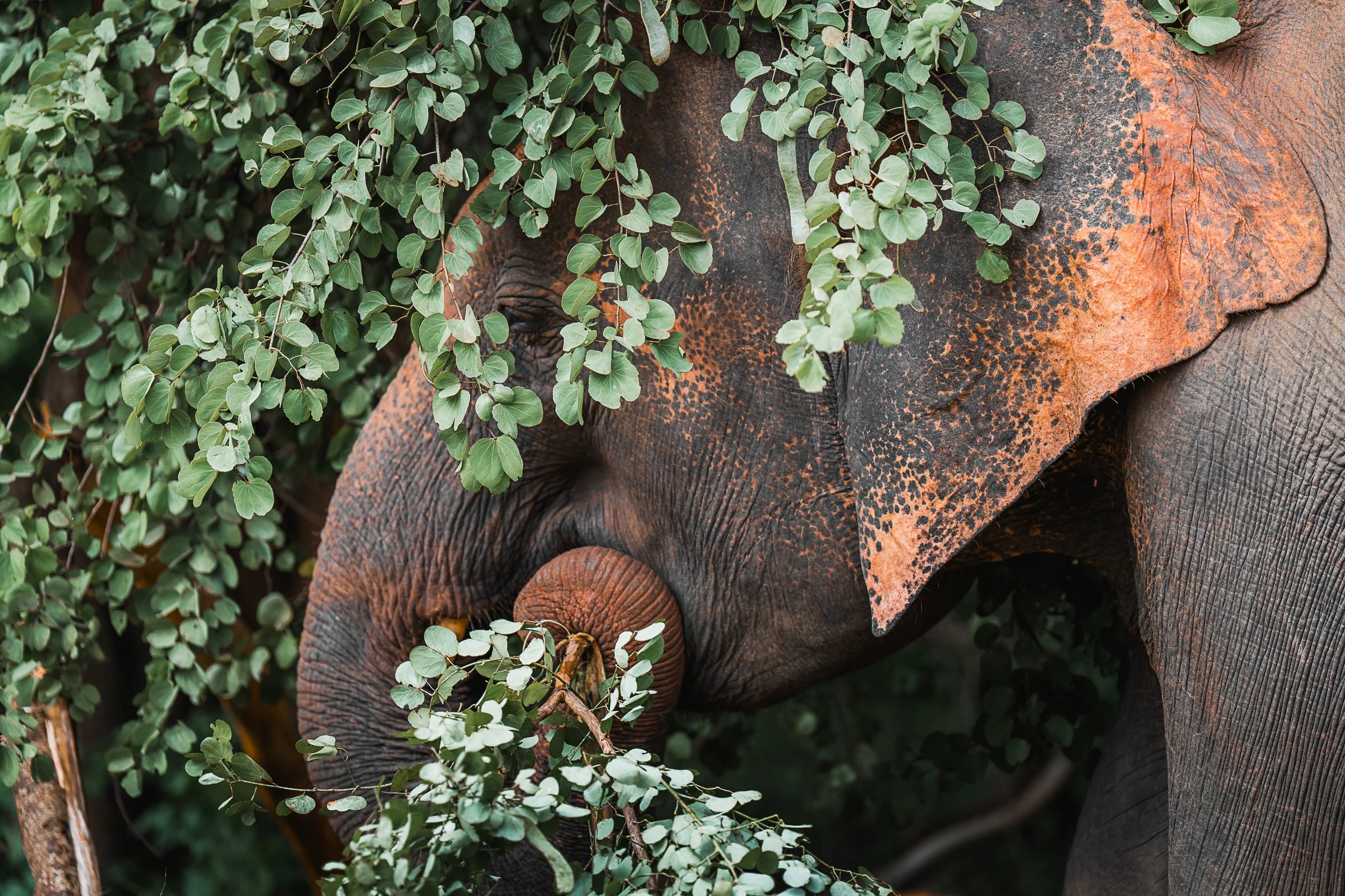
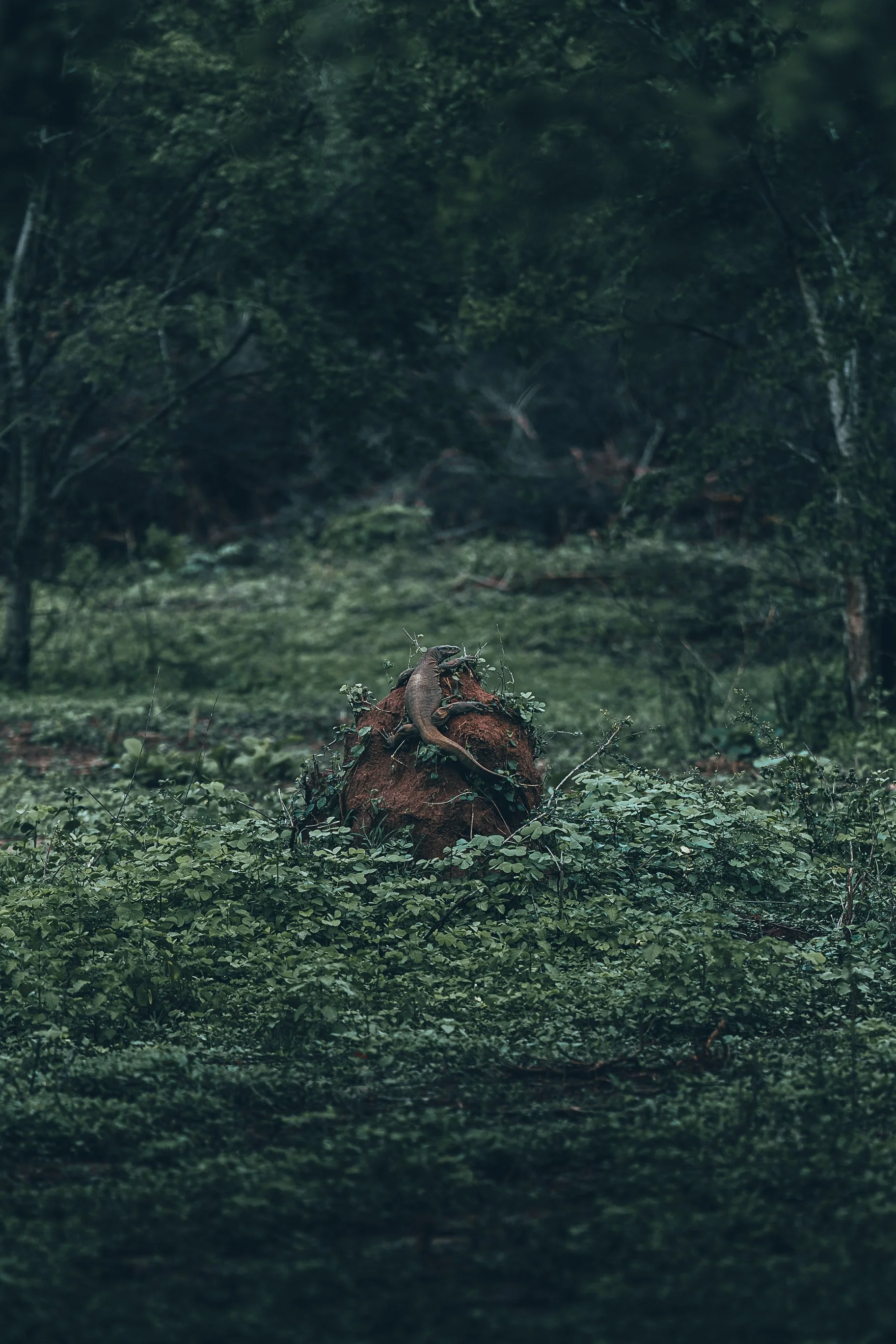
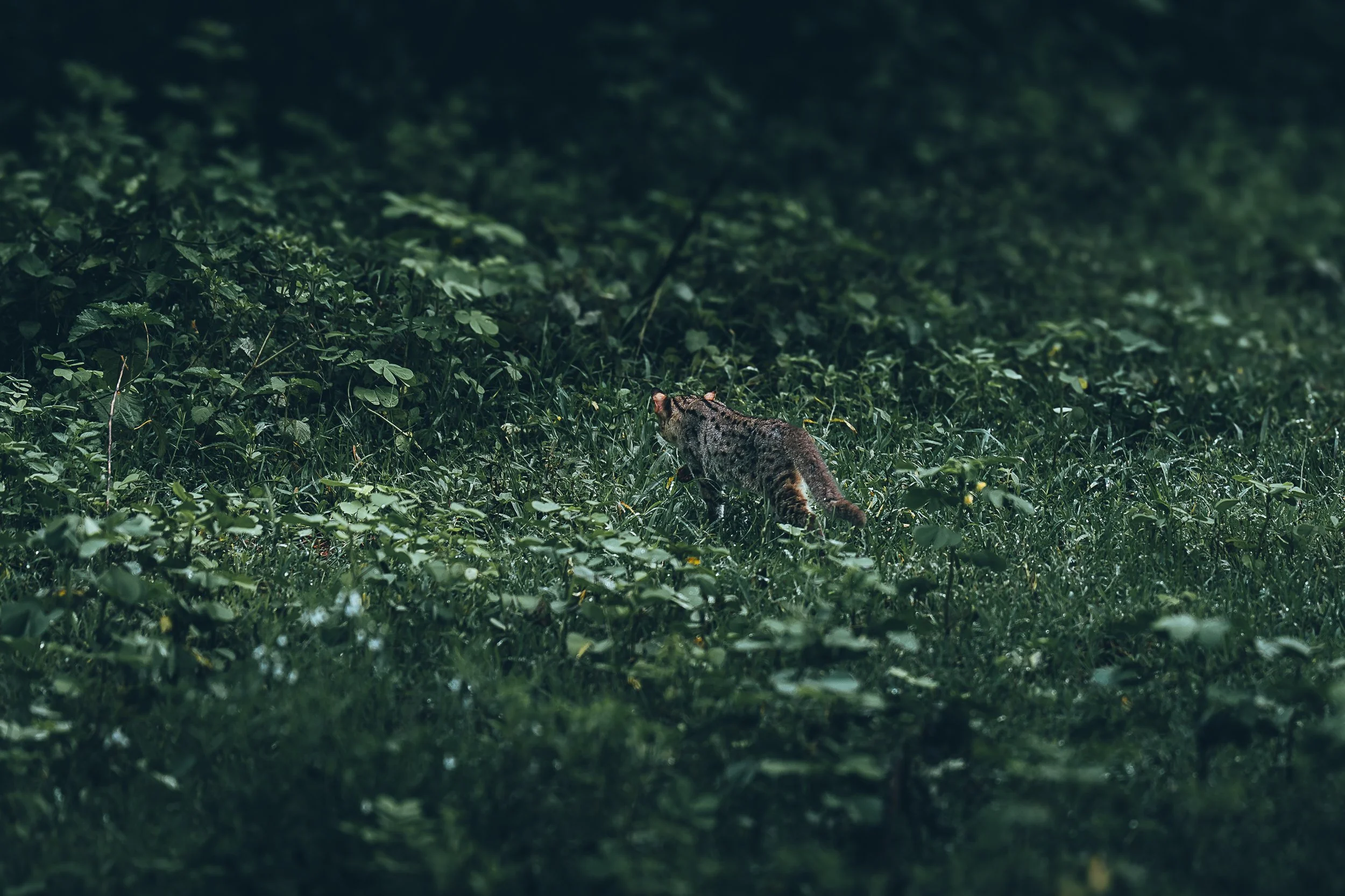
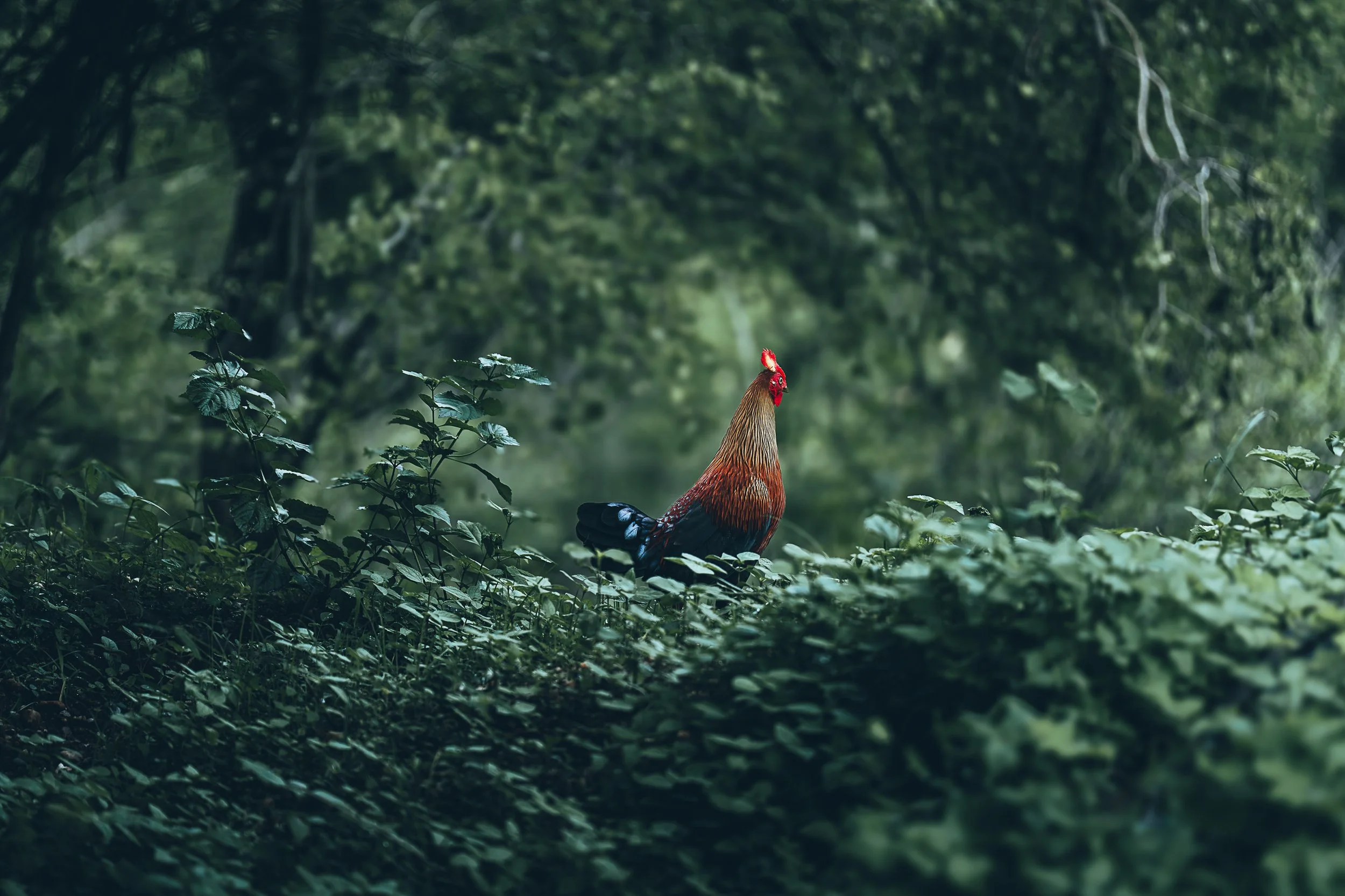
After a night at Athgira River Camp, the alarm clock rings very early. The goal is clear: to be at the park gates at 6:30 a.m., the ideal time to maximise sightings before the mass arrival of jeeps. The morning safari proves to be rich in discoveries. We observe a wide variety of birds, particularly active at this time of day, but also a well-camouflaged crocodile on the banks and, with a little luck, a elusive wild cat, glimpsed for only a few moments. We also encounter a family of elephants, a highlight on paper. Unfortunately, the scene is quickly spoiled by the excessive proximity and number of jeeps, which create an atmosphere that is too intrusive for our liking. This situation contrasts with the wild beauty of the place and leaves us with mixed feelings about this part of the experience.
Where to stay | Where to eat in Uda Walawe
Athgira River Camp is a safari-style experience that contrasts with the rest of our trip. The tents are spacious, clean and well appointed, with an atmosphere reminiscent of African lodges, right down to the materials and style of decoration.
On paper, the idea is appealing. In practice, the experience is a little strange: we're not really in Africa, and this safari setting seems more constructed for the imagination than for the reality of the place. One of the limitations we felt was the positioning of the tents: too close to each other, which greatly reduces the feeling of privacy. Add to that a large group of French tourists who arrived by coach, and the ‘intimate safari’ atmosphere is immediately dampened. In summary: Athgira River Camp offers decent comfort and well-maintained tents, but the overall experience is a little too artificial for our taste, especially if you are hoping for a more authentic immersion in nature.
→ GALLE [ 1 night ]
Before continuing our journey to the coast, we stop at the Udawalawe Elephant Transit Home, a centre dedicated to rehabilitating orphaned baby elephants before returning them to the wild. The site is located on the edge of the national park and plays an important role in protecting the species in Sri Lanka. Watching the feeding is a lovely moment, both moving and informative. The baby elephants arrive in groups, free to move around, and head towards the keepers to receive their milk. It is best to stand on the right-hand side of the platform, where you are closer to the baby elephants and have a much better view.
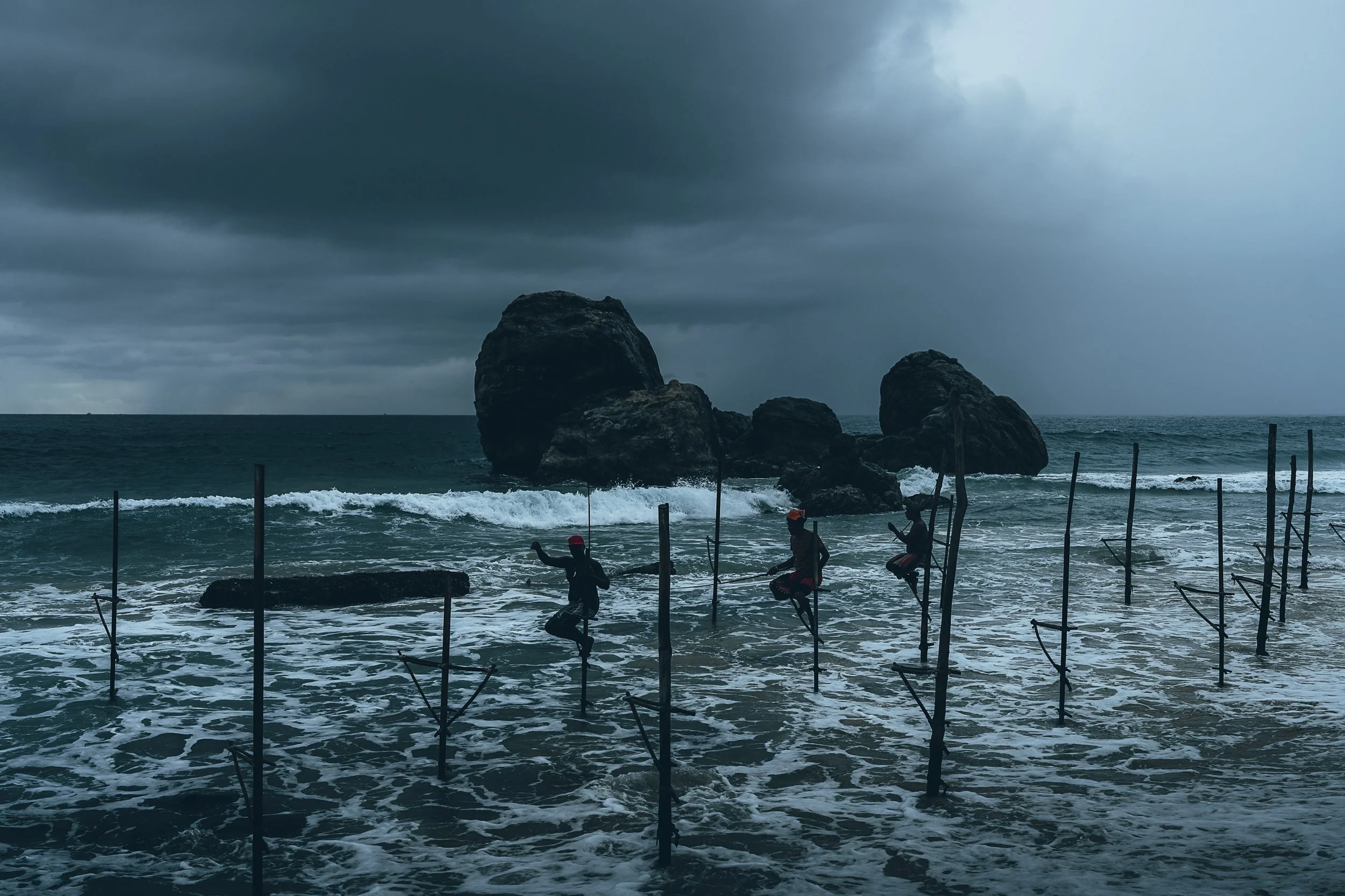
We finally reach the coast heading towards Galle, but once again, the weather catches up with us. Rain joins us on the itinerary and accompanies us for much of the journey. Despite this, we make a short stop to see the stilt fishermen, an iconic image of Sri Lanka. Although the scene is photogenic, the place is now very touristy and staged, and the authenticity we had hoped for is somewhat diluted. So, we take a quick break before setting off again in the rain, heading for Galle.
The next day, without knowing it yet, we enjoy our last day in pleasant weather. We set off to explore the old town of Galle, and it is a real pleasure to stroll through its narrow streets steeped in history.
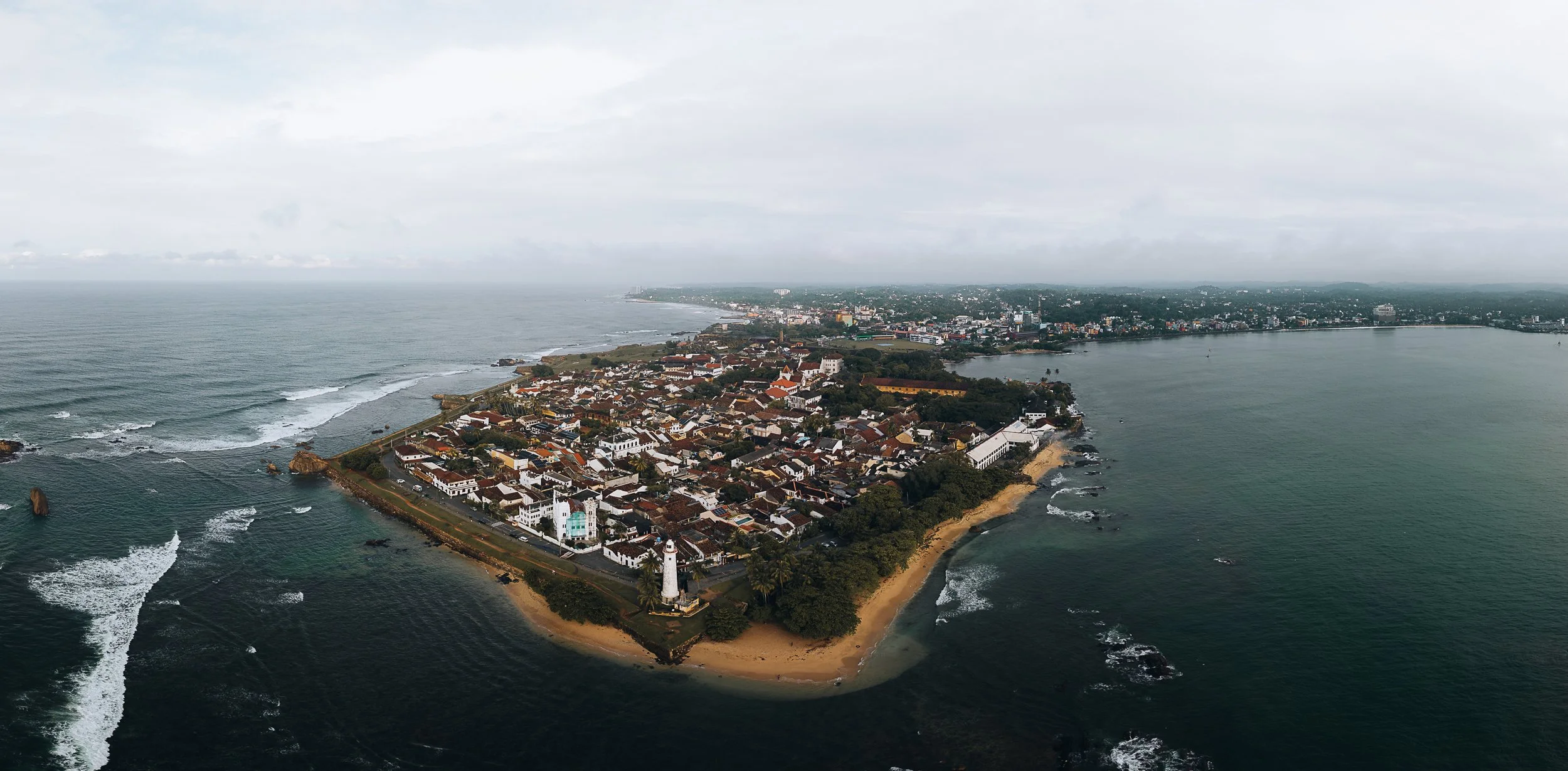
Between colonial houses, colourful façades, small shops and cafés, the atmosphere is gentle and exotic. Galle Fort, a UNESCO World Heritage Site, offers a unique atmosphere, combining colonial heritage and tropical lifestyle. We take our time, with no particular destination in mind, simply carried away by the charm of the place and the still gentle light.
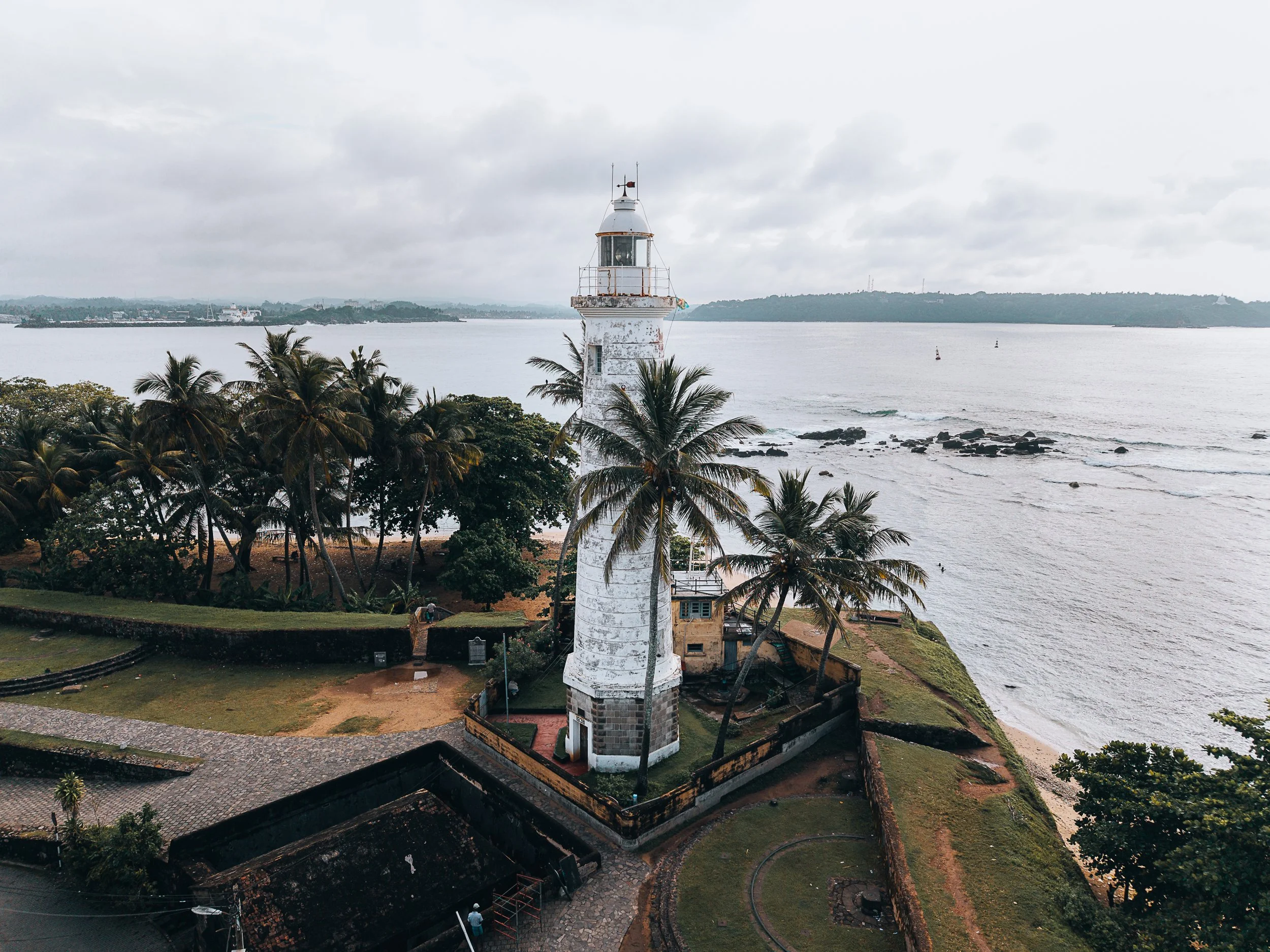
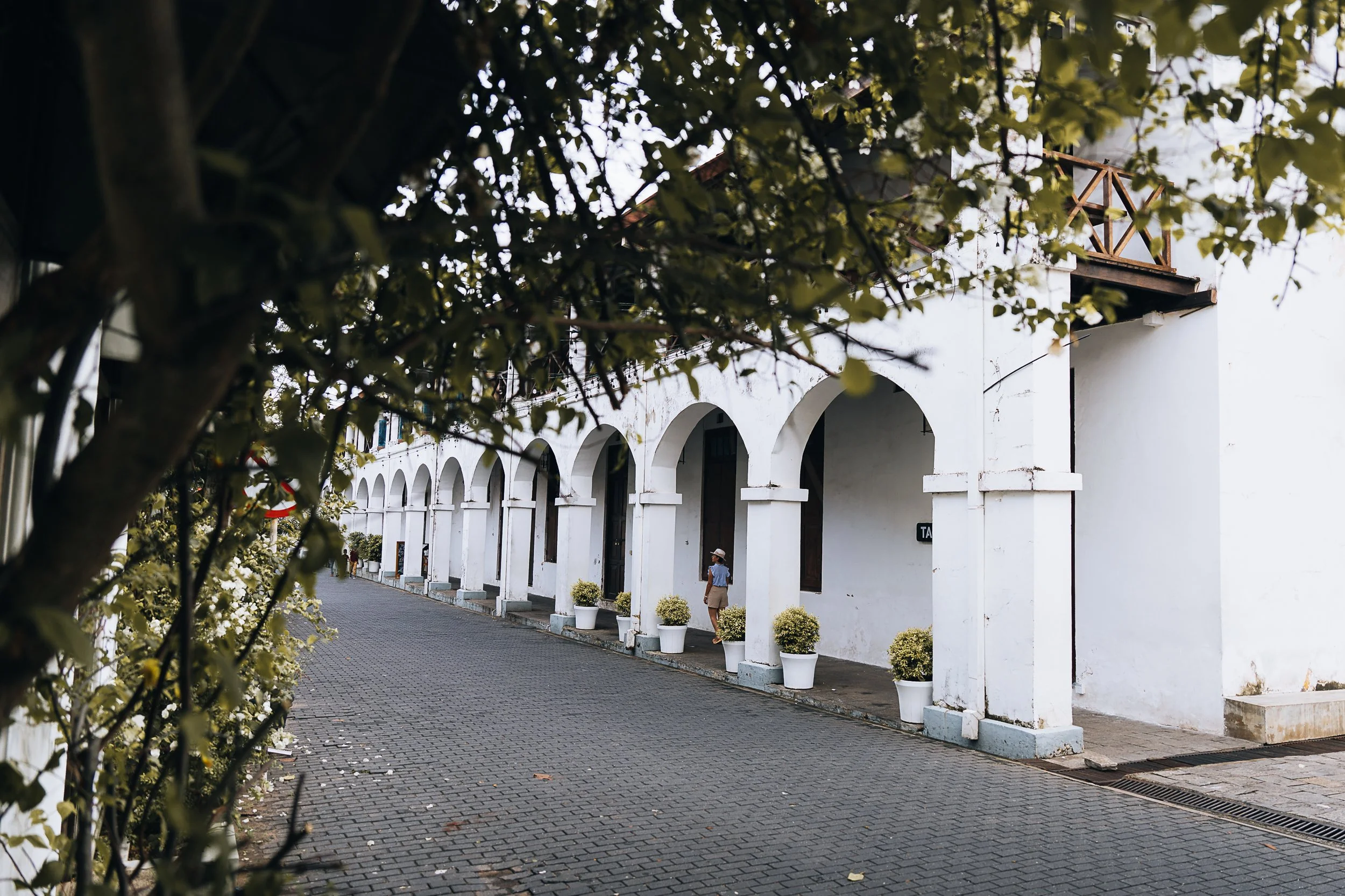
At the end of the day, we leave Galle to return to our hotel in Dodanduwa, on the coast. It is also time to say goodbye to Lalinda, who has accompanied us for ten days across Sri Lanka. An attentive driver, always smiling, who has become a true travelling companion over the miles. A parting that marks the end of a very beautiful part of this journey.
Where to stay | Where to eat in Galle
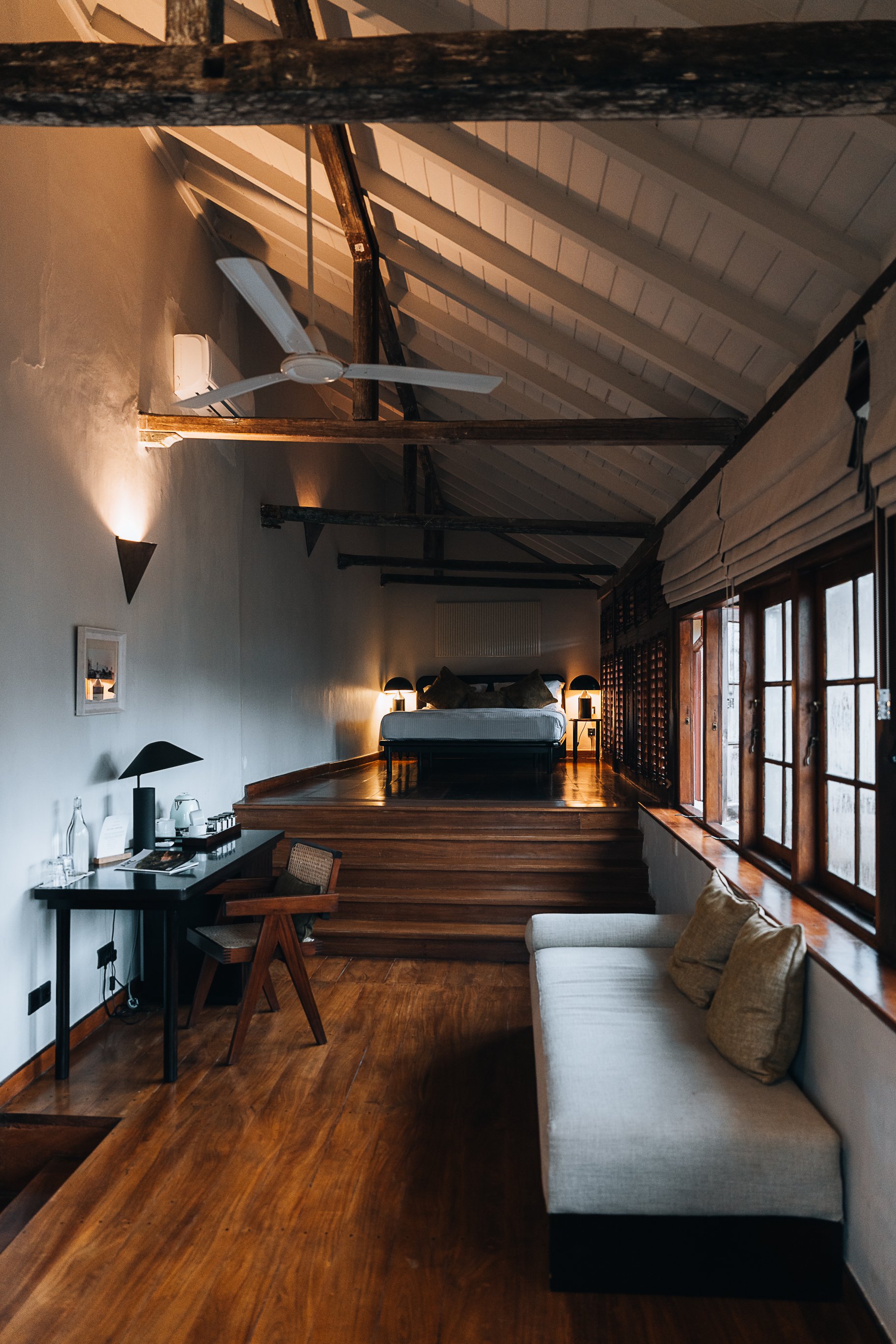
The Fort Printer - Our favourite ❤️
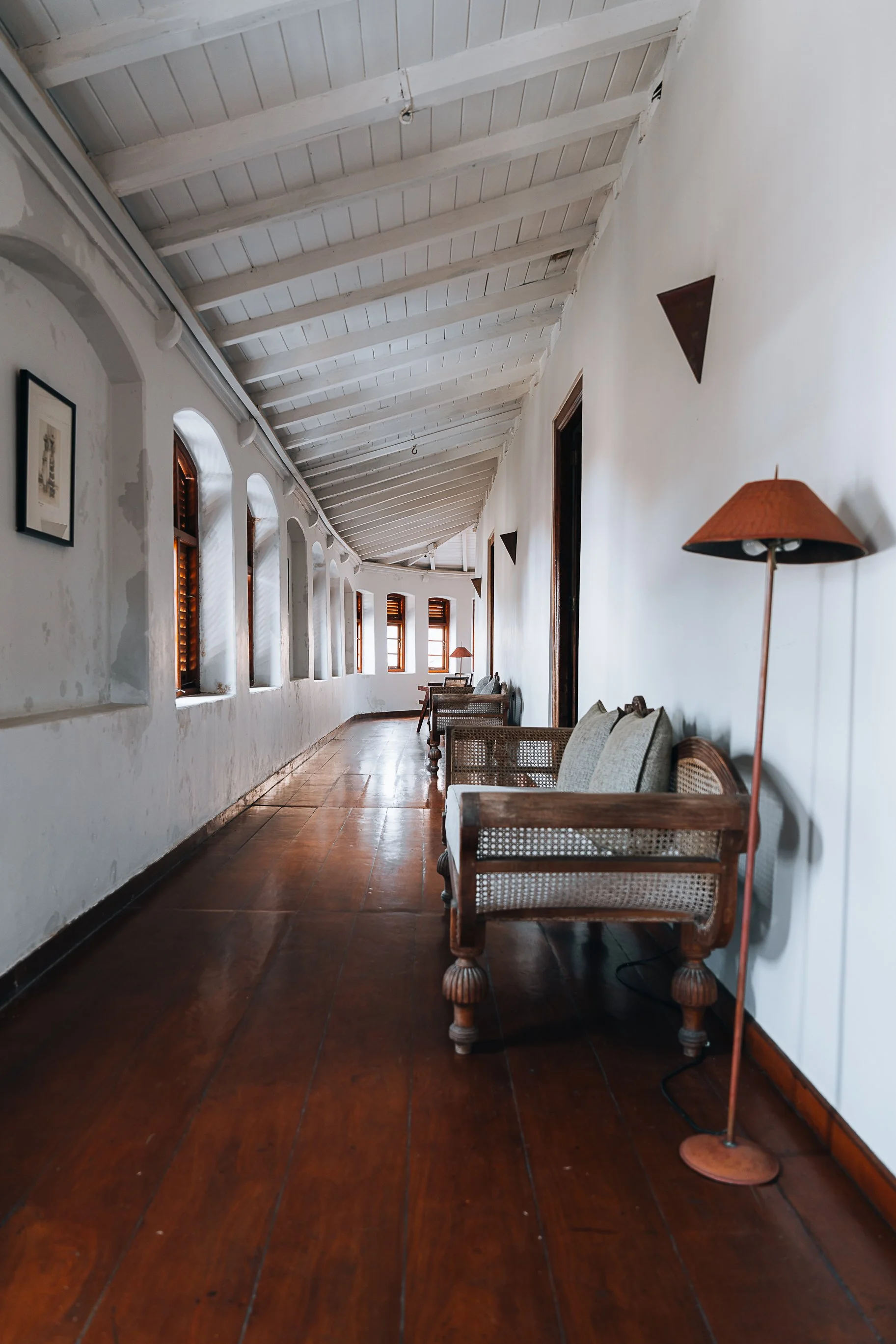
For our stop in Galle, we stayed at The Fort Printers, a charming boutique hotel located in the heart of the old walled city. Housed in a restored historic building, this hotel occupies the former premises of a printing press and bookbinding workshop dating back to colonial times, and later a school. You can still feel the soul of these places, where craftsmanship, history and period architecture blend together, now enhanced by a refined renovation.
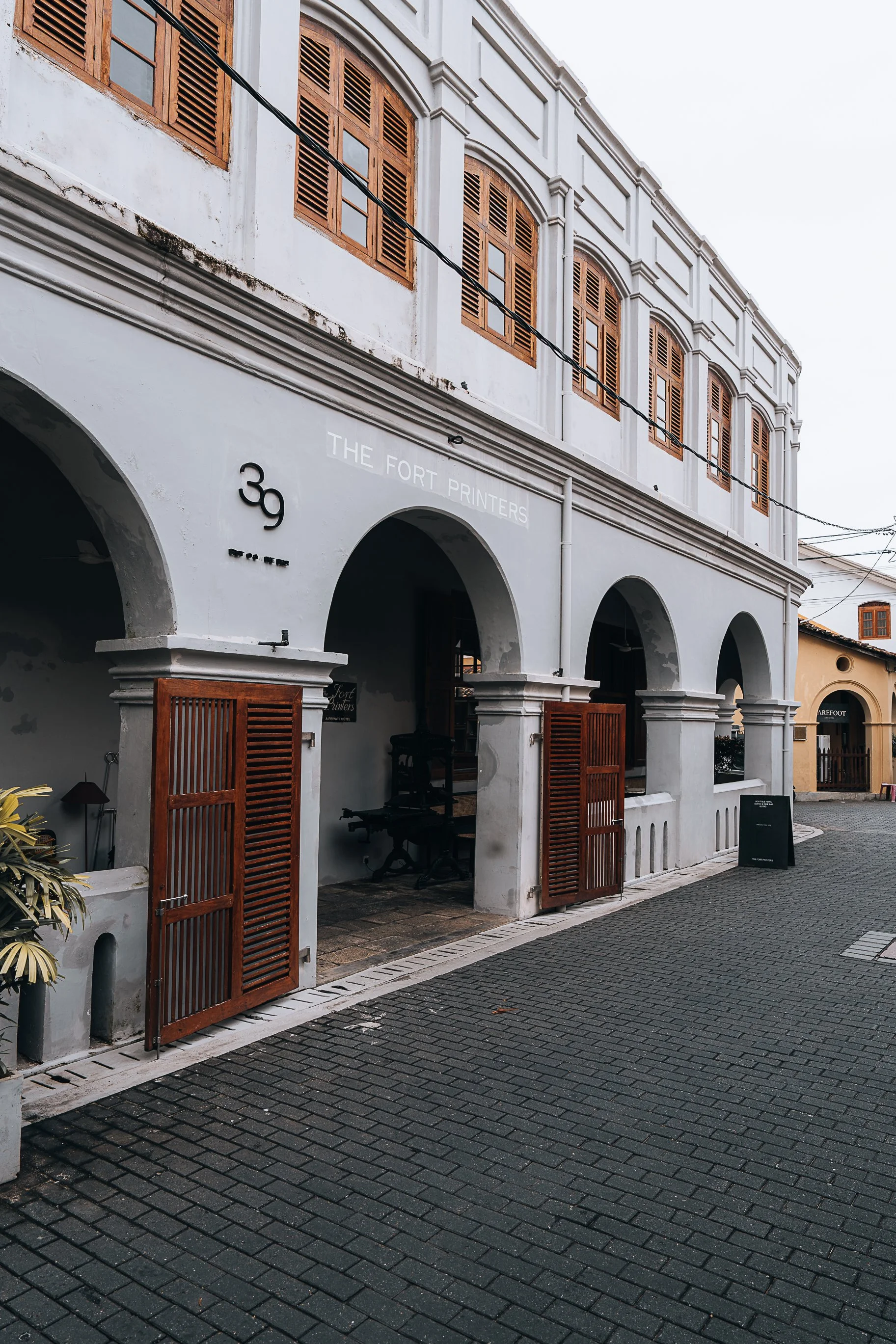
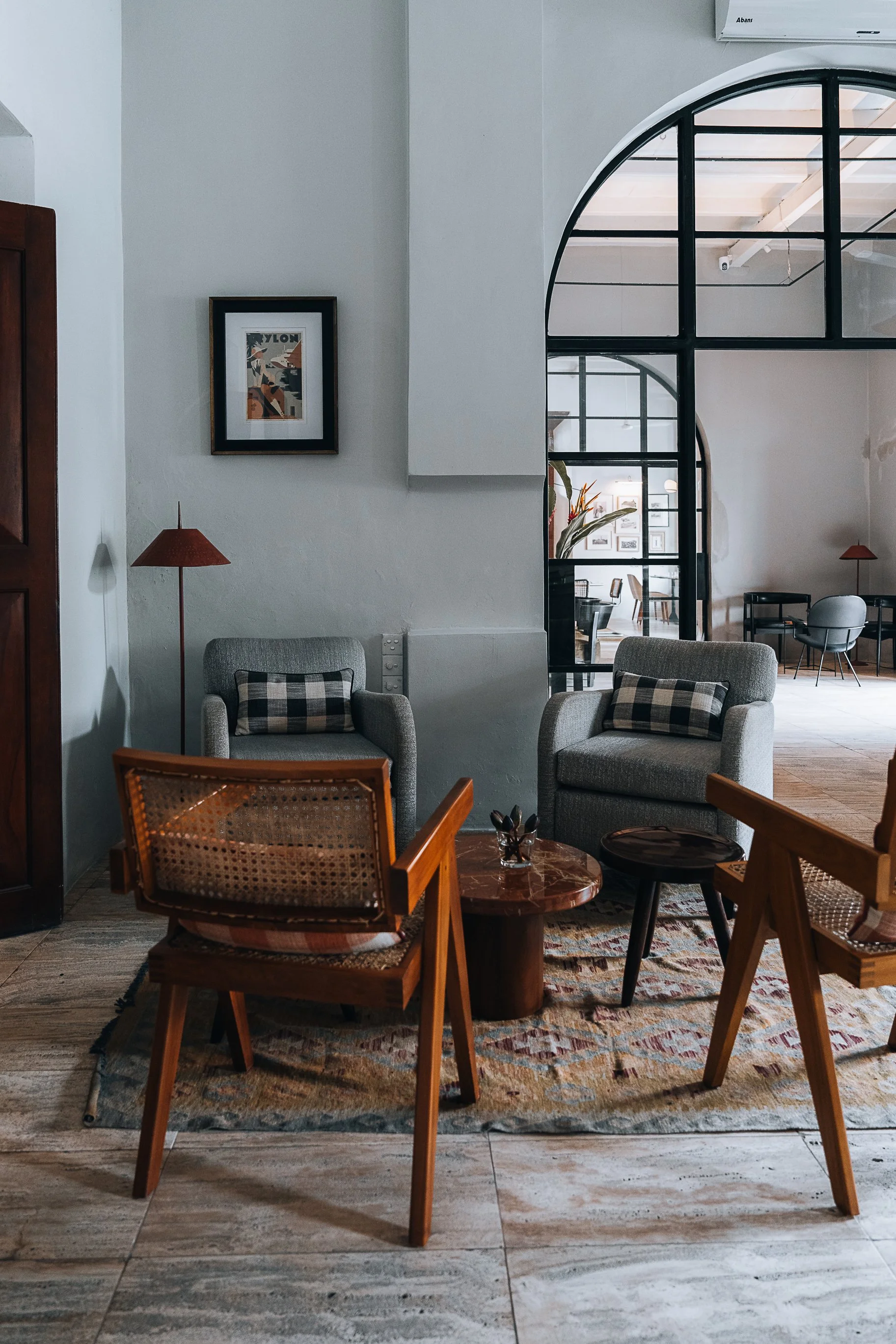
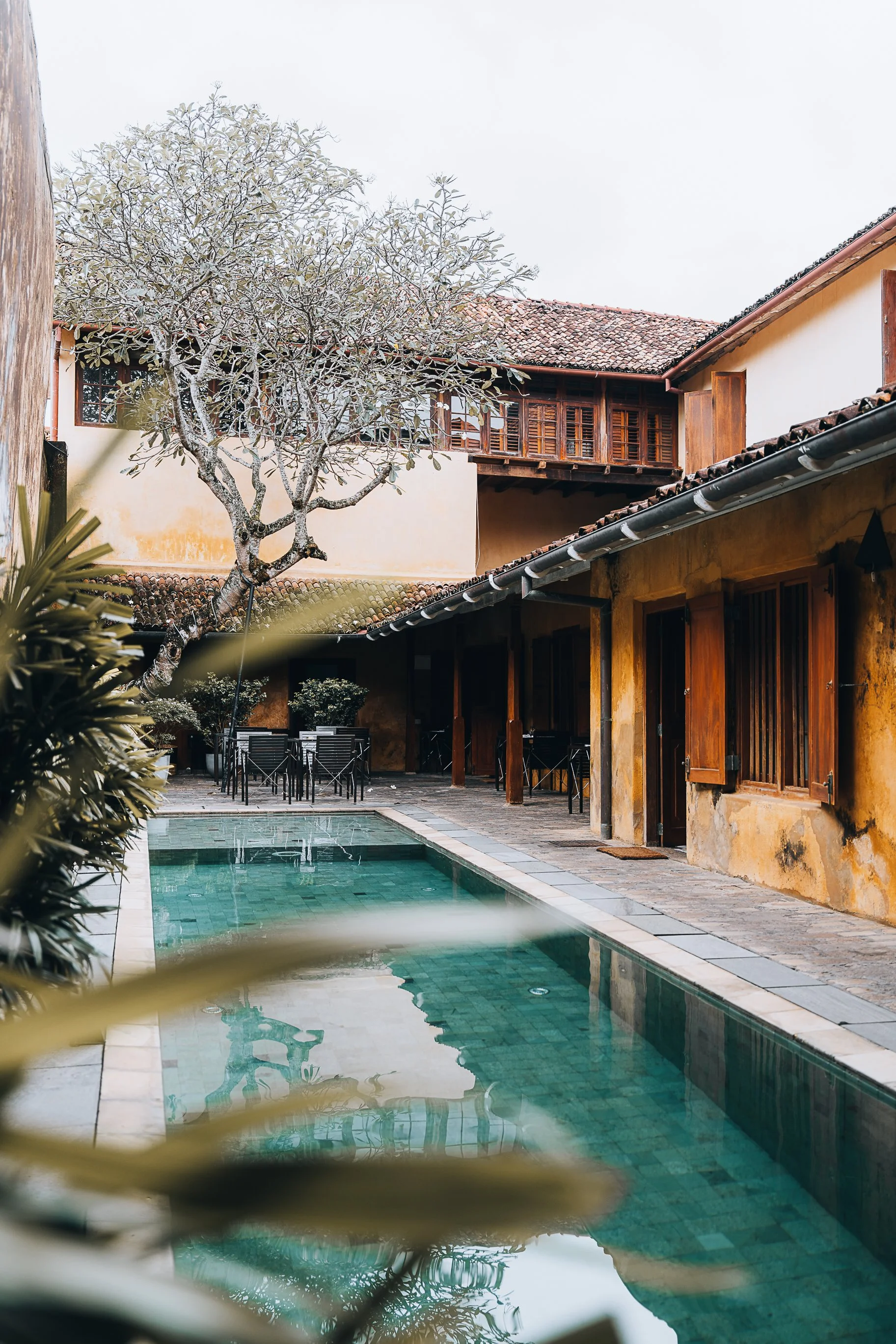
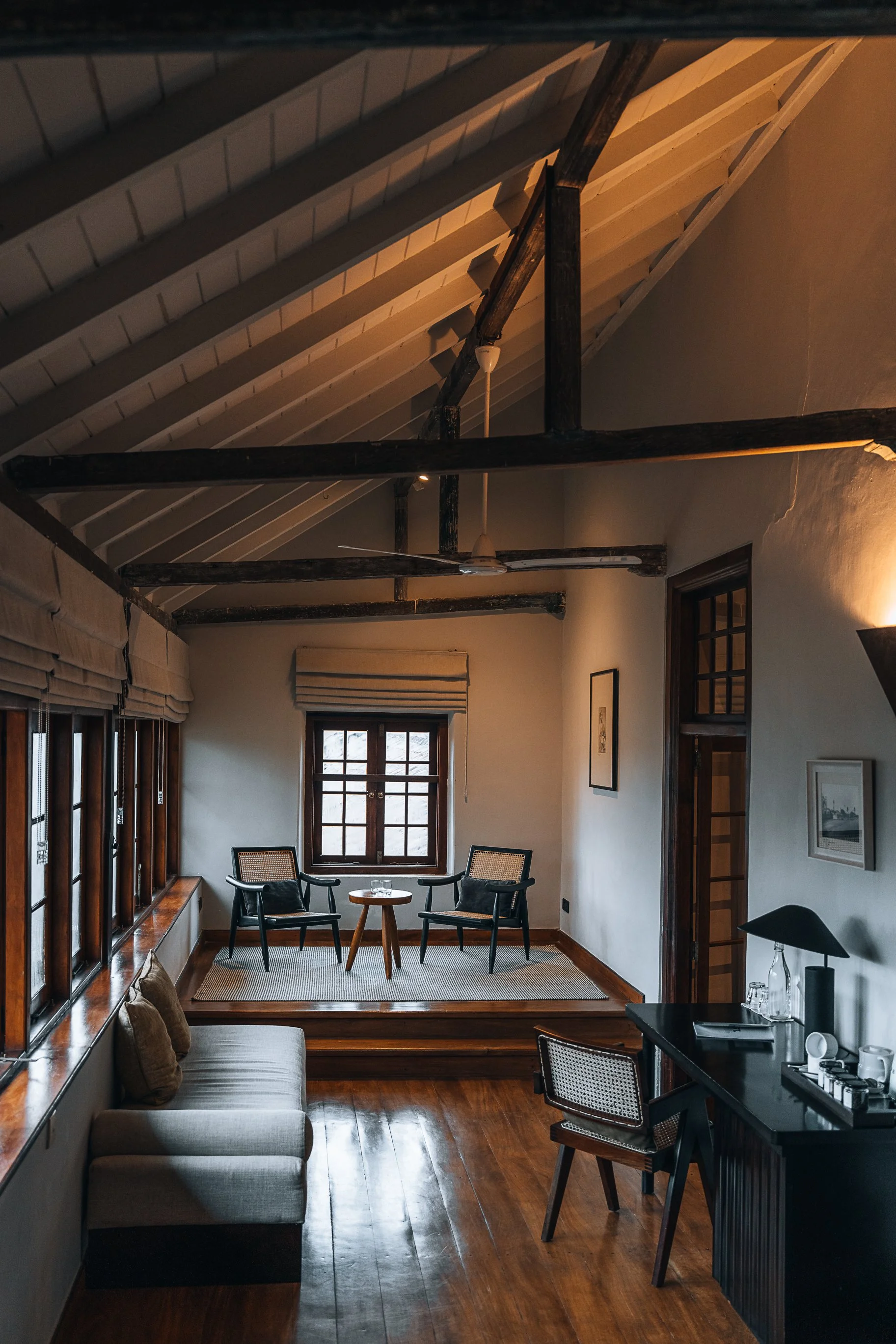
The overall atmosphere at Fort Printers plays on this contrast between heritage and contemporary comfort. The walls, mouldings and certain original structural elements have been preserved and highlighted, while the rooms have been redesigned to offer a warm, bright and elegant atmosphere.
We particularly liked our Headmaster Room: a spacious, generously proportioned room, tastefully decorated, reflecting both the building's historical heritage and a modern sensibility. The space invites relaxation with soft lighting and a very pleasant feeling of intimacy. The location is another asset: just a few steps away from cafés, galleries, lively little squares and the fort's ramparts, everything is within walking distance, in an atmosphere that skilfully blends culture, history and local life.
AquaPizza
On the advice of Paolo from Ellerton Bungalows, we stopped off at AquaPizza, and what a surprise! After ten days of Sri Lankan curries — excellent, but ubiquitous — this dinner was a real change of pace. Housed in a charming colonial-style building, AquaPizza offers refined Italian cuisine, with thin-crust pizzas, generously topped and cooked to perfection. Honestly, it was one of the best pizzas we've had in a long time, served in a relaxed and friendly setting.
→ DODANDUWA [ 2 nights ]
We settle down in Dodanduwa for two nights, with the idea of enjoying the coast, the beach, the swimming pool and a walk to the small fishing port of Dodanduwa Harbour. But very quickly, the weather takes a turn for the worse. The rain falls incessantly, the wind picks up, and any attempt to go out becomes complicated, if not impossible.
It was impossible to enjoy the ocean, let alone linger on the beach or watch the fishermen return. The days dragged on slowly, punctuated by the sound of rain and the wait for a break in the weather that never came.
Where to stay | Where to eat in Dodanduwa
Aditya Resort
We stayed at the Aditya Resort, a small establishment with very few rooms, which guarantees peace and privacy. The rooms are comfortable and spacious. The common areas are large and well maintained, but we missed that cosy feel that we particularly appreciate, especially in unpredictable weather. We were also a little perplexed by the layout of the pool and beach access: everything is there, but without any real flow or particular charm. On the other hand, the welcome is very warm and the restaurant is an excellent surprise, with tasty cuisine, ideal for making up for days spent sheltering from the rain.
A beautiful hotel on paper, pleasant overall, but one that did not entirely convince us in terms of the overall atmosphere.
→ AHUNGALLA POINT [ 1 nuit ]
It was only later, during our transfer to Ahungalla Point, that we really understood what was happening: we were caught in a cyclone, Cyclone Ditwah, which was affecting the whole country. This was an unusual situation for us, but it was handled very calmly on the ground. We were safe, but clearly restricted in our movements and in the rest of our journey.
In these unusual circumstances, we also tried to get news of the people we had met throughout our trip. Lalinda, ever present and reassuring, kept us informed of the situation. He confirmed that, despite blocked roads and severe weather, everyone seemed to be safe and sound, which was a real relief, but we felt a certain frustration at not being able to help in any way.
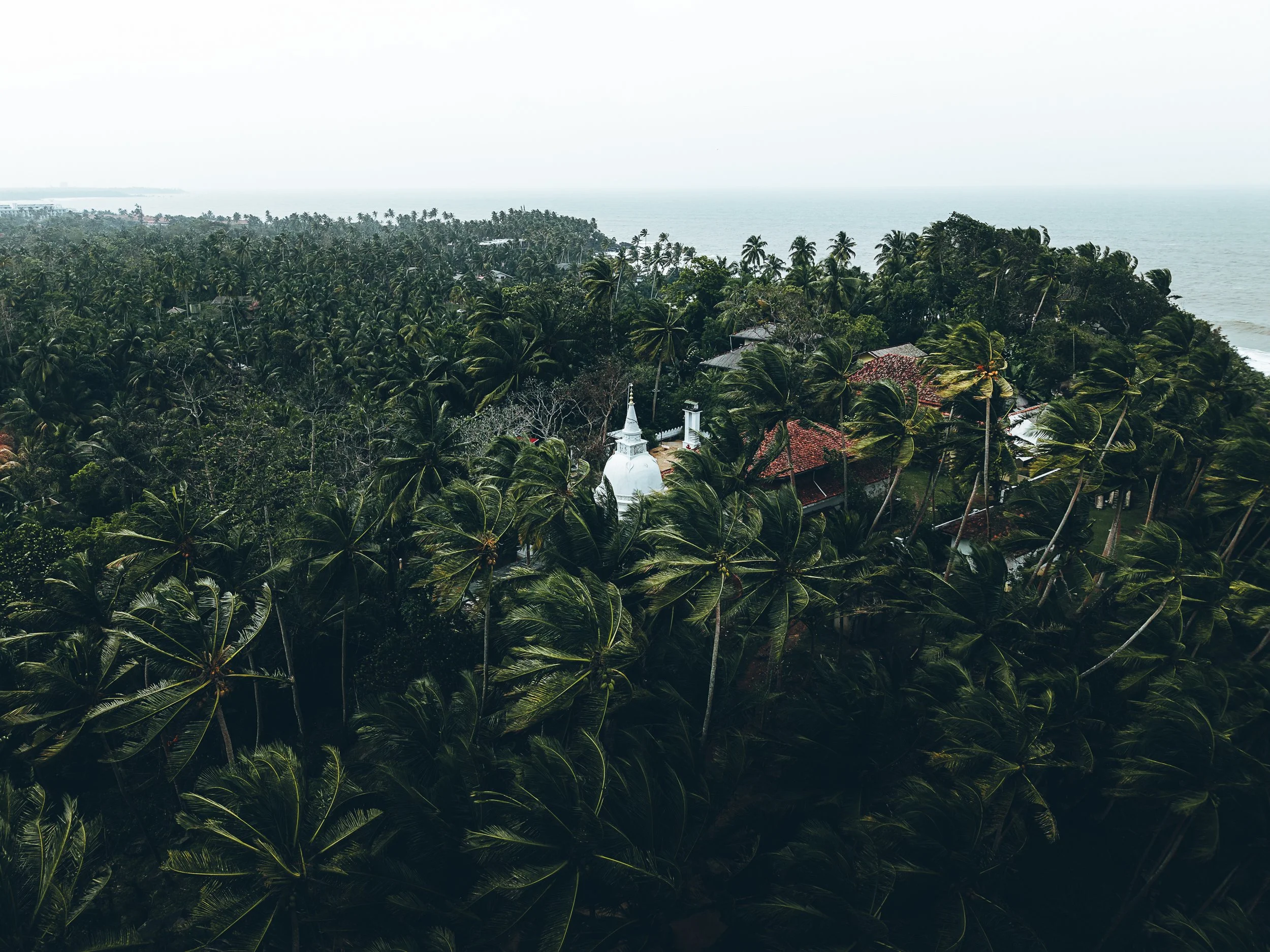
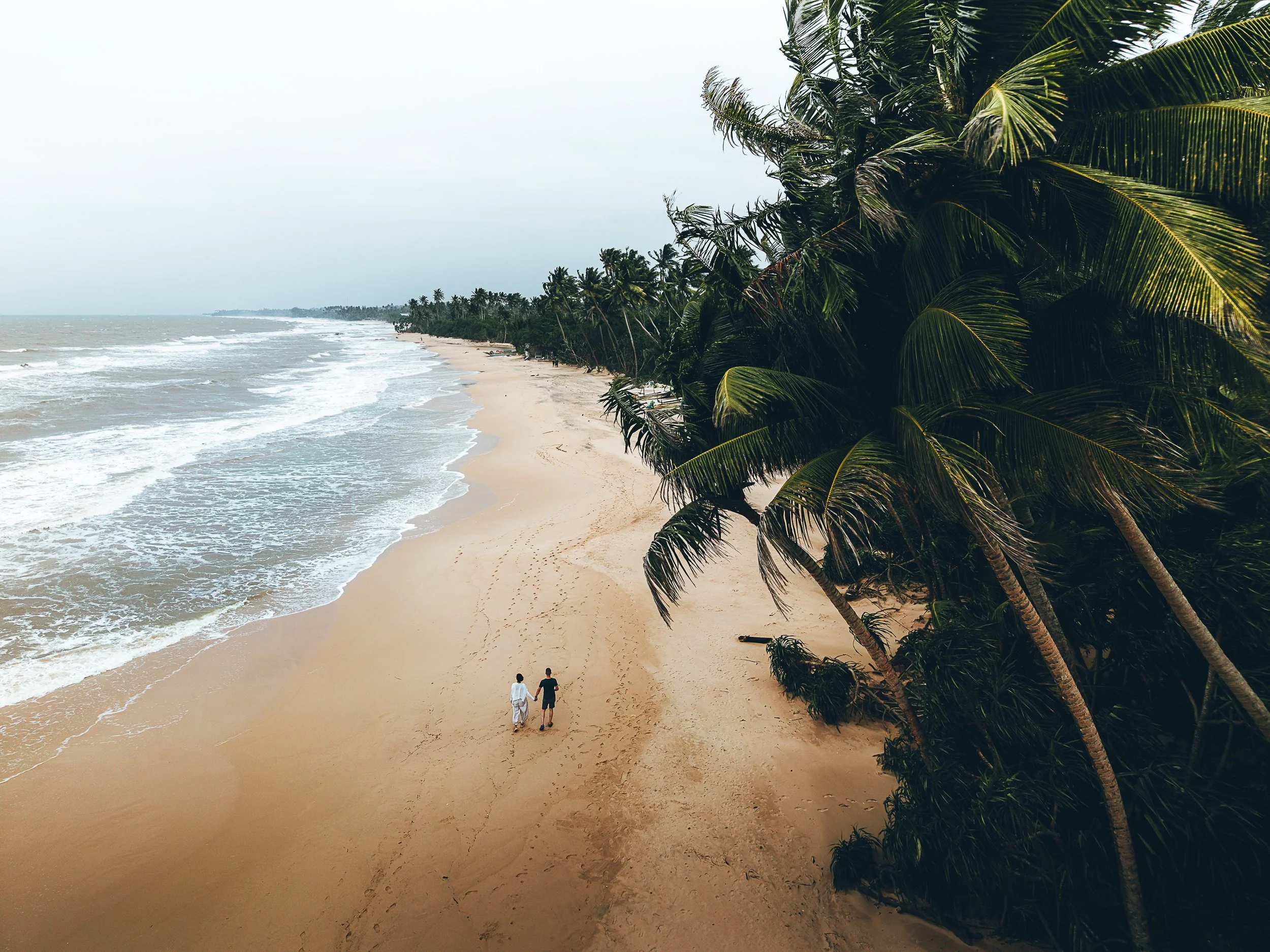
Despite the difficult conditions, we still manage to brave the wind to discover the Samudhraramya Temple and Galbokka Beach, lashed by a raging sea. These are places that we imagine to be magnificent, but the weather will never allow us to truly appreciate them.

Where to stay | Where to eat in Ahungalla Point
Ahu Bay
We spent a night at Ahu Bay, a recent and very promising addition to the Resplendent Ceylon group. The place is pretty, intimate and cosy, perfectly integrated into its surroundings, with a contemporary and elegant atmosphere.
The storm prevented us from fully enjoying our hotel in Ahungalla Point, despite its ideal location, intimate beach and setting that promised peace and relaxation. It left us with a real sense of unfinished business, as the potential of the place seemed so obvious... but nature had other ideas.
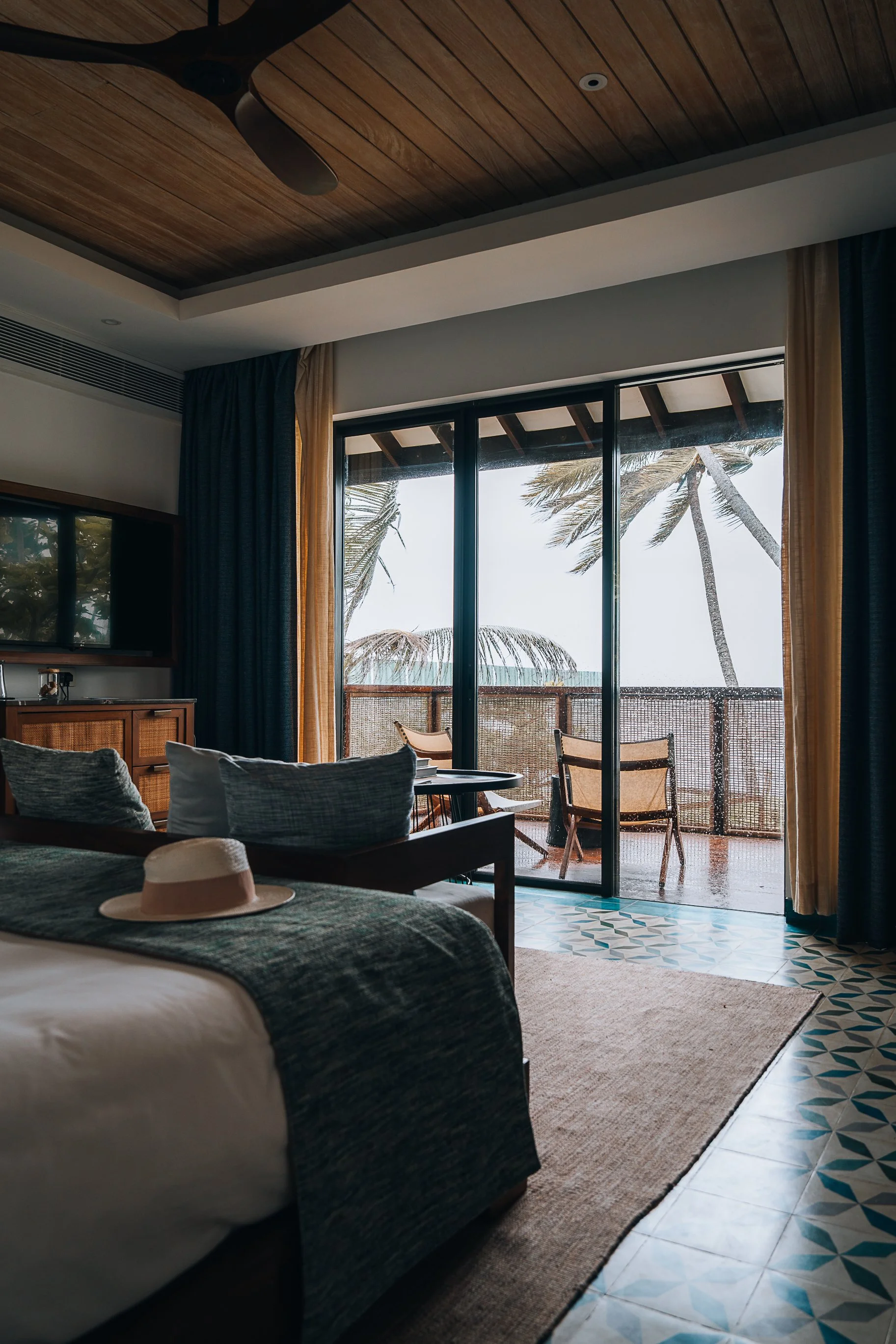
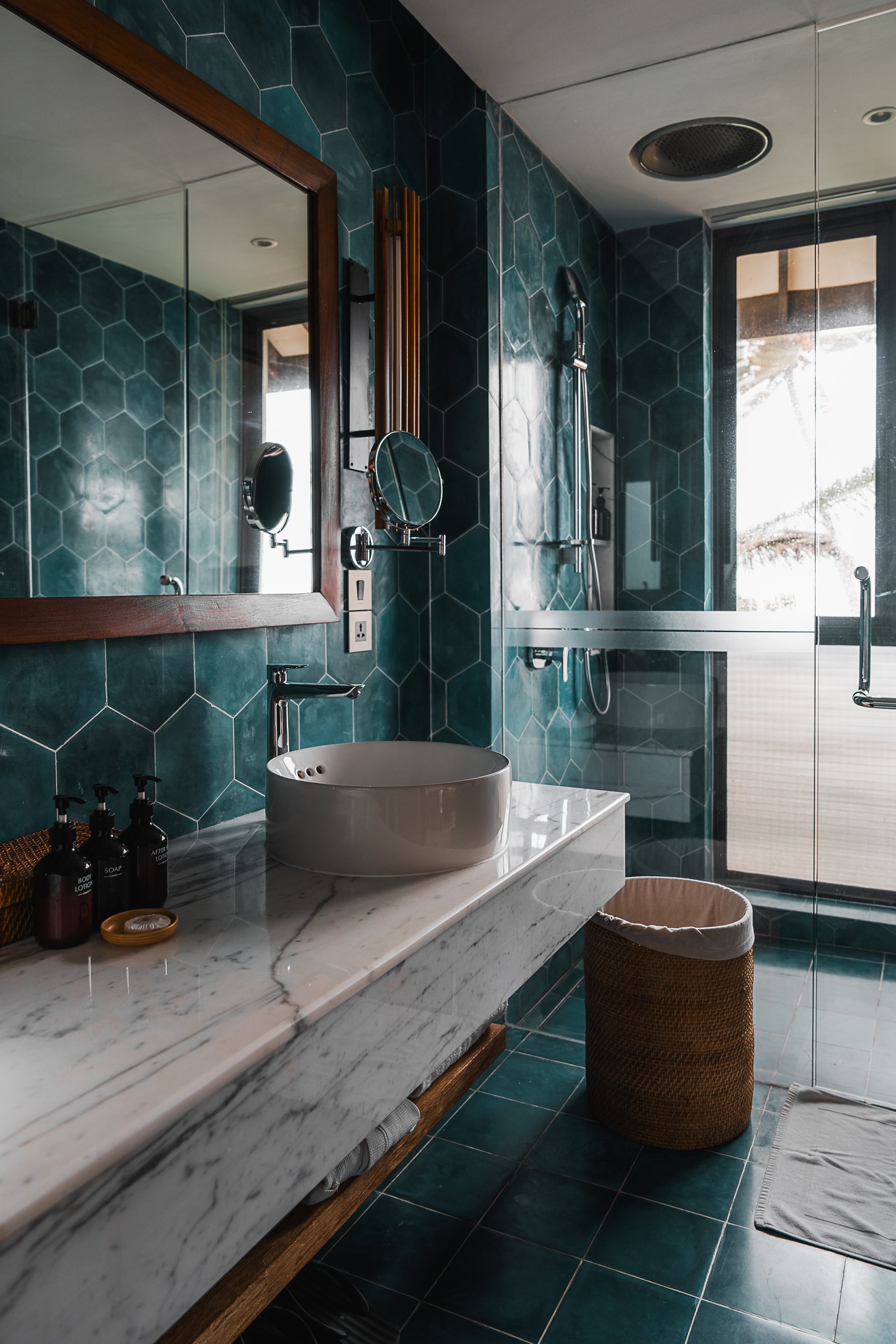
One small downside to note, however: there is a construction site right next to the hotel. It is difficult to know at this stage how big the project is, but it could be a future complex. Keep an eye on this, as depending on how the work progresses, it could temporarily impact the peace and quiet of the place.
Nevertheless, it remains a very beautiful location, which we would clearly have enjoyed differently in milder weather.
→ COLOMBO [ 1 night ]
Our last night should have echoed the first, with a return to Ambarella Lodge to gently bring things full circle. But the weather had other ideas. Due to flooding around the airport, Let's Travel decided to change our plans and put us up in Colombo, to ensure we could get to the airport and avoid any risk of being stuck on the road before our flight the next day.
It was with a heavy heart that we accepted this change. We knew we were safe, and above all lucky not to be stranded on the island, but we were looking forward to returning to the haven of peace that had marked the beginning of our trip, before returning to Switzerland.
After so many days spent in the heart of nature, Colombo left us with more mixed feelings. The transition was brutal. We still go for a walk in the Fort district and around the Dutch Hospital, remnants of the colonial past that have now been restored, but without any real enthusiasm. Our minds are already elsewhere, between fatigue, heavy weather and the feeling that this extraordinary journey is ending a little too quickly, and not quite as we had imagined.
Where to stay in Colombo
Shangri-La Colombo
We spend our last night at the Shangri-La Colombo, a high-end establishment that contrasts sharply with the more intimate accommodations we discovered throughout our trip. The hotel is undeniably beautiful: spacious and comfortable rooms, unobstructed views of the city and the ocean, and an impressive breakfast buffet that is as vast as it is varied.
However, after days spent in the heart of Sri Lankan nature, we feel a little out of place. Being here, in the middle of the city, surrounded by Christmas decorations on this first Sunday of Advent, leaves us with a strange, almost unreal feeling. It's a comfortable and reassuring end to our trip, certainly, but far from the atmosphere that had touched us so much during our two weeks on the island.


Our Trip in Pix tips 🤍
Take your time. Distances may seem short on the map, but journeys are often long. It's better to have fewer stops and more time at each place.
Trust the locals. Drivers, hoteliers, guides: their knowledge of the area is invaluable, especially in unpredictable weather.
Adapt to the pace of the country. Sri Lanka is not a place to visit at a fast pace. Letting go is part of the journey.
Try everything. Sri Lankan cuisine is a real journey in itself. Even the simplest dishes are often memorable.
Anticipate the weather, without obsessing over it. Nature is unpredictable, especially in the tropics. Even when plans change, the experience remains powerful.
Respect the places and traditions. Appropriate attire in temples, discretion, a smile: these are always welcome.
Get up early. The most beautiful light, animals and tranquillity can be enjoyed at dawn.
Take the time to look. A glance, a gesture, a scene from everyday life... Sri Lanka also reveals itself in small moments.
We would like to extend our warmest thanks to Virginie, our freelance travel agent at TUI, for her availability and valuable advice throughout the planning process.
A big thank you also to Let’s Travel for the perfect organisation on site: discovering intimate addresses and places, far from the mass tourist circuits, and above all for managing the situation of Cyclone Ditwah with calm and professionalism, ensuring our safety and peace of mind throughout.
Next time, we would like to take this slow and authentic approach even further, focusing on the centre of the island and really taking the time to experience the places rather than just passing through them. We would like to return to Ellerton, to Paolo's, to continue our conversations, enjoy quiet evenings and soak up the unique atmosphere that made such an impression on us.
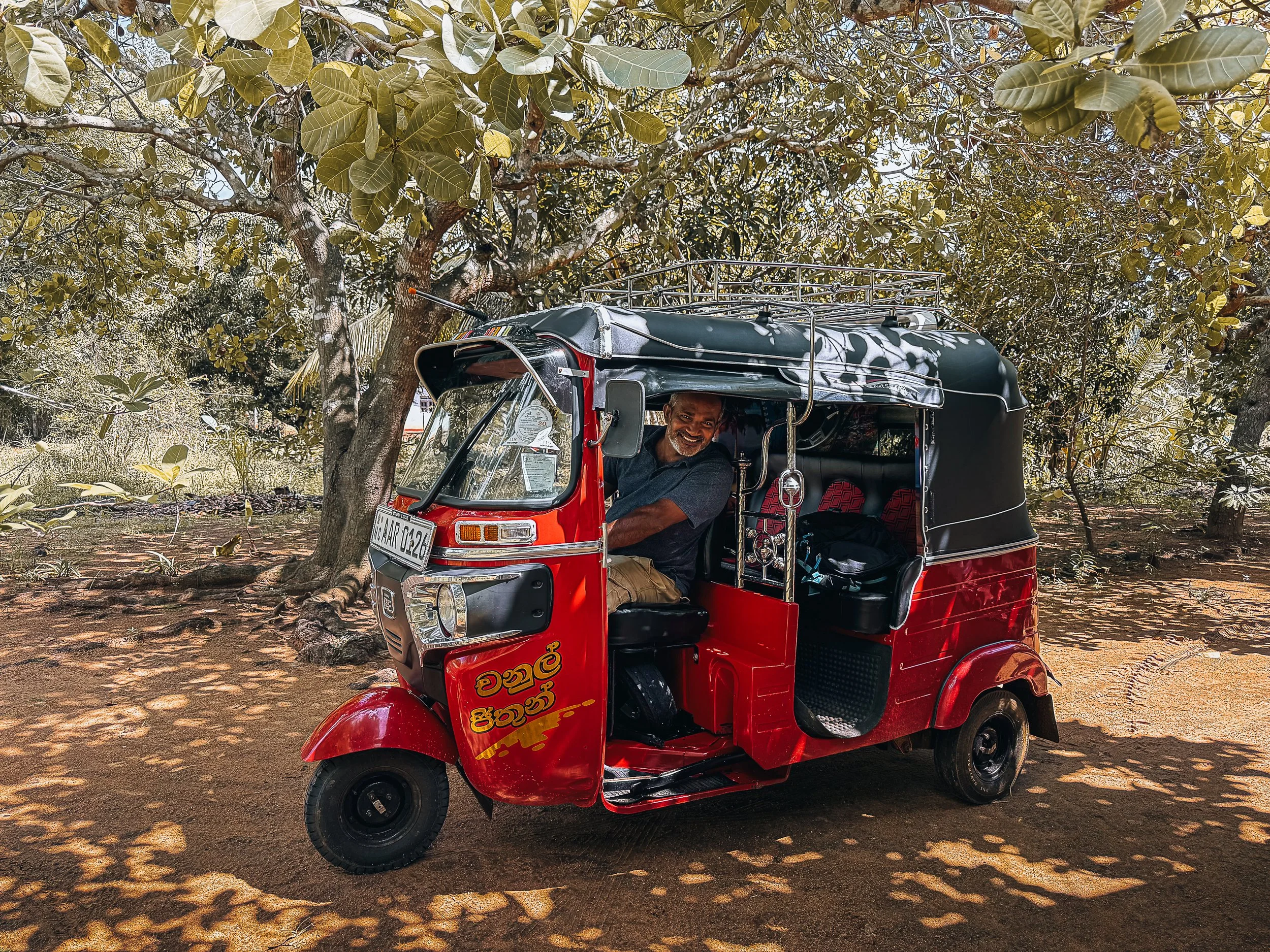
We are already imagining this future trip differently: doing everything by tuk-tuk, with Lalinda as our guide and travelling companion, our luggage in his tuk-tuk, us settled in another... and why not some friends in a third, forming a small, cheerful caravan through plantations, villages and mountain roads. A simpler way to travel, closer to local daily life, and more lively too. On our wish list, we would like to explore Wilpattu in search of leopards, finally discover Ella and enjoy this beautiful mountainous region. So no, this is probably not goodbye to Sri Lanka, but rather see you soon. And if this future itinerary takes shape one day, there is no doubt that it will be planned, once again, hand in hand with Let's Travel.
The articles and photos we publish in this blog belong to us, unless otherwise stated, so please be fair and do not use them without contacting us first...